 F4LUFTBILDER
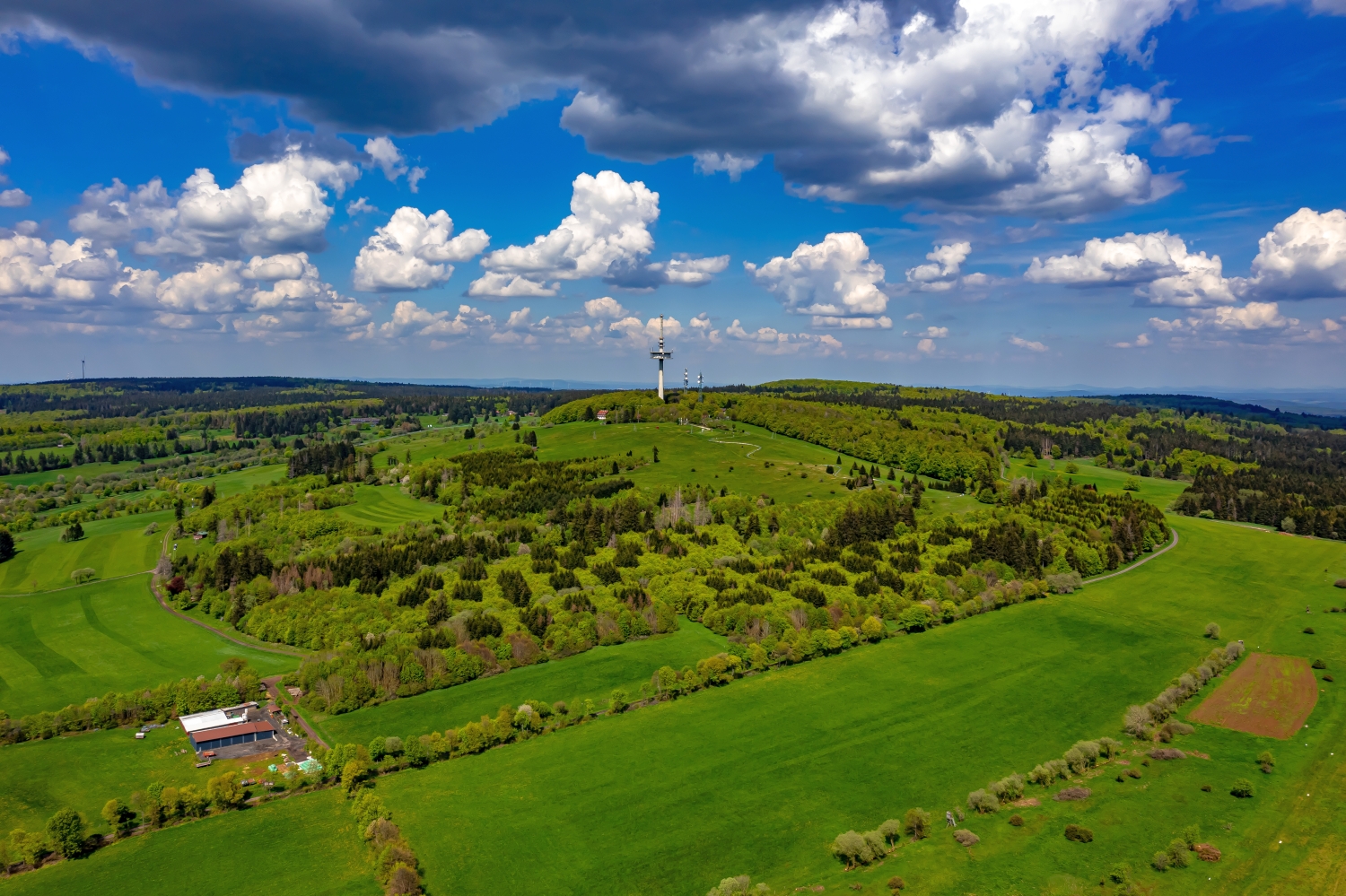
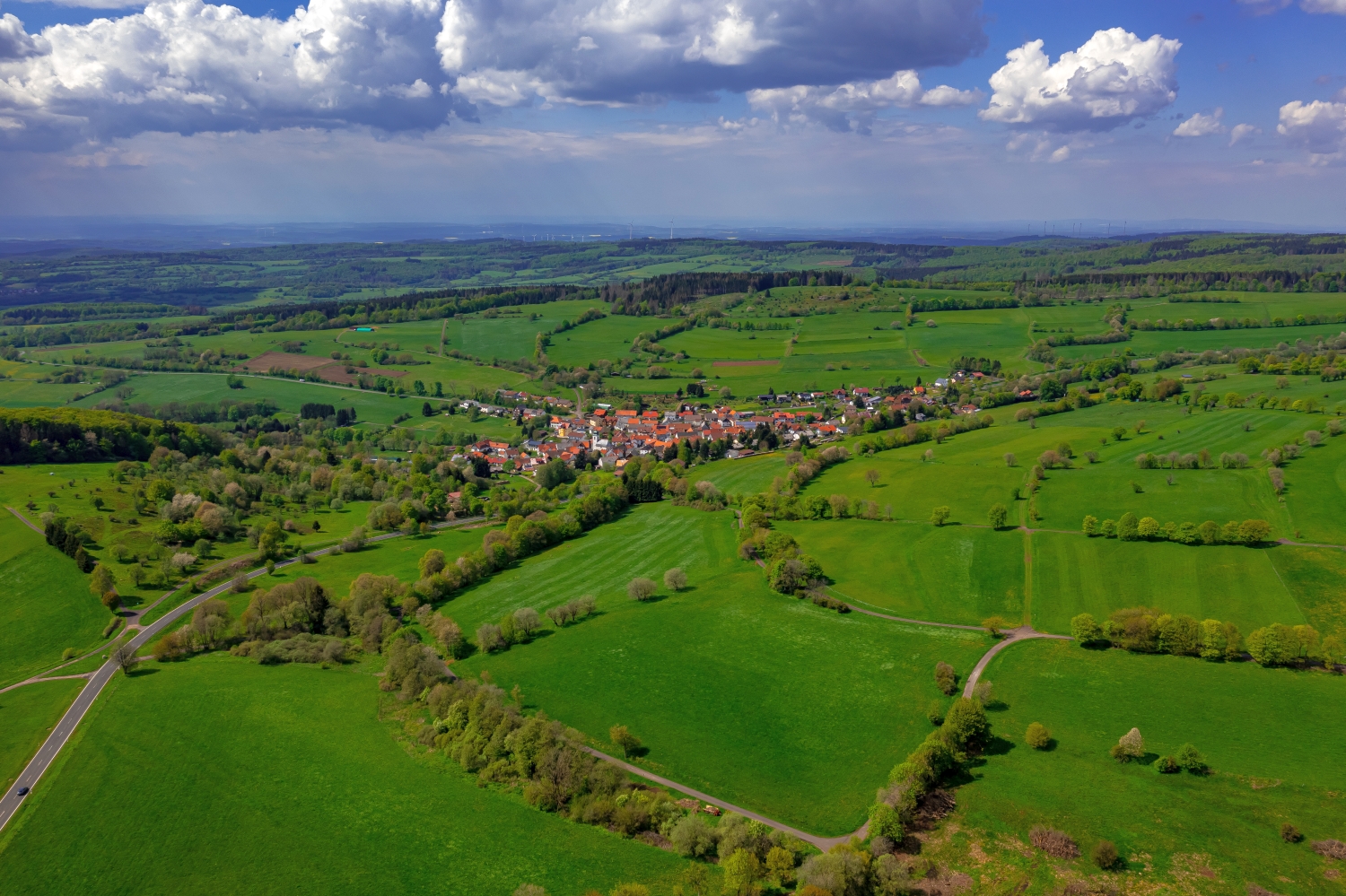
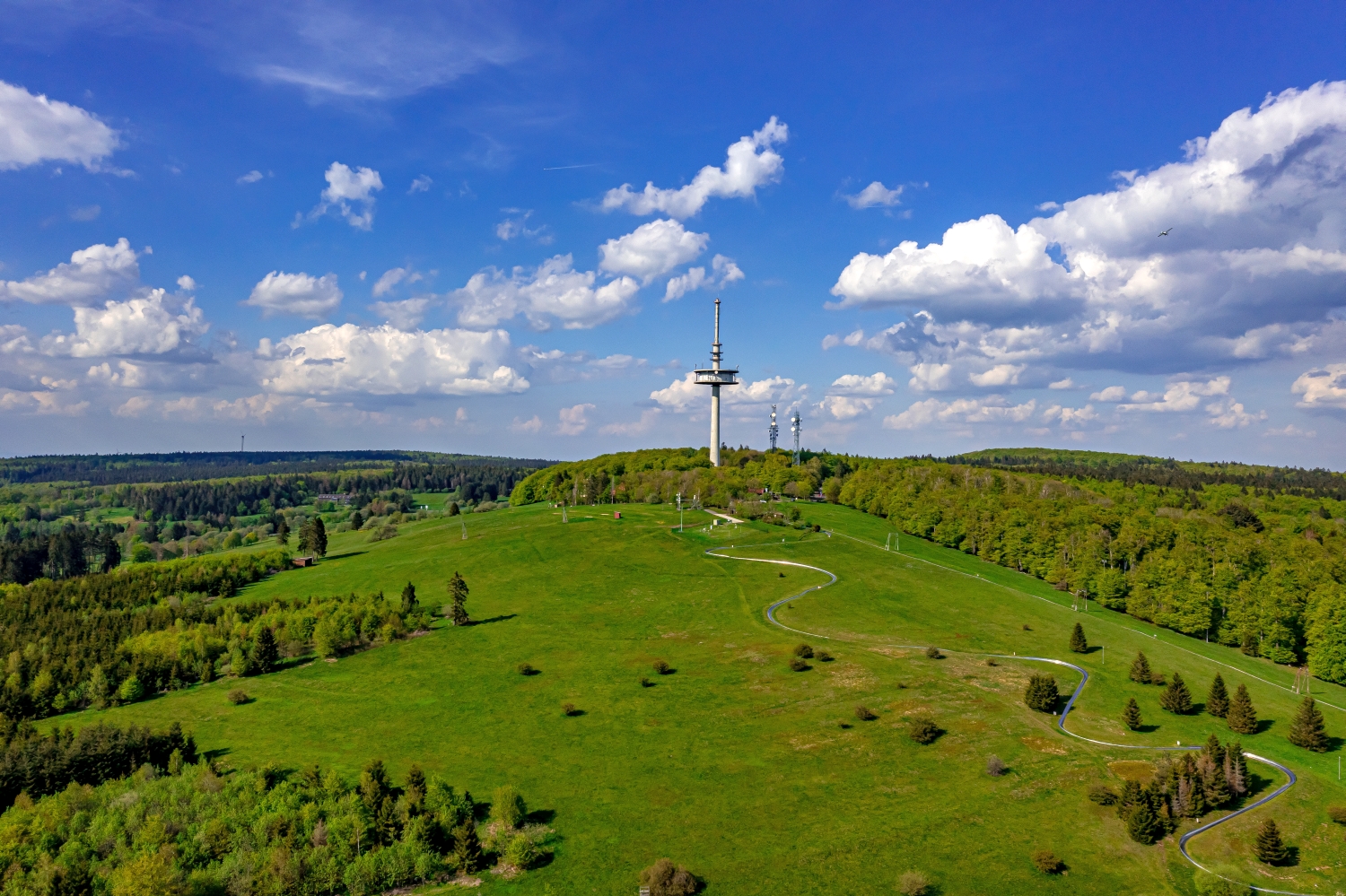
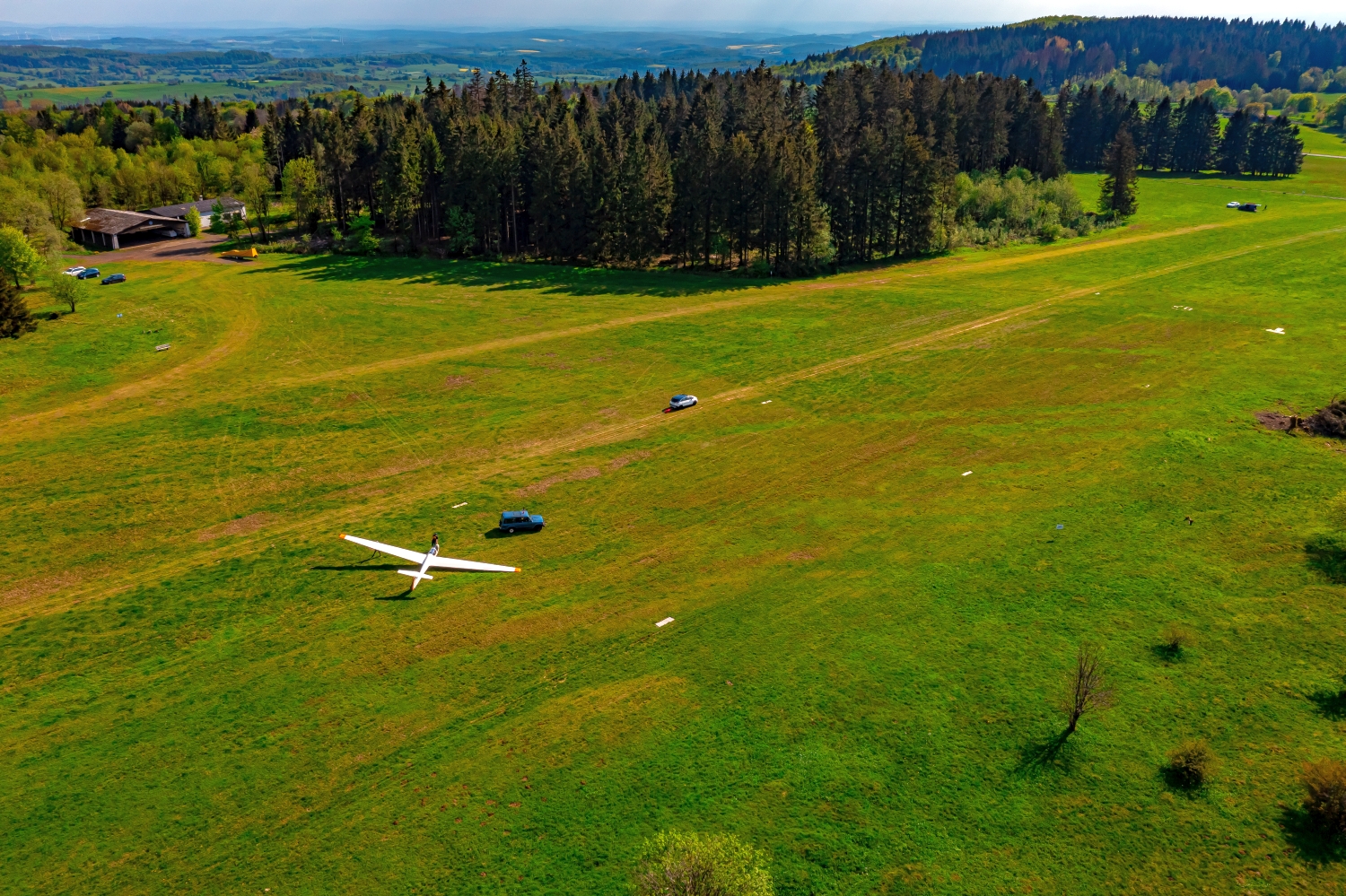
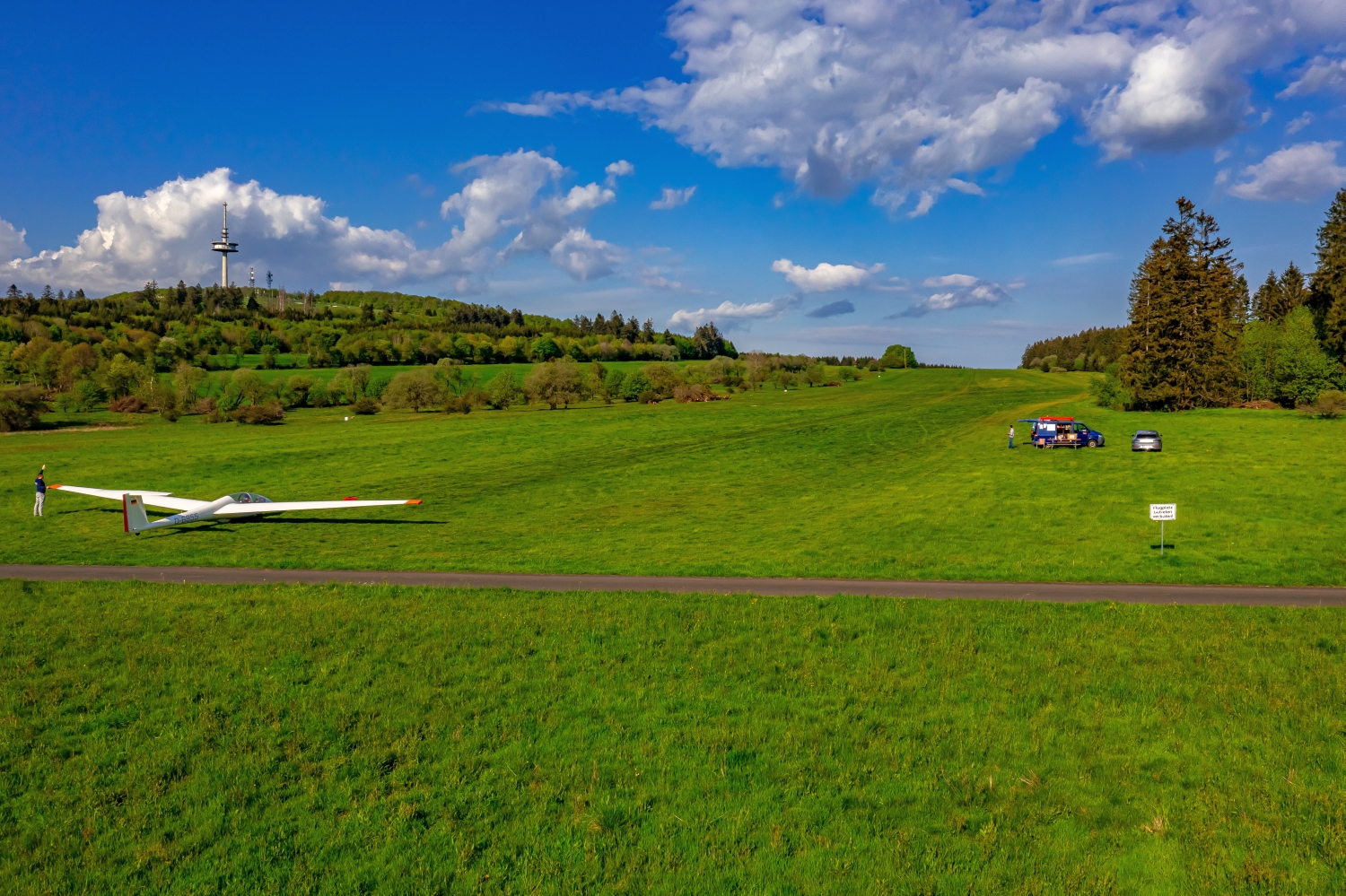
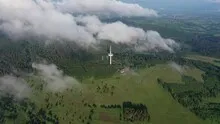
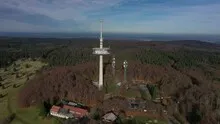
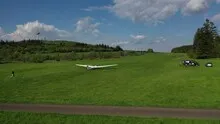
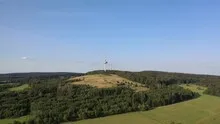
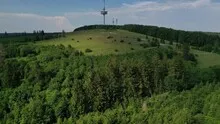
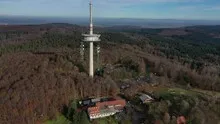
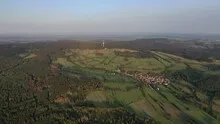
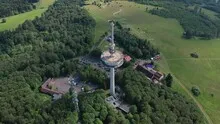

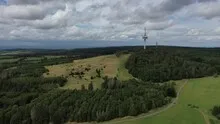
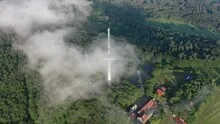
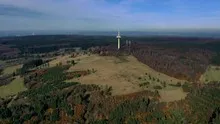
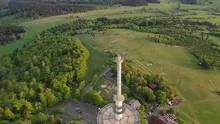
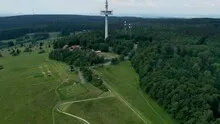
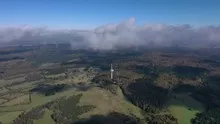
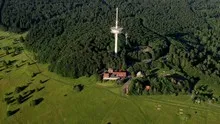
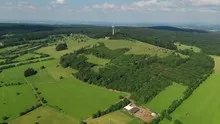
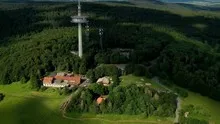
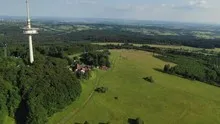
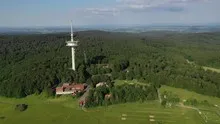
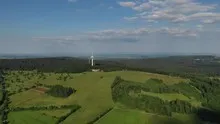
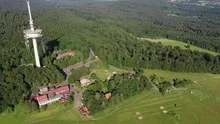
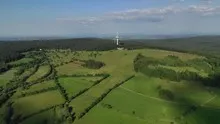
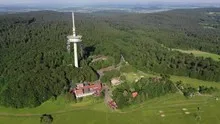
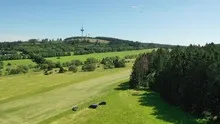
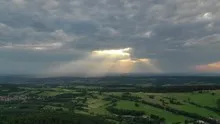
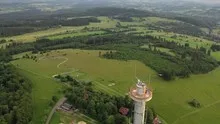
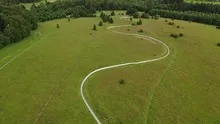
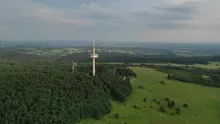
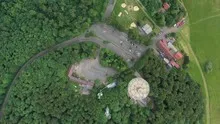

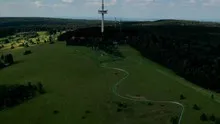
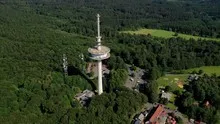
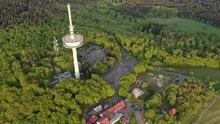
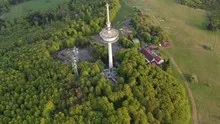
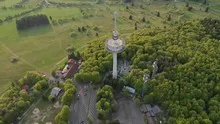
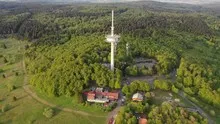
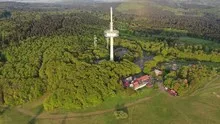
Meadows and forest edges on the Hoherodskopf
On the Hoherodskopf in the Vogelsberg, the open meadow area dominates the foreground. Behind them lie dark forest edges and long heights. In some shots, a bright glider attracts the eye and gives the otherwise largely scaleless landscape a tangible size.
Open areas above the Vogelsberg
A gliding motif from the Hoherodskopf connects the open areas with a specific use. The same meadow becomes a landscape when the view extends over its edge to the Vogelsberg heights. Both together create a more accurate portrait than a series of almost identical long-distance views.
The silhouette of a mountain range is a good way to start looking. First you notice the highest point, then the succession of saddles and flatter sections. In an oblique shot, this profile connects with the shapes in the foreground. A steeper perspective takes more interest in the surface of the slope. A direct comparison makes it understandable why a location can change significantly when the viewing angle changes, even though the recognizable heights in the background remain the same.
Preserve open land in the picture
A meadow may look almost empty in a small preview. The larger view shows paths, individual shadows or transitions to neighboring properties. As a foreground, it creates distance before the view reaches the houses or the next slope. This distance is often an important part of the composition in landscape photos. If it is pruned too much, the development will appear denser. A deliberately wider section, on the other hand, shows what space the open land actually takes up.
The distance in the composition of the image
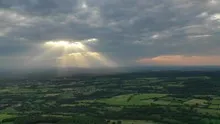
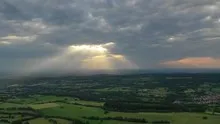
The position of the horizon determines how much space the landscape receives. If it is high in the image, more details can be seen on the ground. A lower horizon gives greater weight to the sky and weather. Both options can accurately describe a place if the connection to the main motif remains recognizable. When comparing two aerial photos, it is worth taking a look at the foreground. Often it is an inconspicuous piece of land at the bottom edge of the picture that conveys a sense of the vastness.
The distribution of blue tones
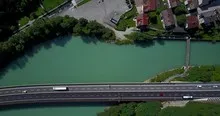
If you browse through the 5 aerial photos, you can stay at shot 4 and shot 3 for a comparison. In the first excerpt, shades of blue play a smaller role. In the second shot, blue areas take up more space. Blue can extend over a large contiguous area or only appear in individual parts. What also counts for the effect is whether these areas extend to the edge of the picture or surround the main subject.
For Shot 1 and Shot 5, the same day is noted in the image files, May 13, 2023. The recording times recorded are approximately 145 minutes apart. The exposure time was 1/400 second for the first of the images mentioned and 1/800 second for the second.
The Aerial Videos section supplements the photos with 44 clips. The aerial photographer's photographs linked there include “Hoherodskopf in Vogelsberg from the air”. The relevant video page on Adobe Stock can be opened using the respective preview.
Select landforms for a landscape portrait
A single contour line can shape the impression of a landscape and yet reveal little about its extent. For a printed panorama, it is worth looking at the widest view first and then at a section of the same area. In a small format, a foreground with a clear contour can become more important than the most distant peak. If you plan a new view with an aerial photographer, you can make this decision based on the intended page layout and clarify in advance which part of the landscape definitely belongs in the picture.
Related motifs in the aerial photo archive
If you are looking for related motifs, you can start with Birstein. In Birstein, the castle is an easy-to-find point above its surroundings. It's worth taking a second look at Asmushausen. The houses in Asmushausen are spread out in small groups between meadows and slopes.