 F4LUFTBILDER
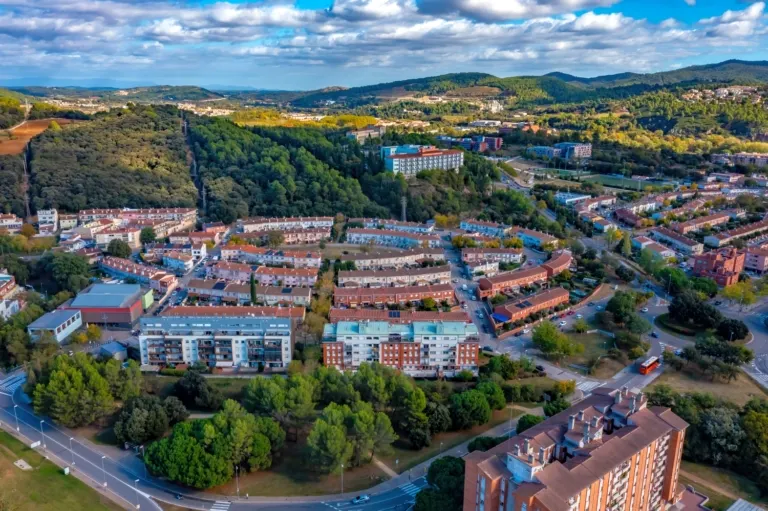
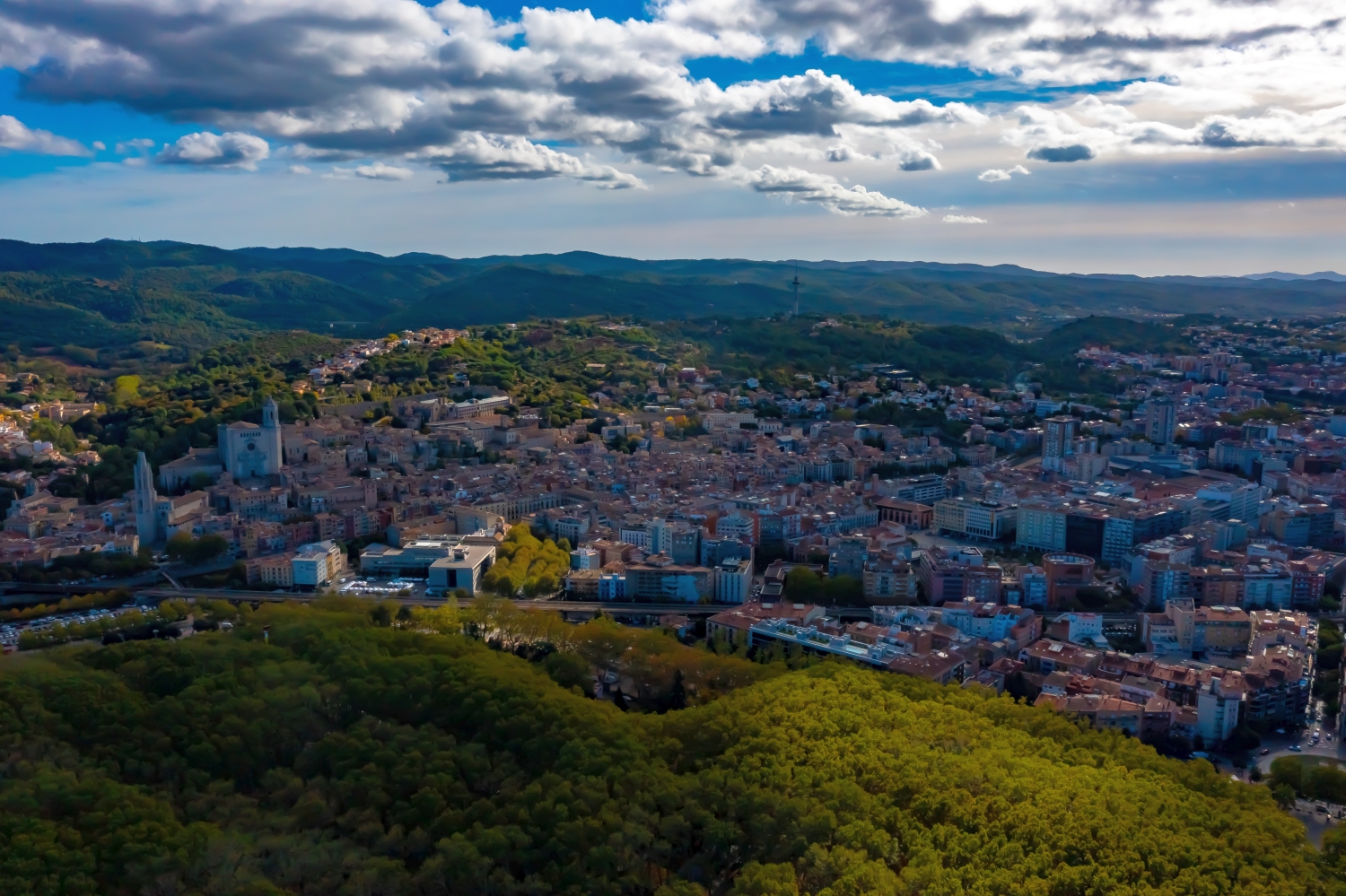
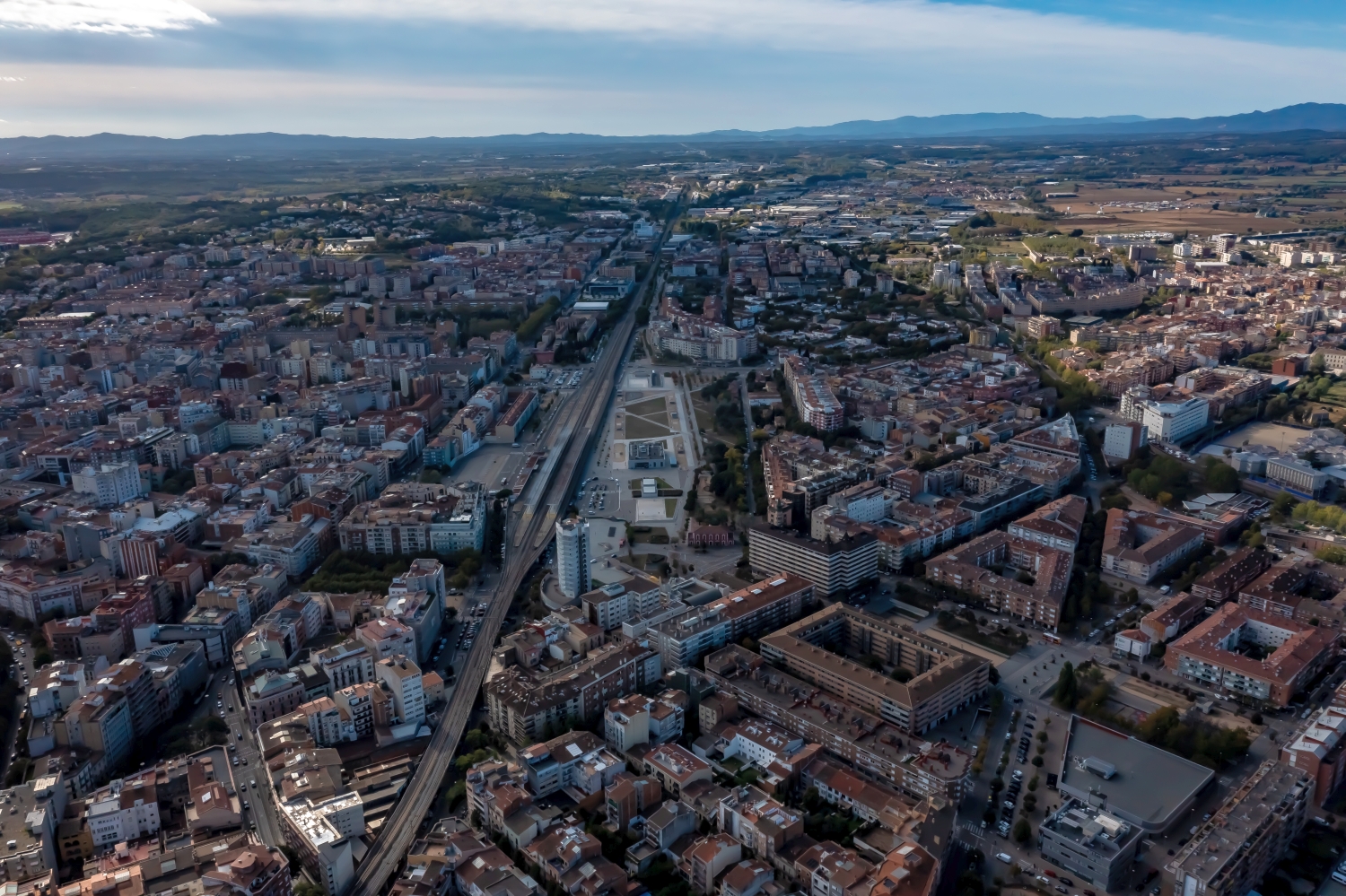
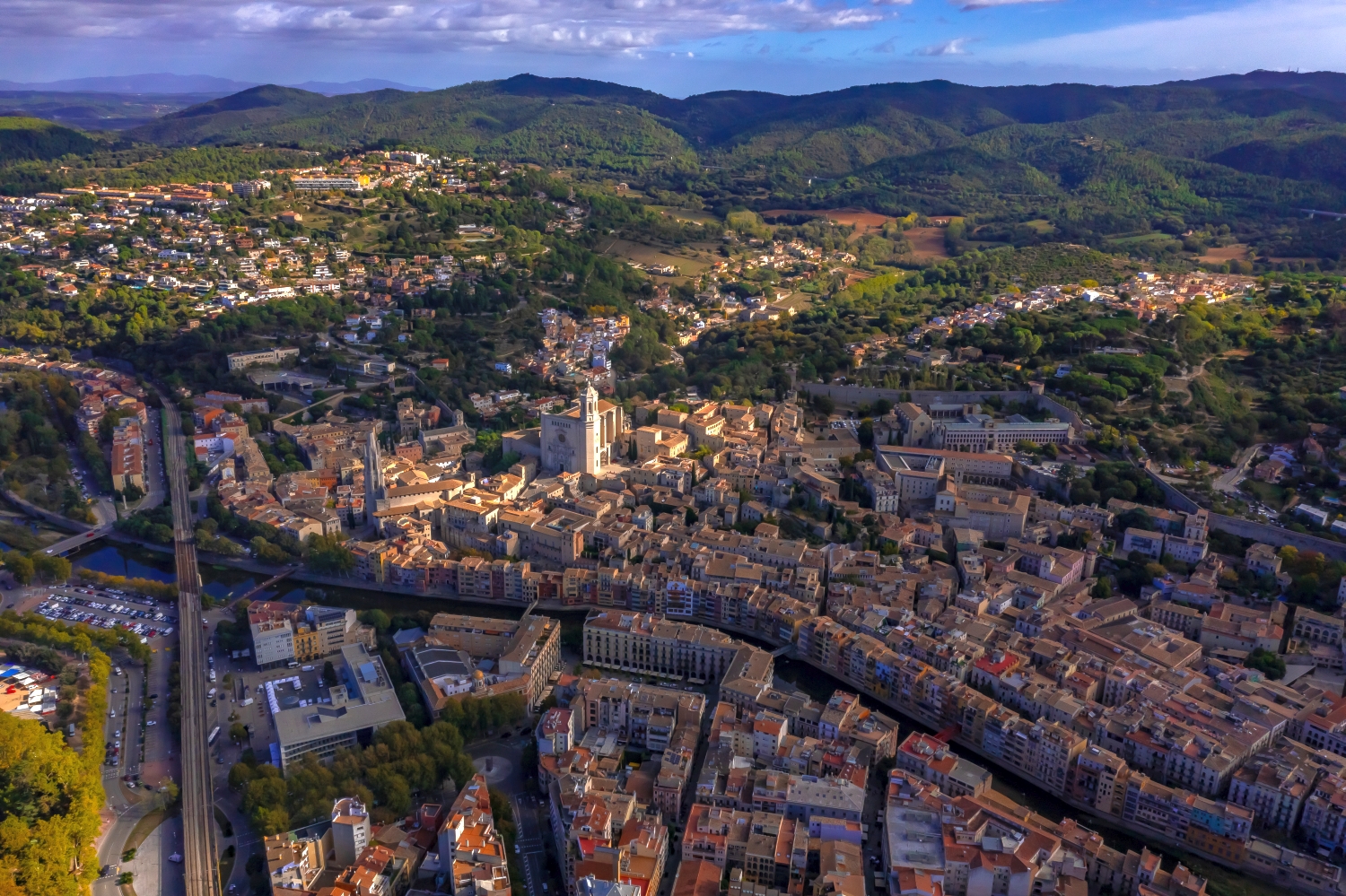
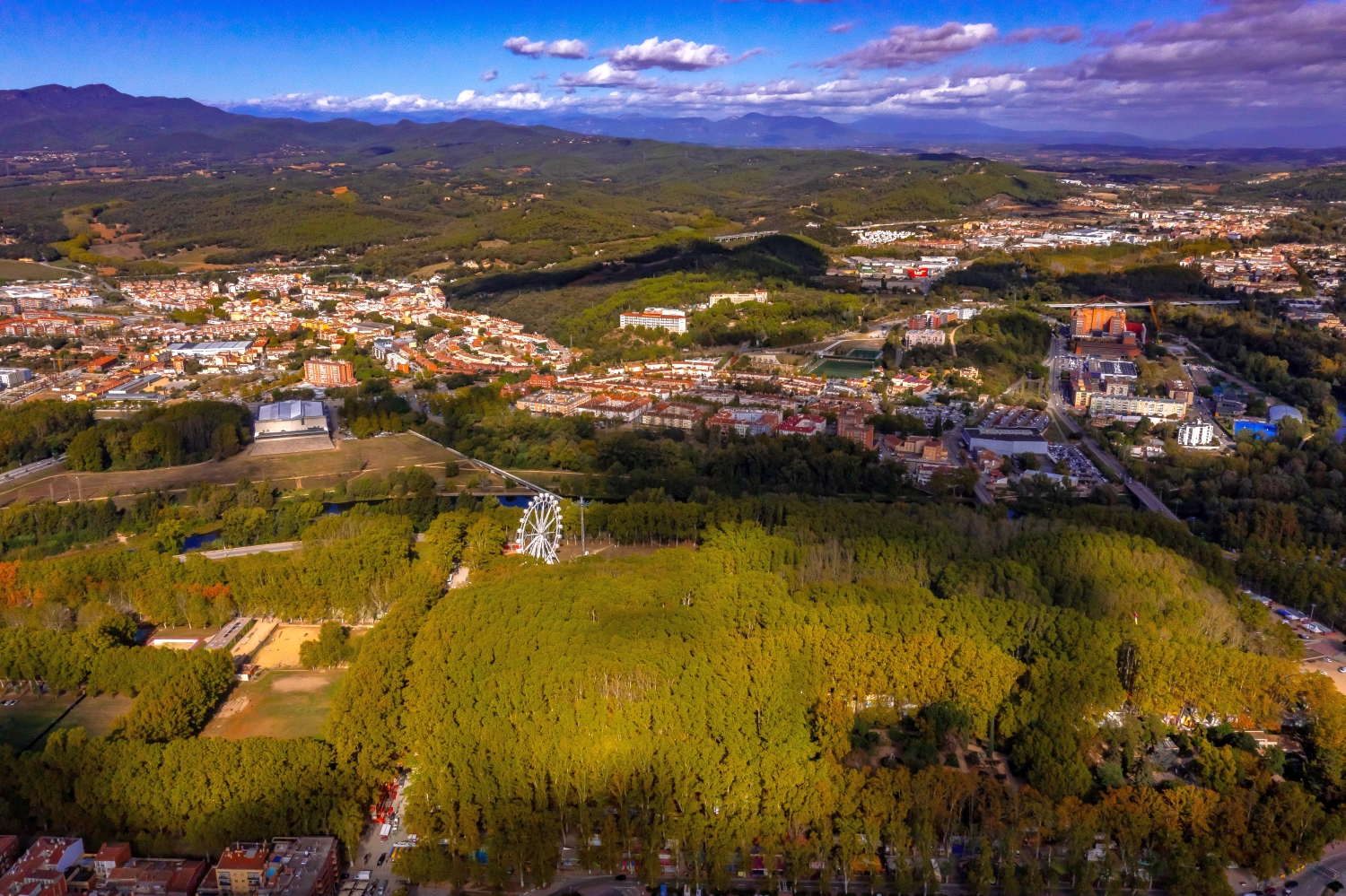
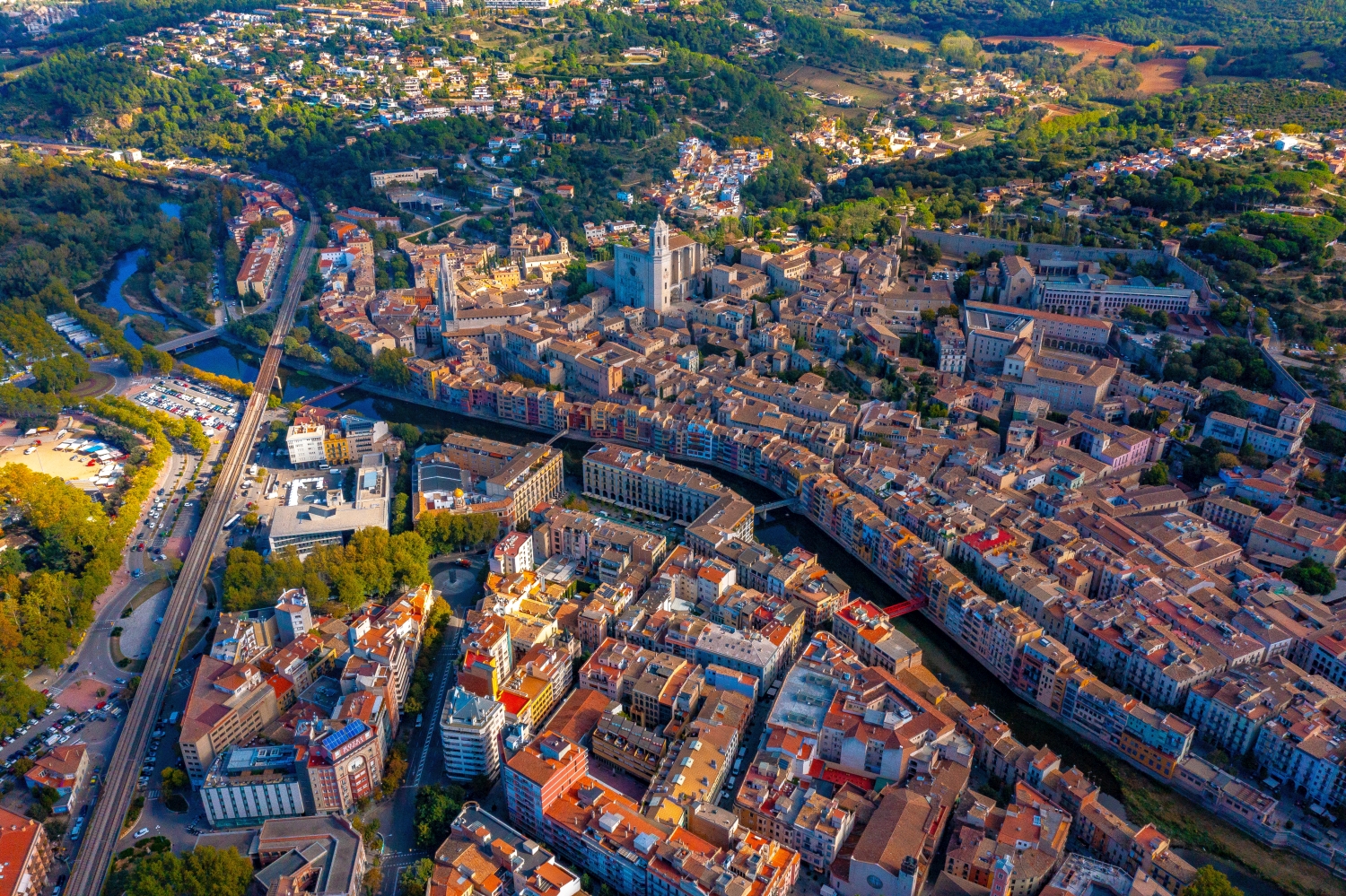
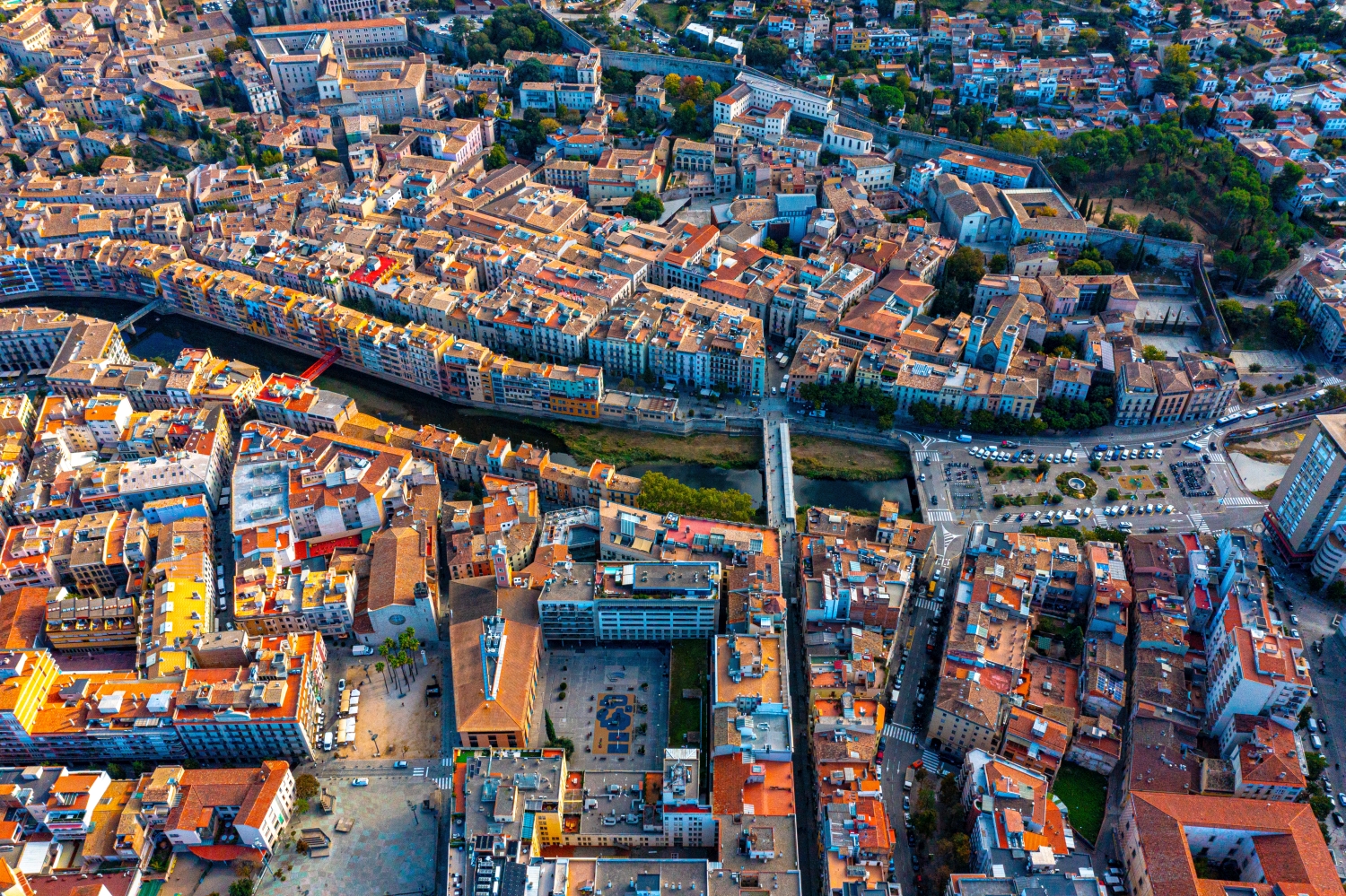
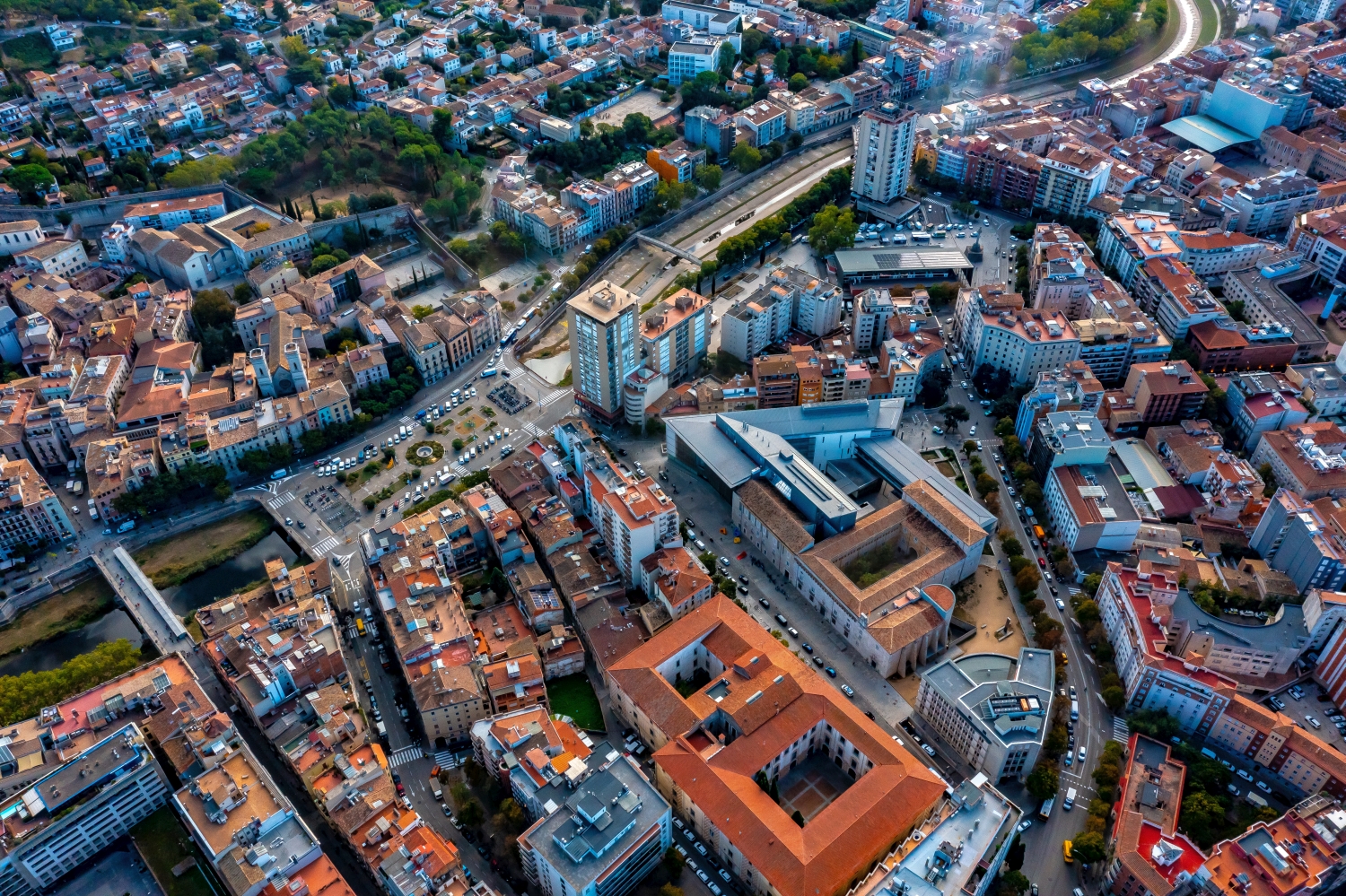
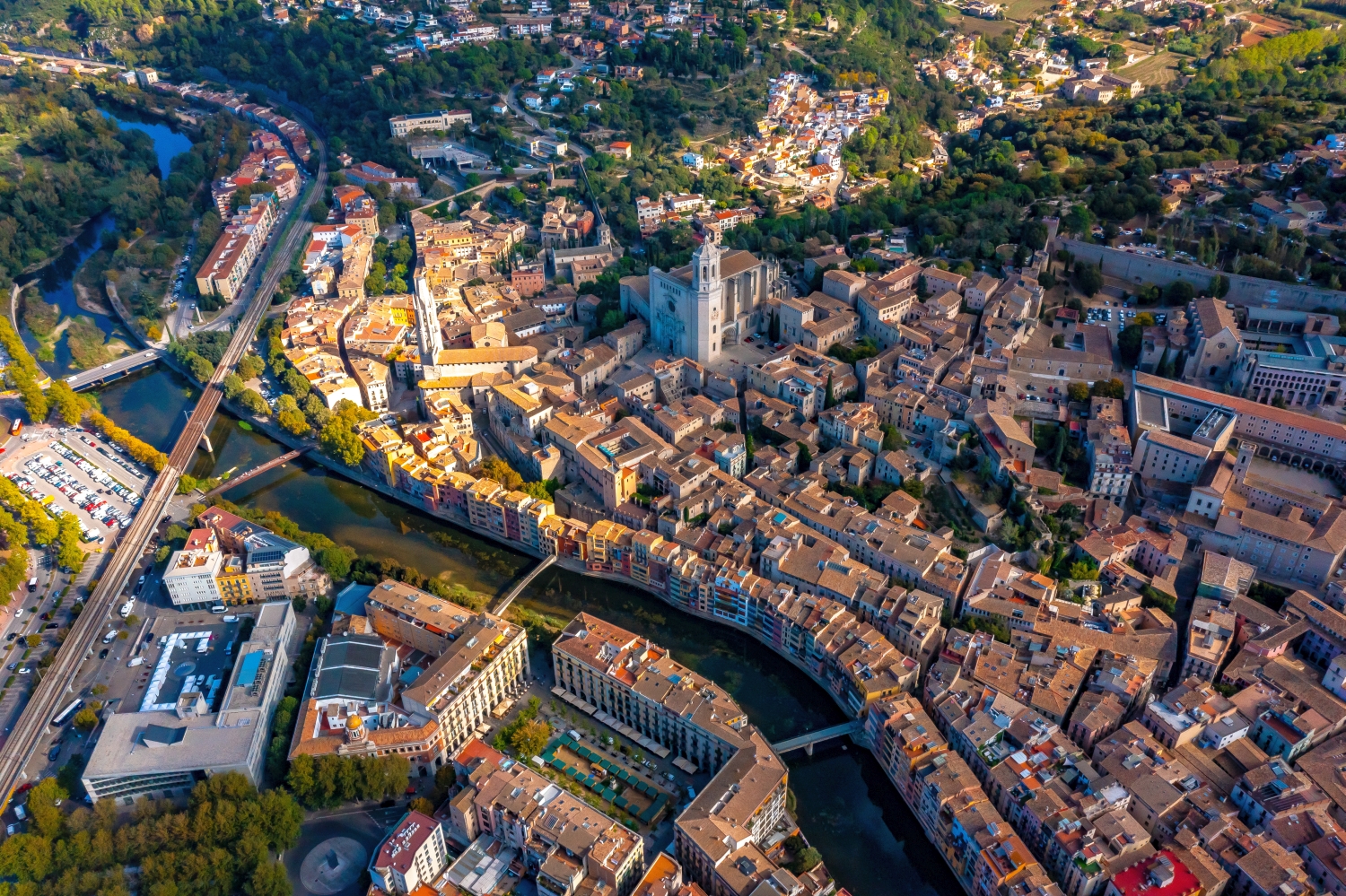
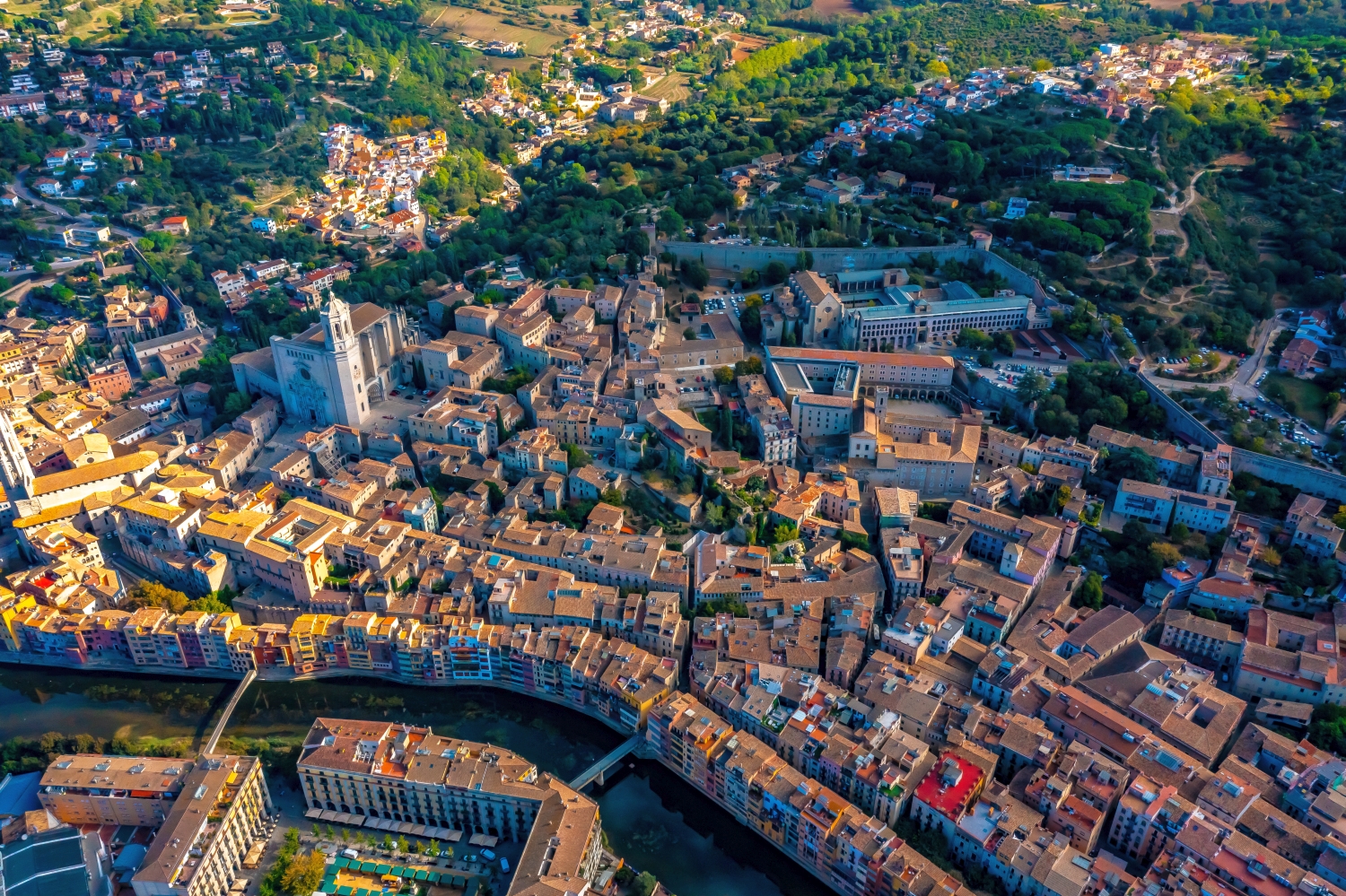
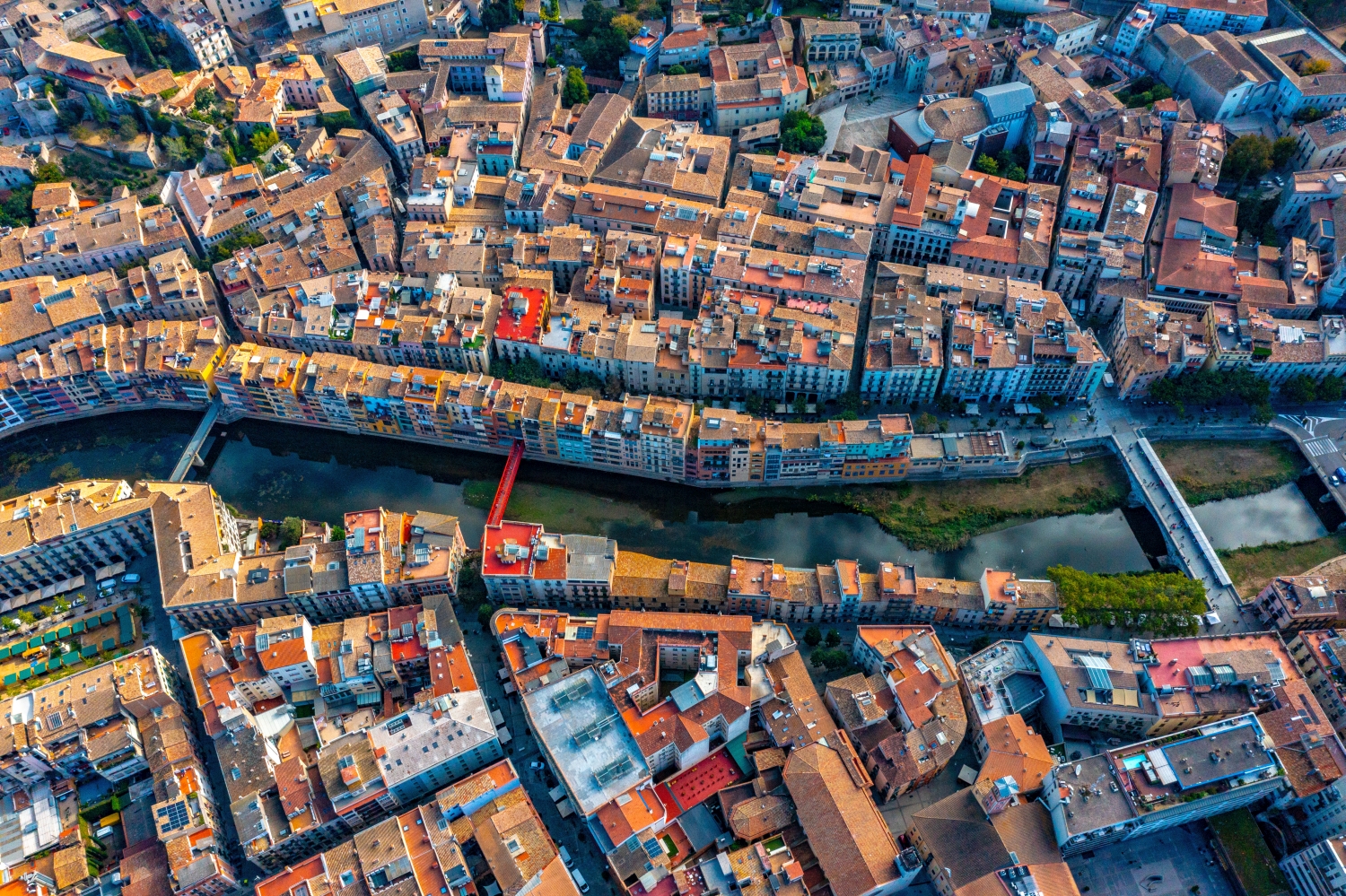
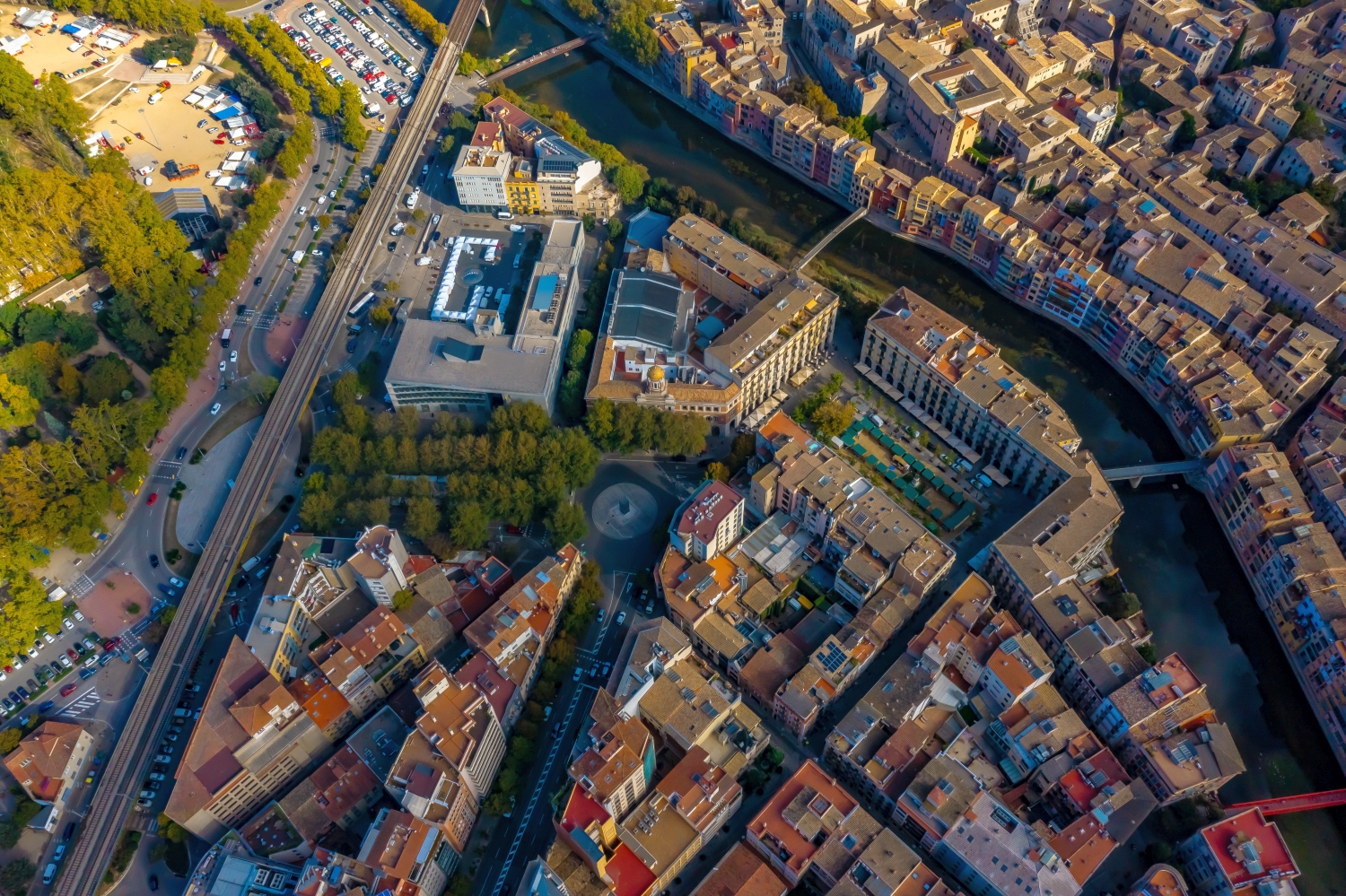
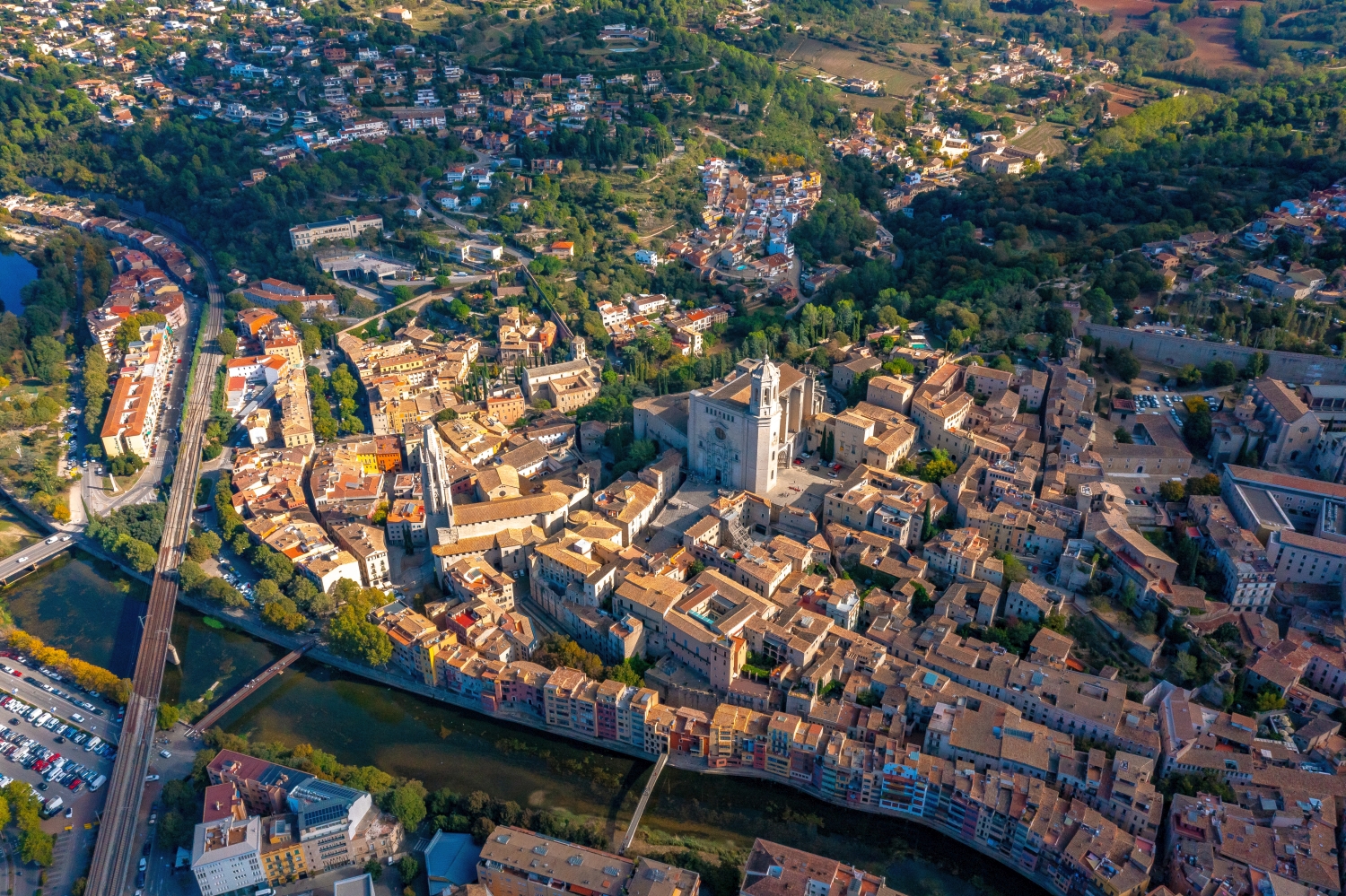
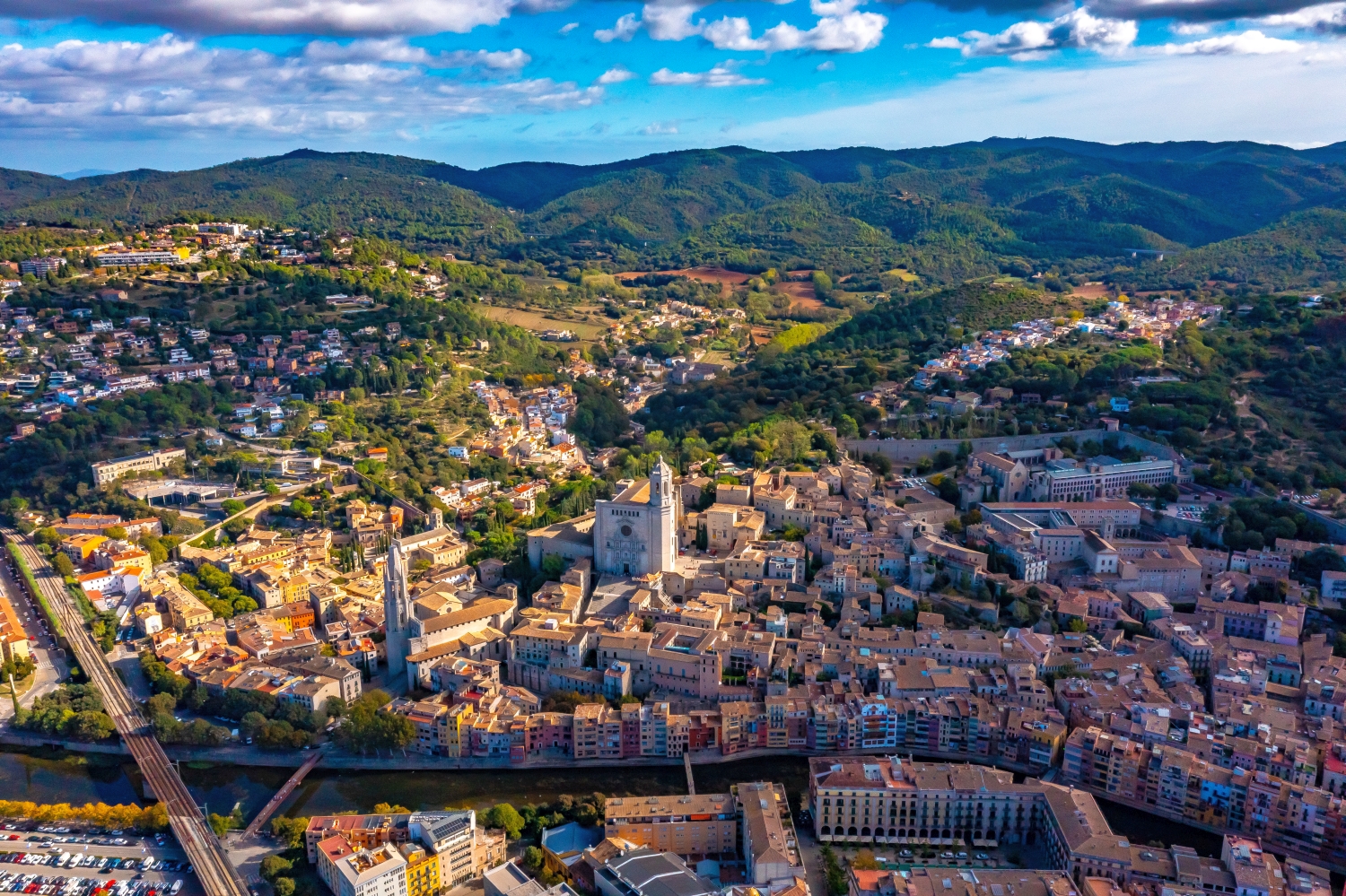

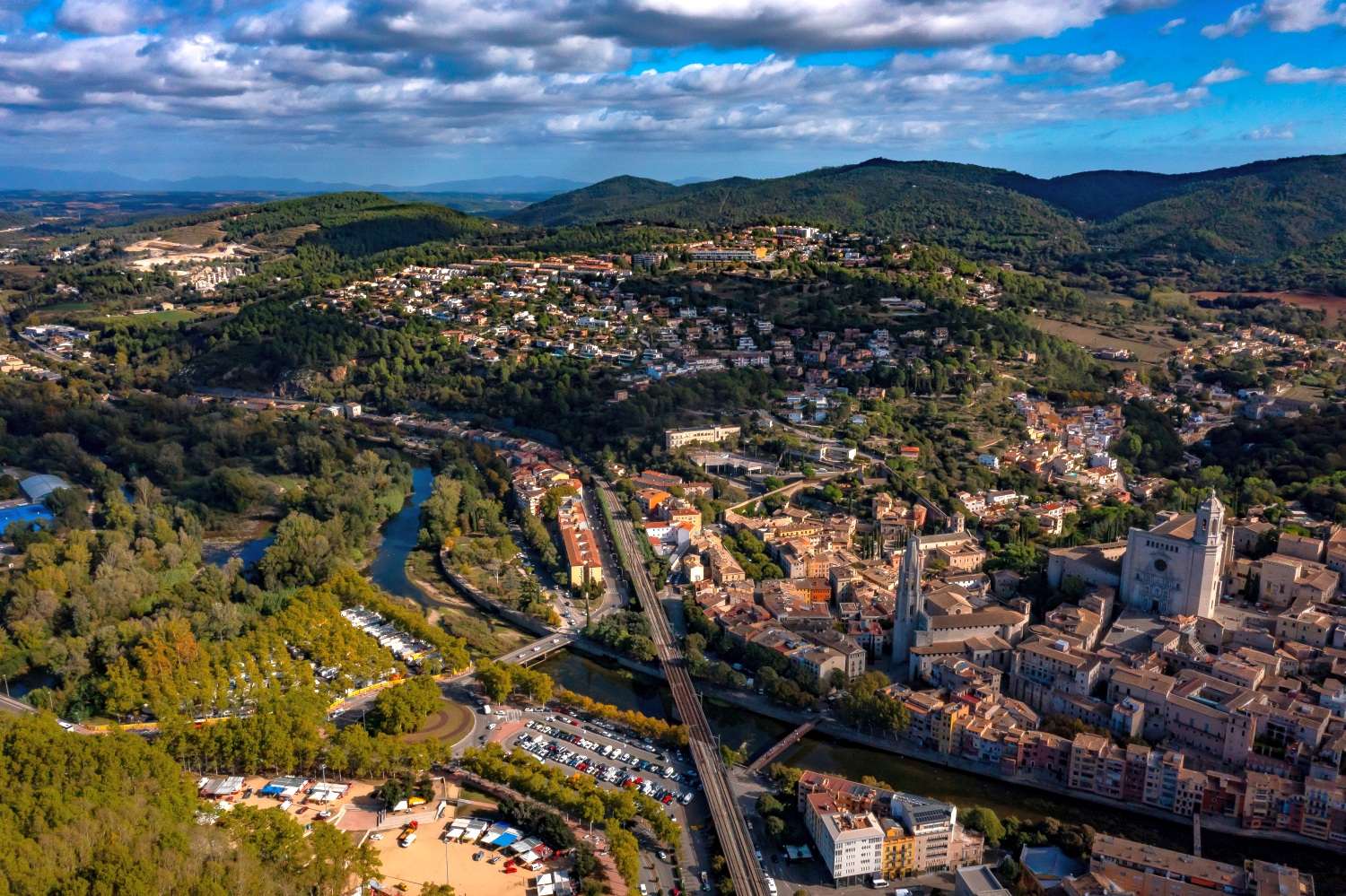
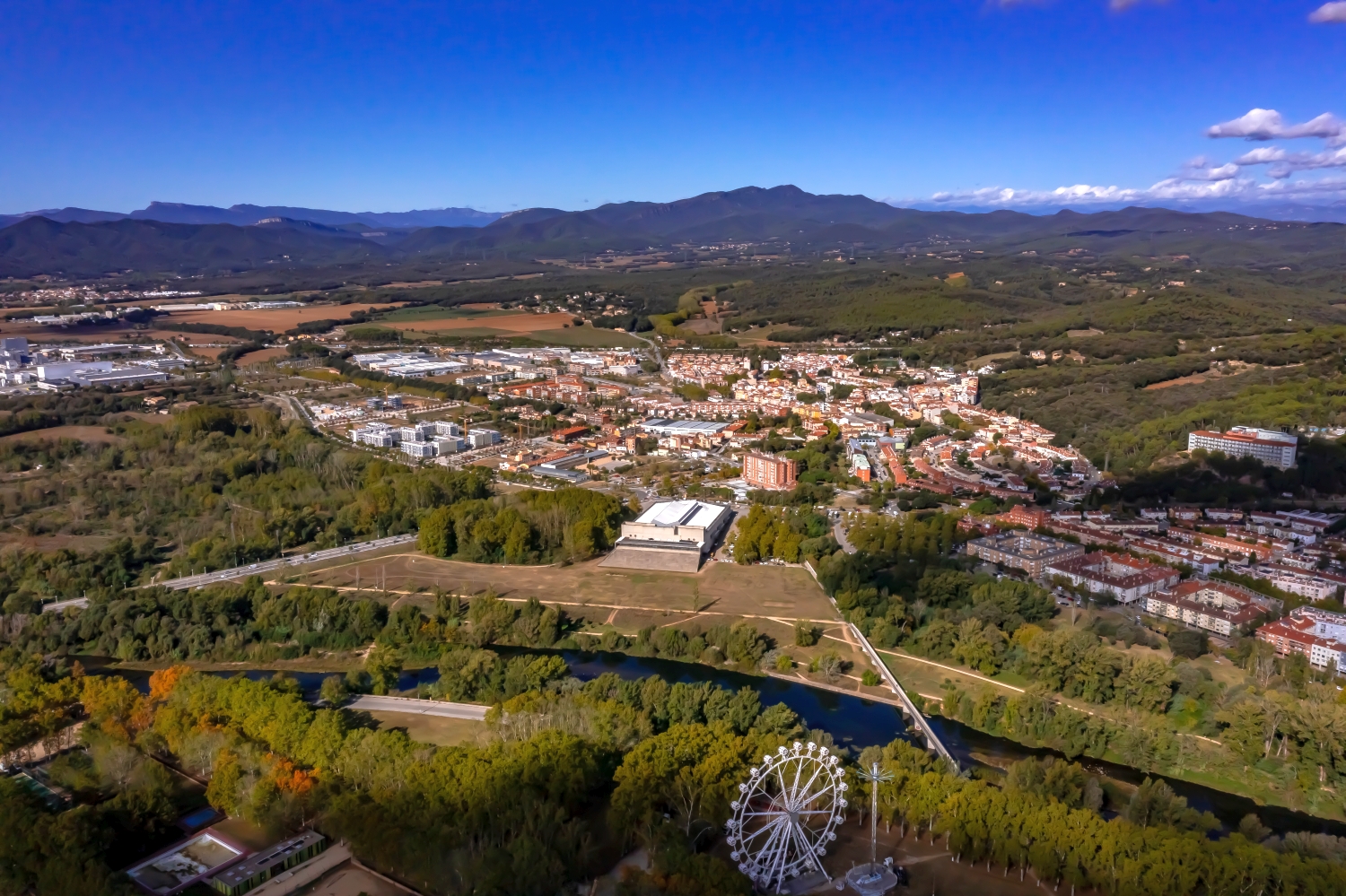
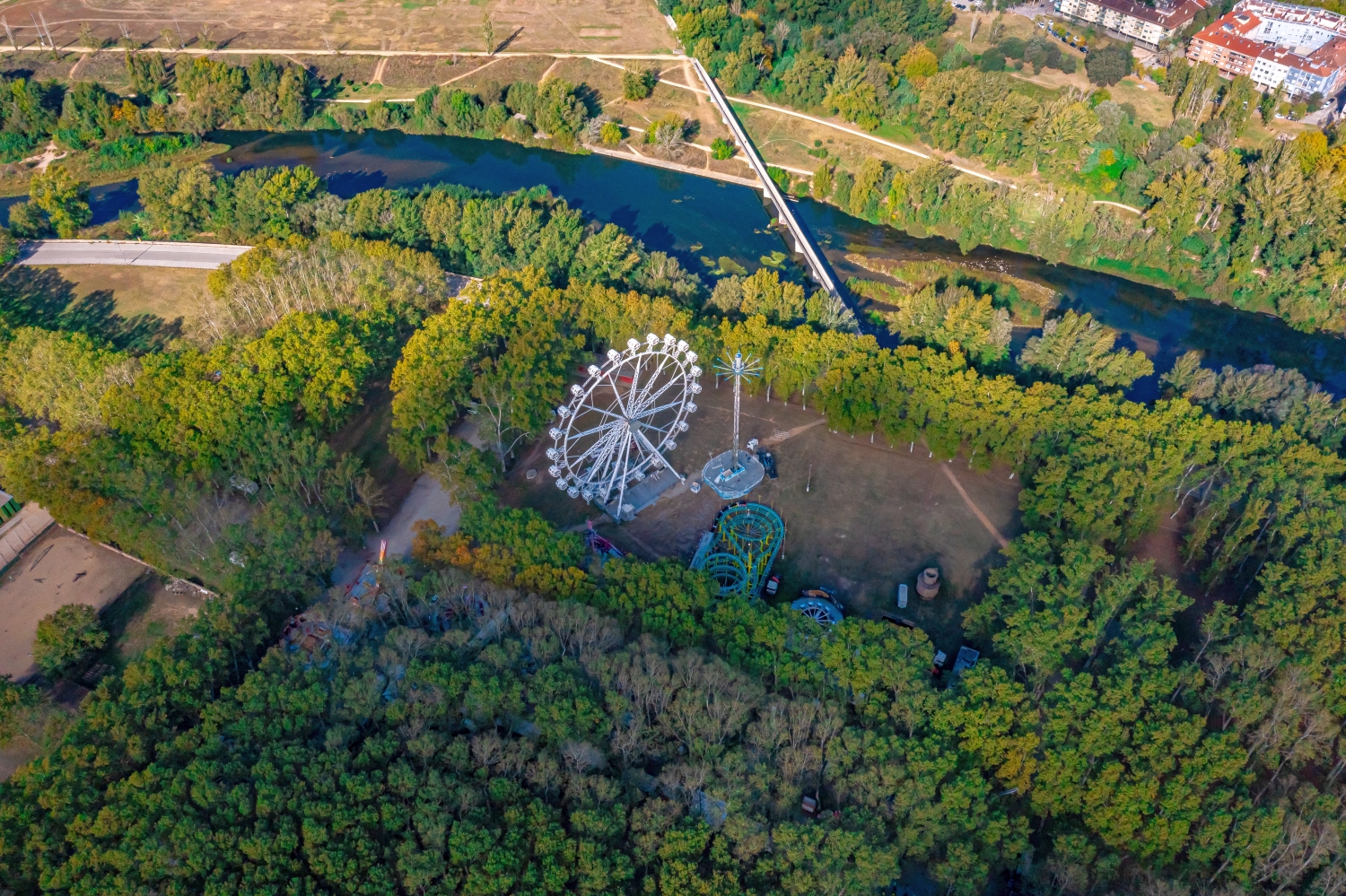
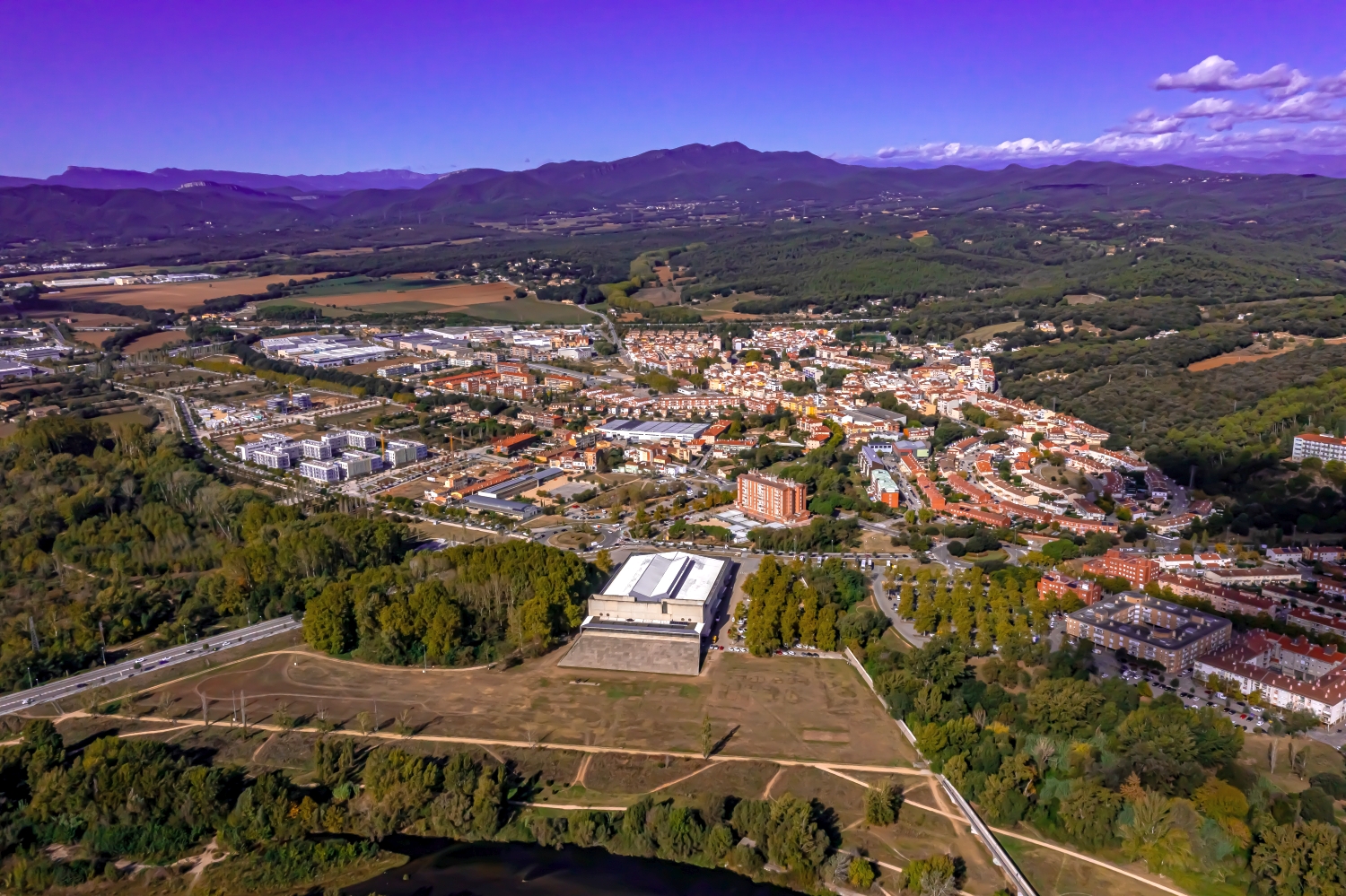
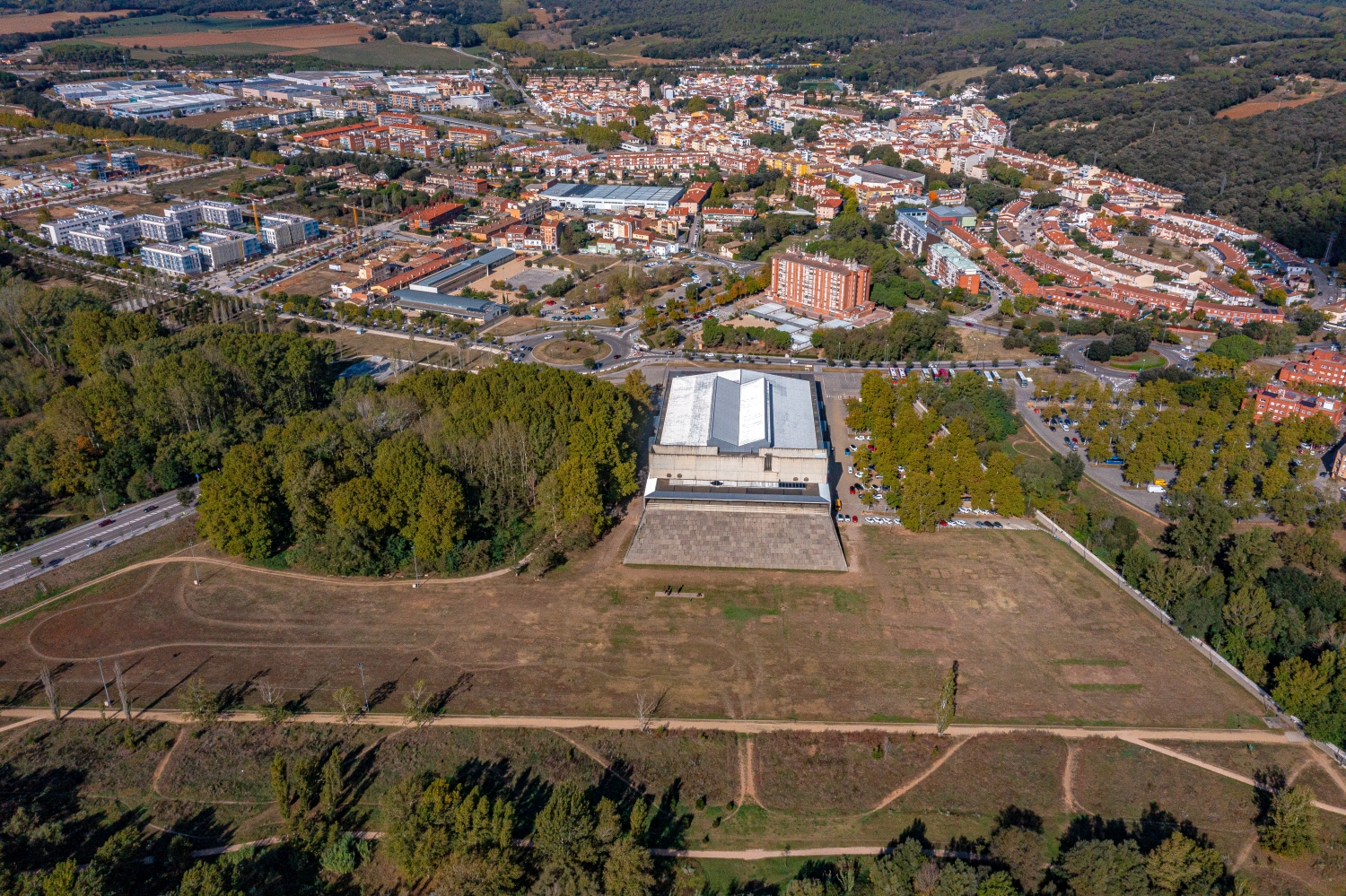
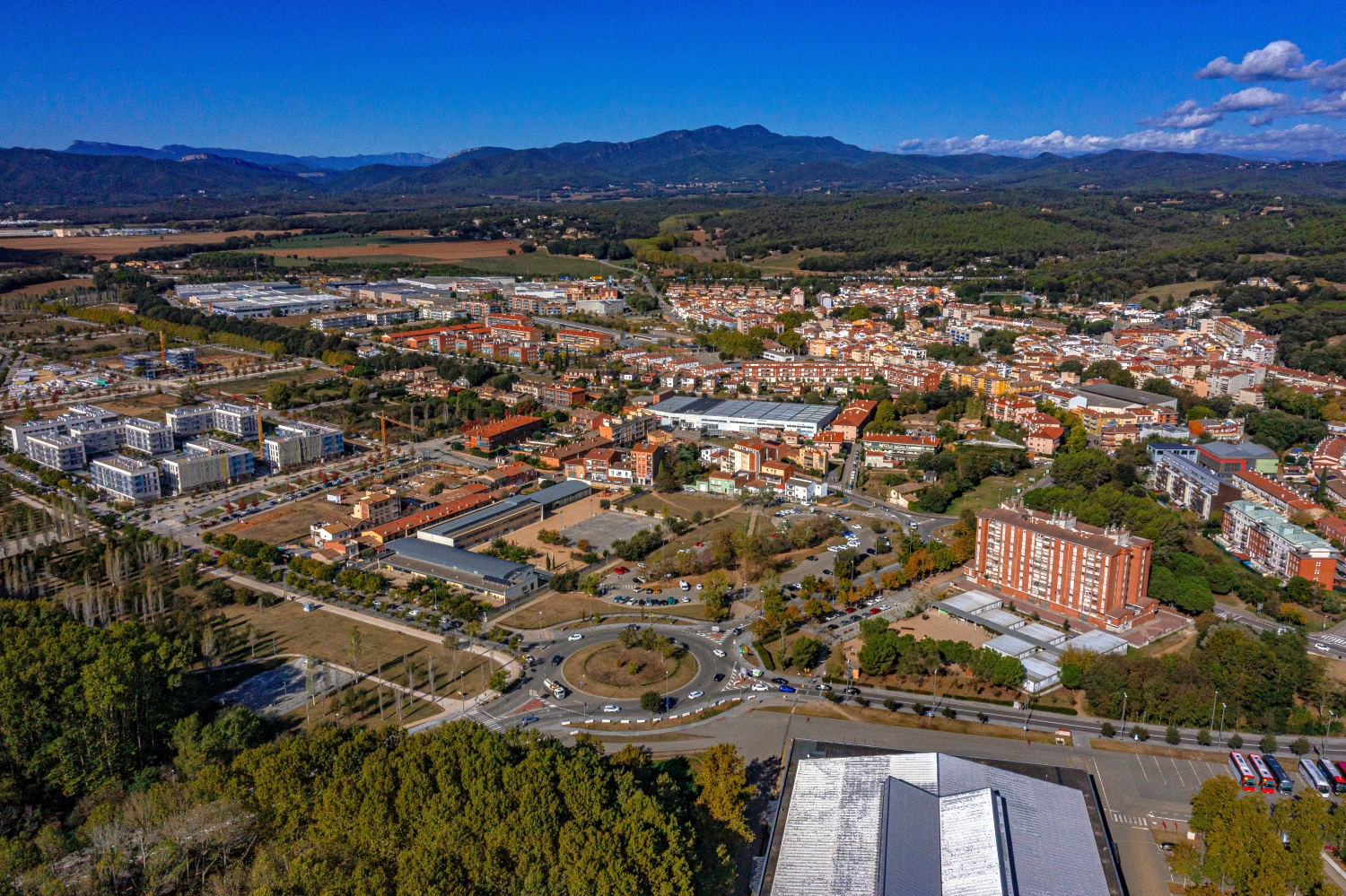
The built outskirts of Girona
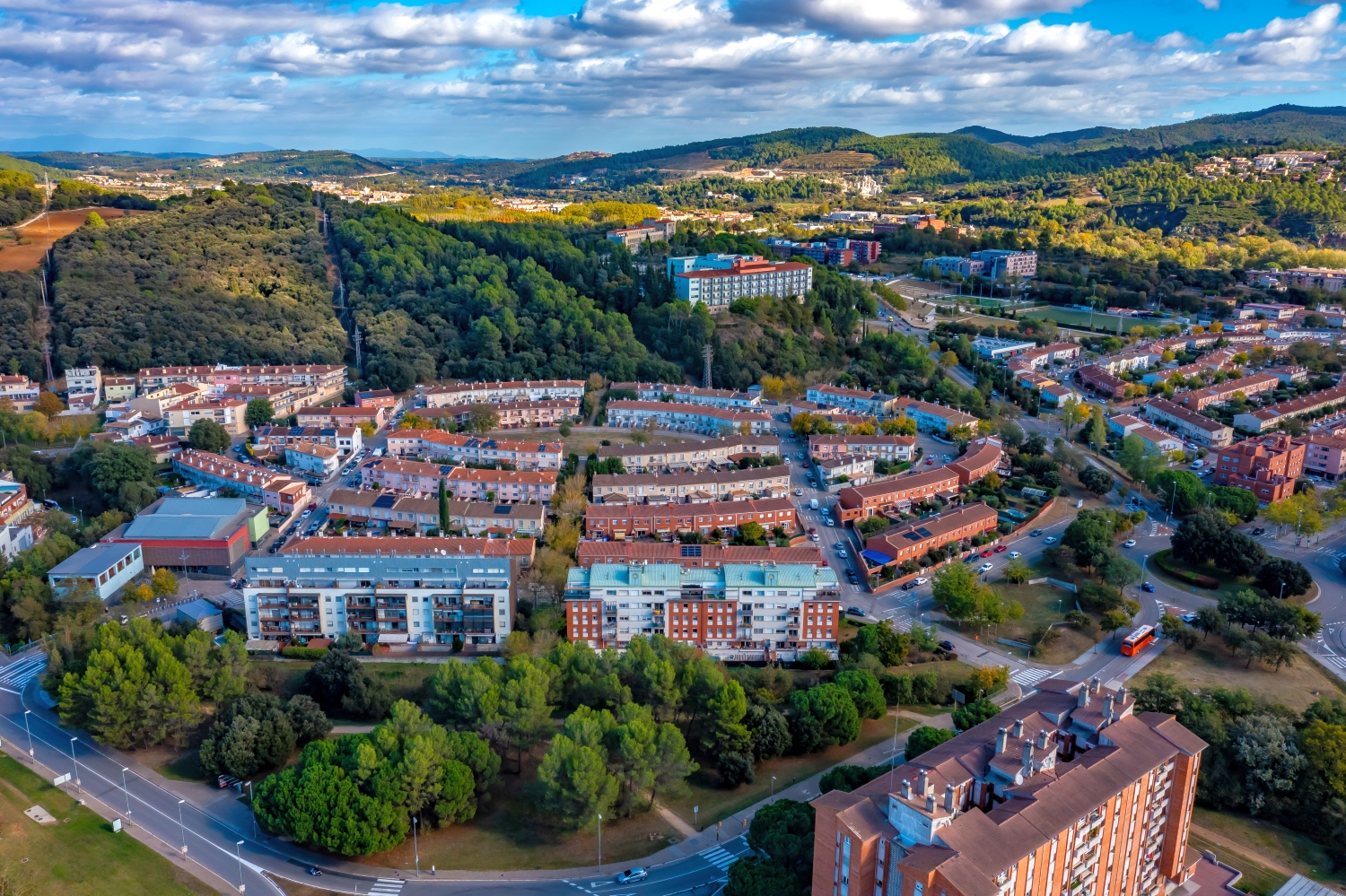
From above, Girona's dense development has a clear edge. Roofs and compact blocks reach onto forested slopes. If you first follow the roof landscape and then the green contour, you will discover two very different views of the same Catalan city.
Roof landscape on a slope
Across Girona, the roads change direction as they approach the slope. These changes in direction are easier to follow in an aerial photo than from a single alley. This gives a city panorama a local reference, even if no single building dominates the section.
The gaps between the houses reveal how tightly built the place is. An inner courtyard opens up the roof structure, a treetop covers part of it, and a wide street separates two blocks. Anyone who looks at the photo can follow these gaps and get a clearer picture than if they tried to identify each building individually. A particularly suitable view for a city portrait is one in which the view from a clearly visible roof can move on to the neighboring streets.
Recognize the shape of the valley area
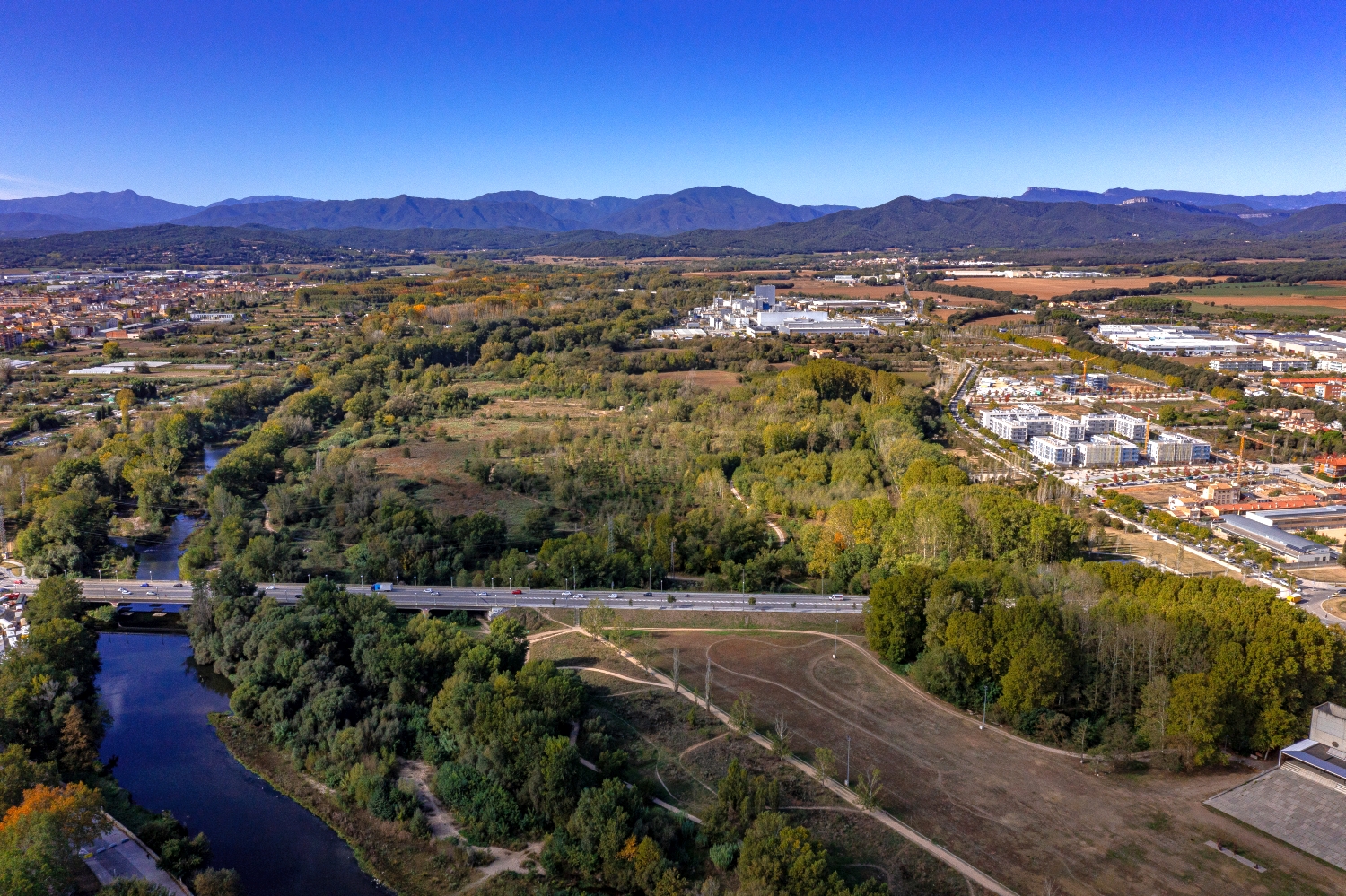
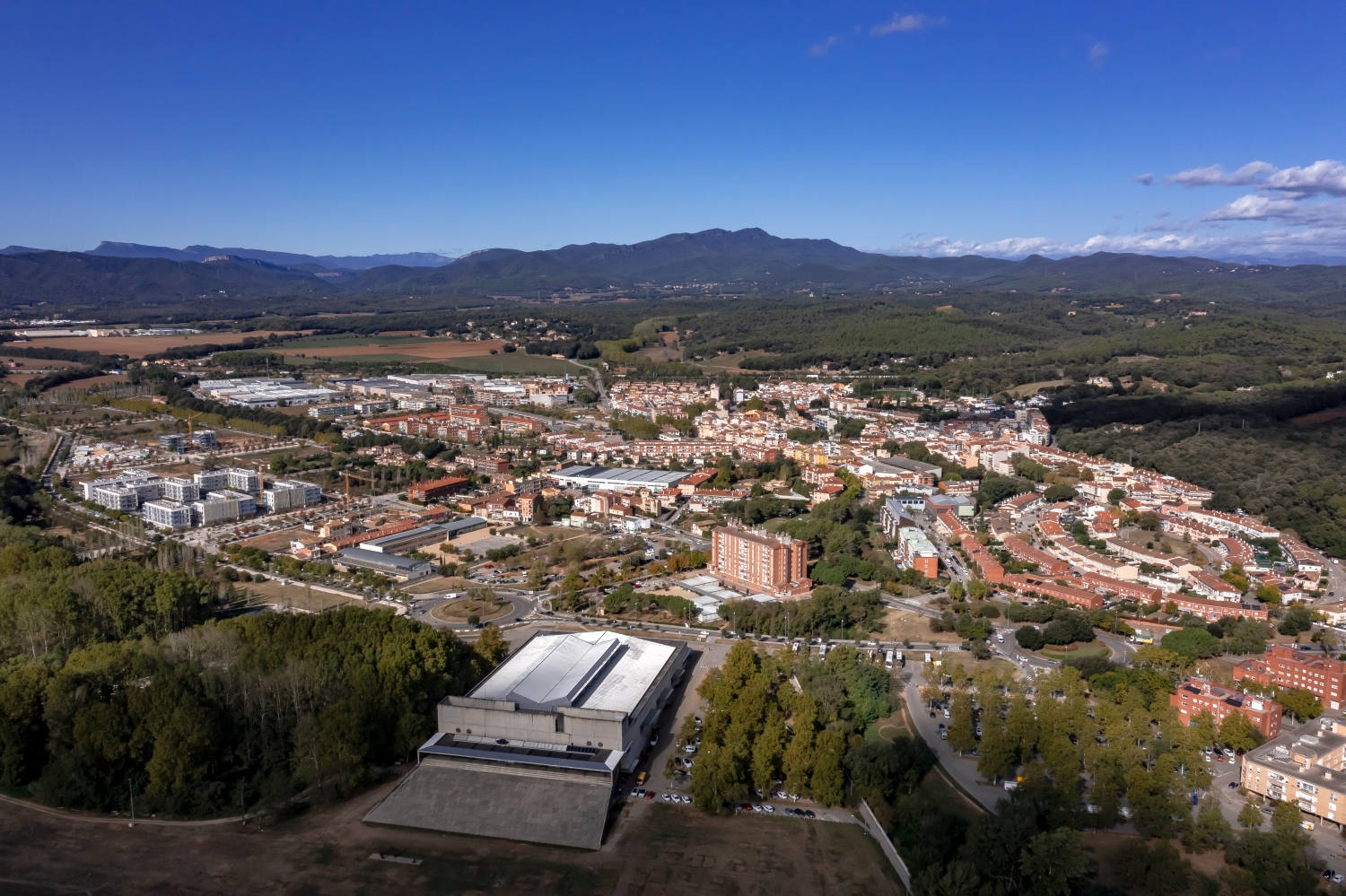
Two different narrative directions emerge along a valley and across it. The longitudinal view leads into the distance and shows what is arranged one behind the other. Looking sideways, the width of the valley floor and the rise on either side become clearer. Which view is convincing depends on the question asked of the image. For a description of the location, a lateral view is often productive. For a stretch along a route, the longitudinal view gives the viewer a direction to follow across multiple subjects.
What becomes visible on the edge of town
On the edge of town, several scales come together in a small section. On one side there are individual buildings with gardens and driveways. On the other hand, a single open area sometimes takes up as much space as several streets. This change can be shown in the picture over a common edge. A section in which the border between the two areas remains visible even when displayed narrowly is suitable for a website. The motif then retains its local reference even in the mobile view.
Warm tones within the series
To switch between two of the 23 aerial photos, shot 5 and shot 7 can be called up directly in the gallery. In the second view, warm reds and browns have more weight than in the first. Red-brown and yellowish areas are particularly noticeable next to cooler surfaces. What is interesting when comparing is whether they are concentrated on a single object or appear spread out across the entire view.
Shot 1 and Shot 23 are among the views from October 27, 2023. According to the camera's time information, there are approximately 7 minutes between the two images. The exposure time was 1/320 second for the first of the images mentioned and 1/2000 second for the second.
A moving view is also available. The clip “Girona from the air” can be found under Aerial videos. The linked preview leads to inclusion in the aerial photographer's portfolio on Adobe Stock.
Prepare a cityscape for readers
For a city history, it can be informative to place the aerial photograph next to a street view. In one picture the roof is the reliable reference point, in the other it is often the entrance or the facade. The transition is best achieved via a corner, a square or a visible junction. An aerial photographer can take this connection into account when taking photos. In the printed photo series, a brief note about which side of the street the next photo was taken from is often enough.
Related motifs in the aerial photo archive
Two additional views can be used in the archive for comparison. The first can be found at Bad Hersfeld. Bad Hersfeld almost changes color when you look at it from above. The second belongs to the article Löbau. In Löbau, dense red roof areas alternate with more open built-up areas in which large buildings take up significantly more space.