 F4LUFTBILDER
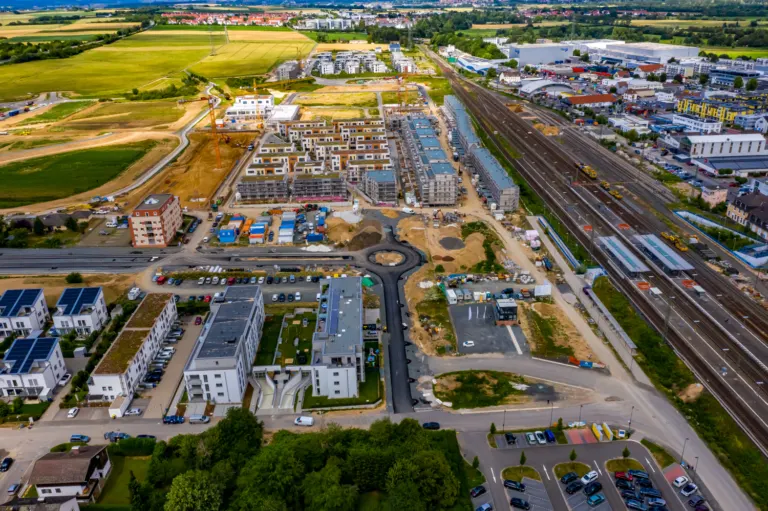
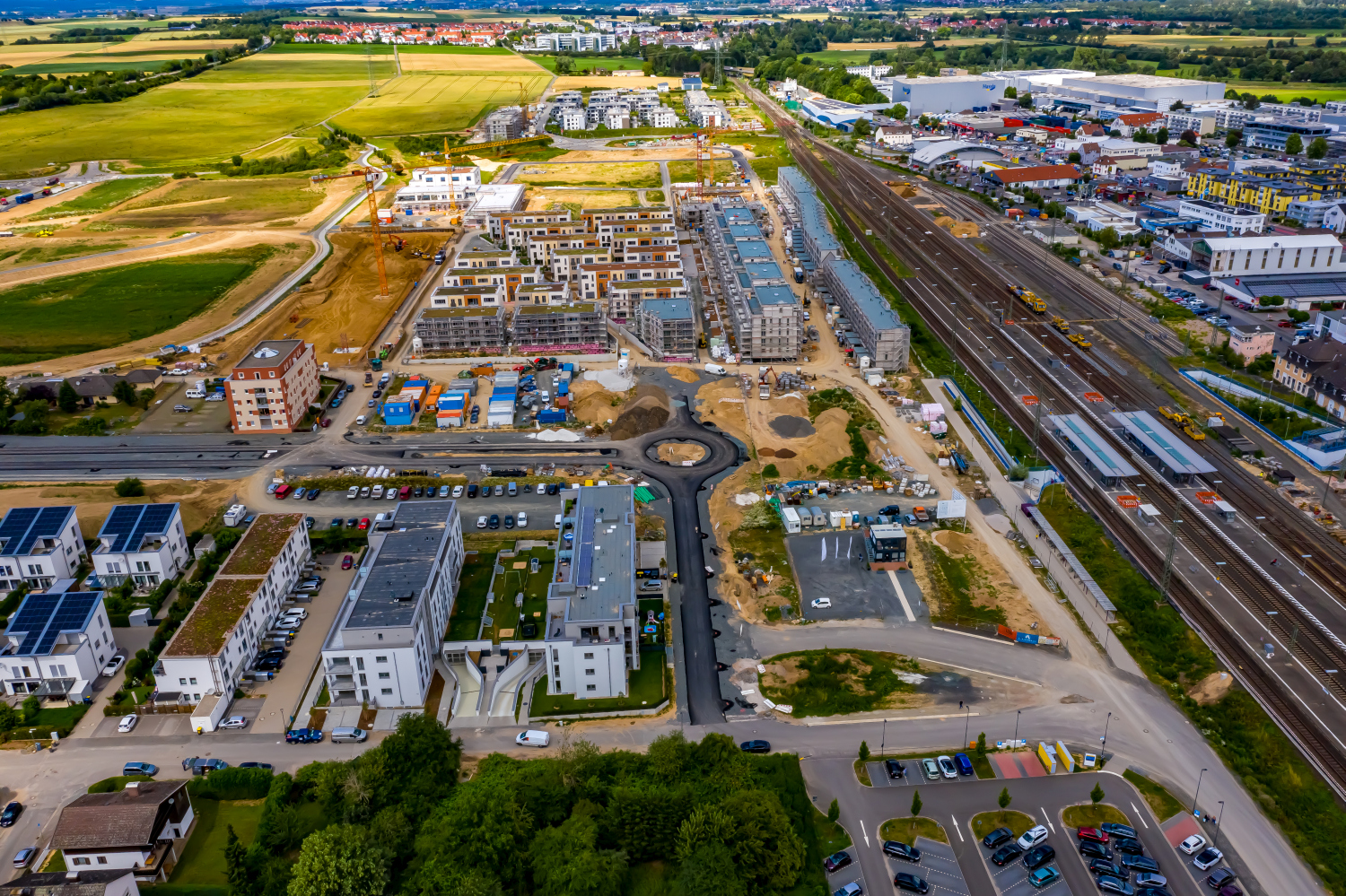
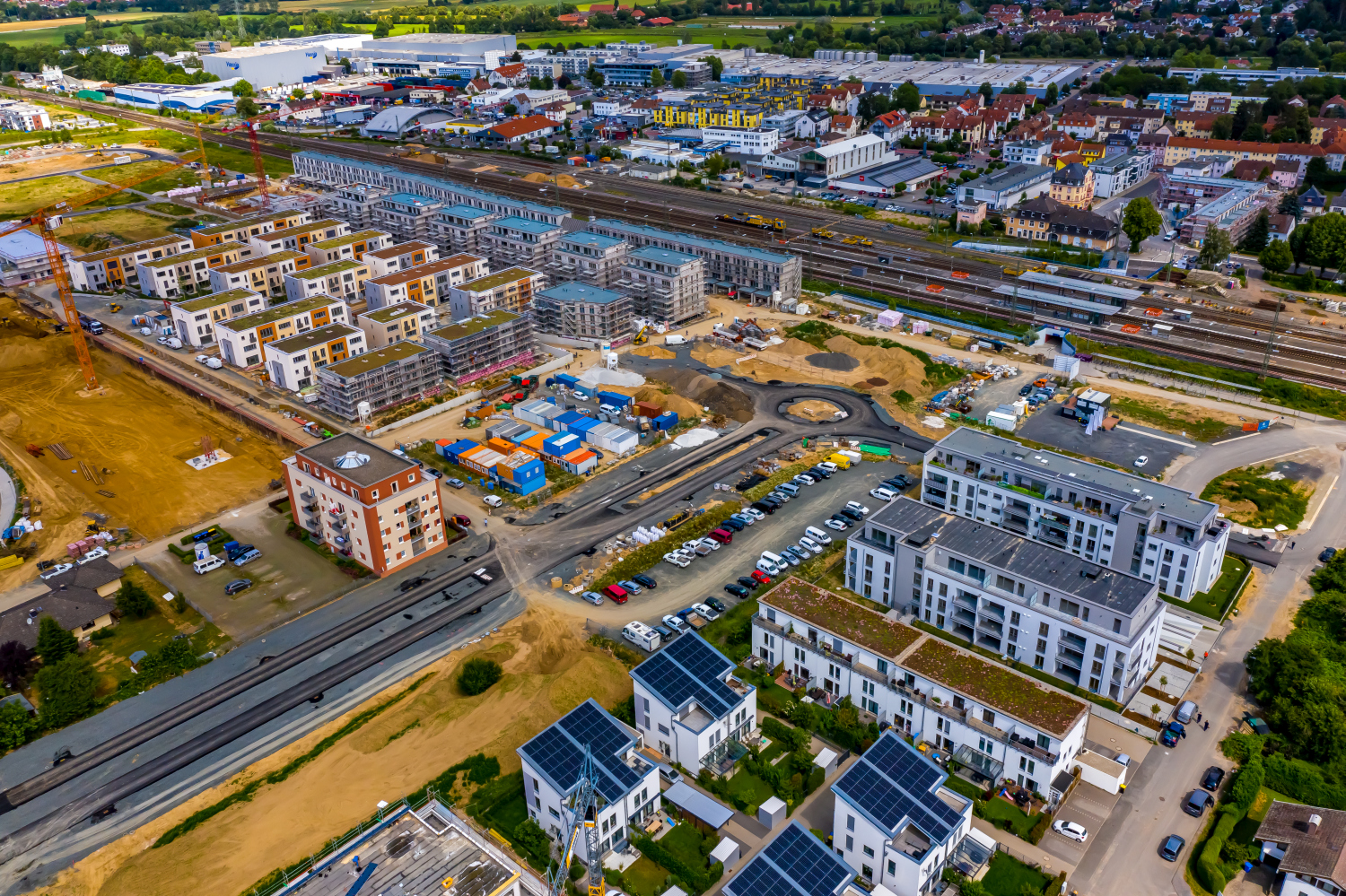
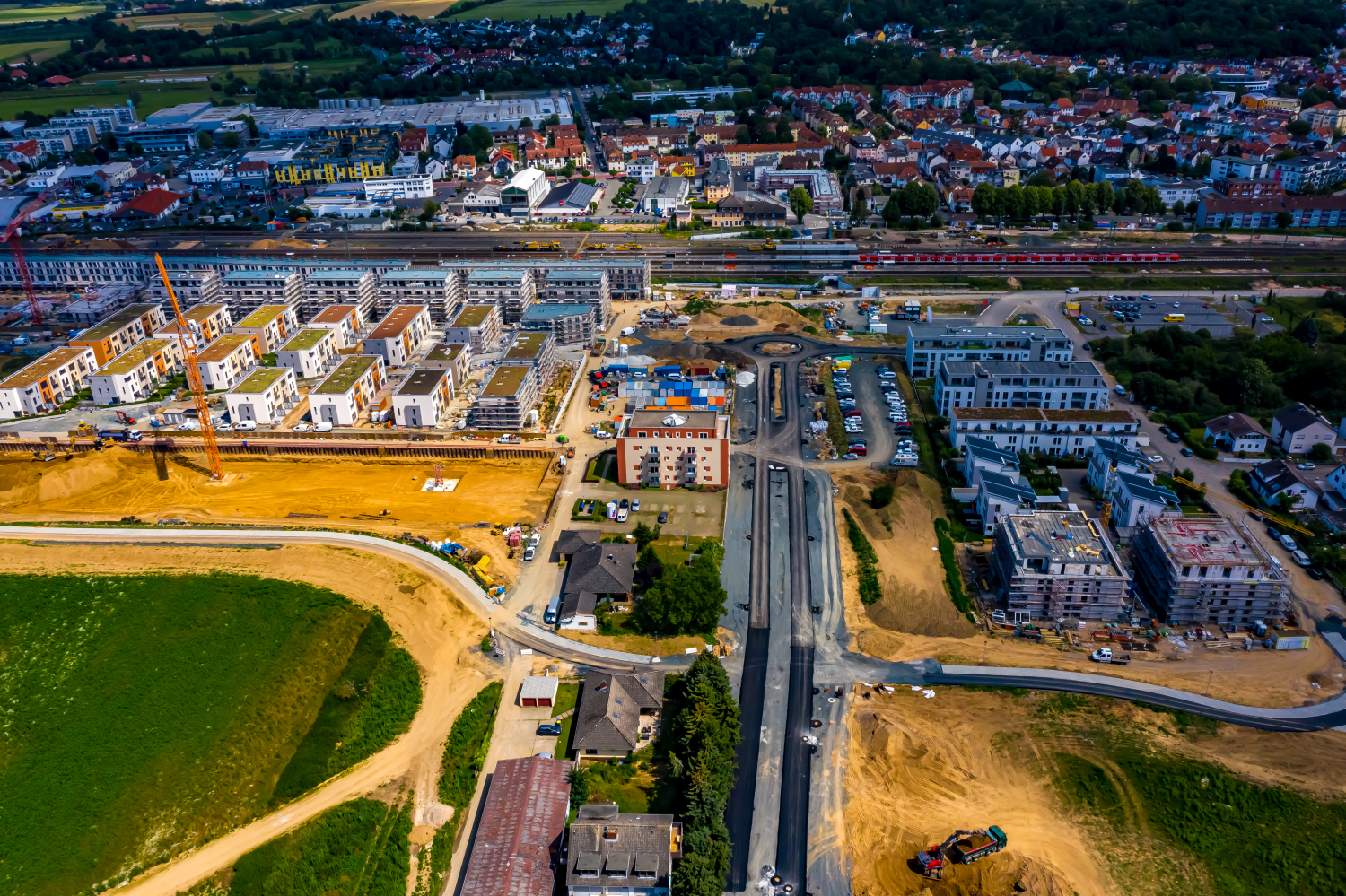
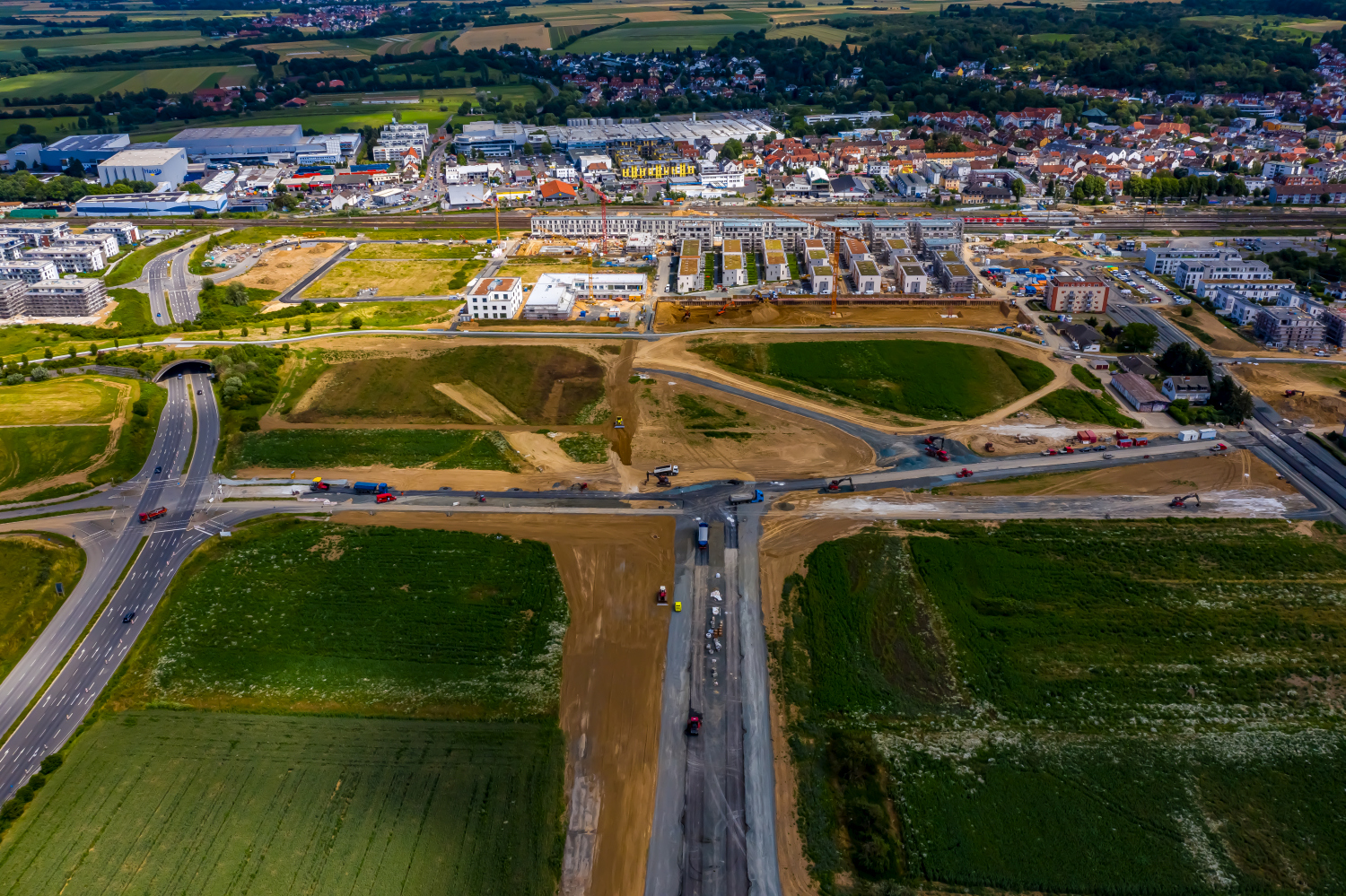
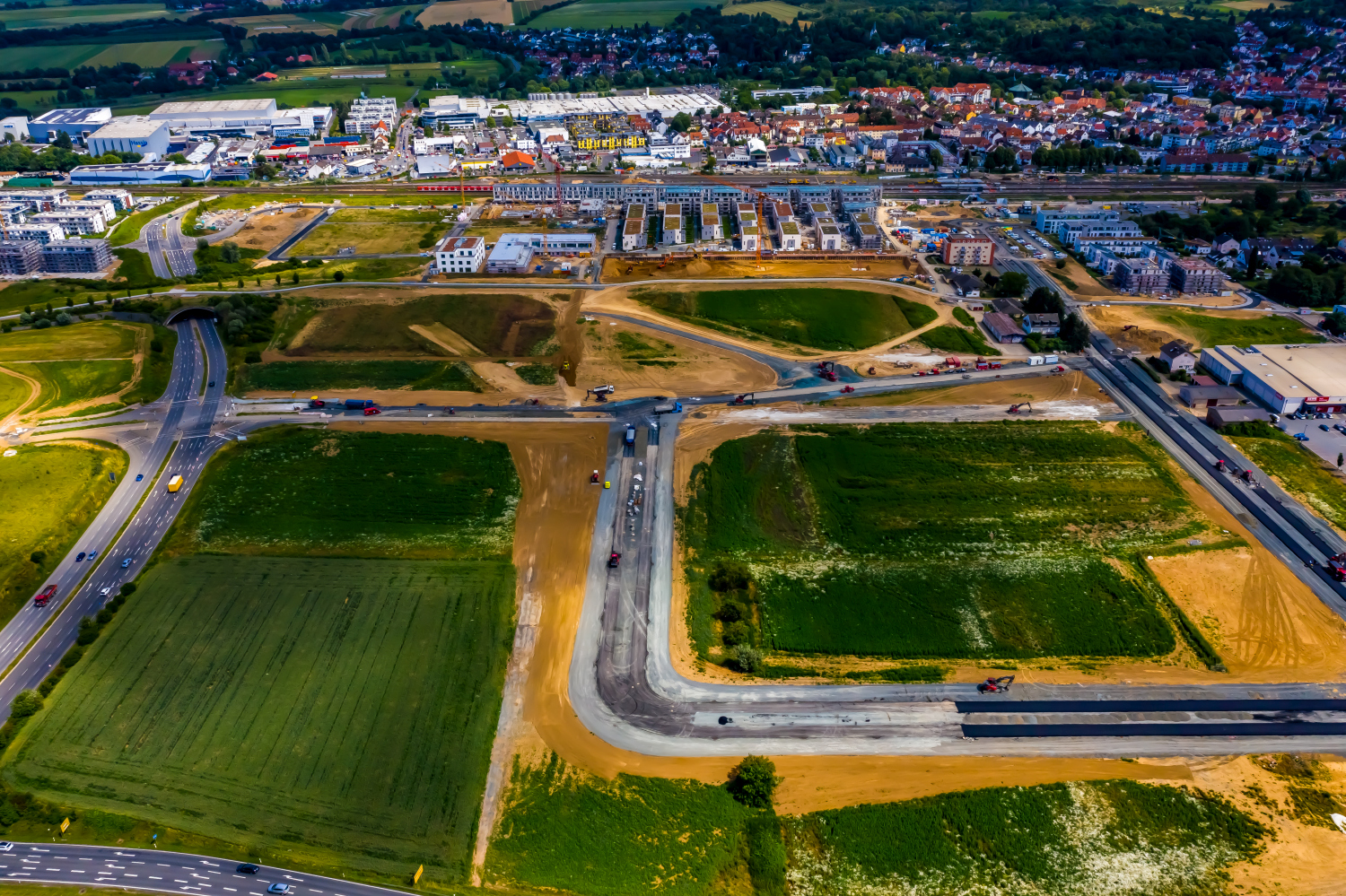
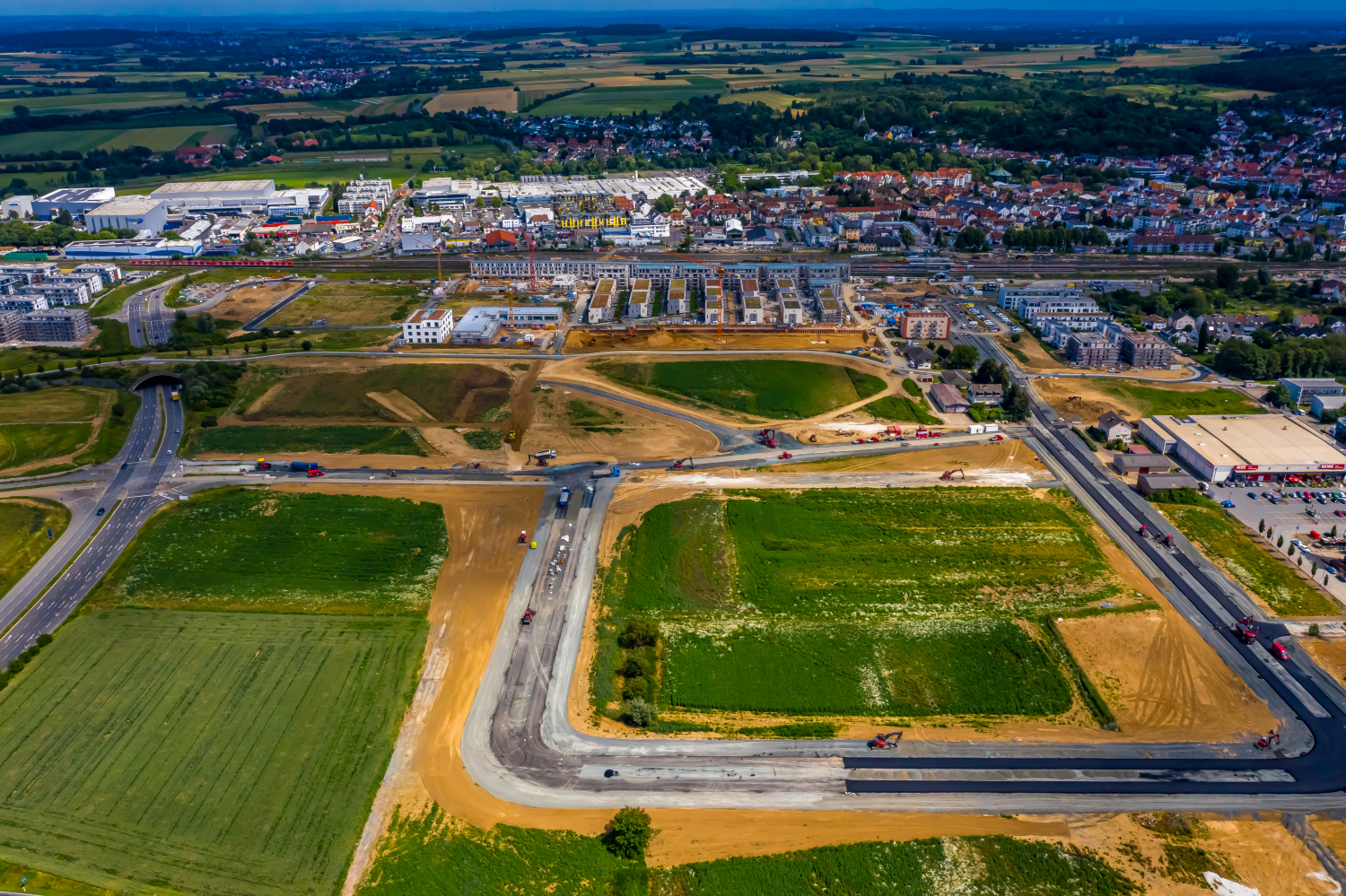
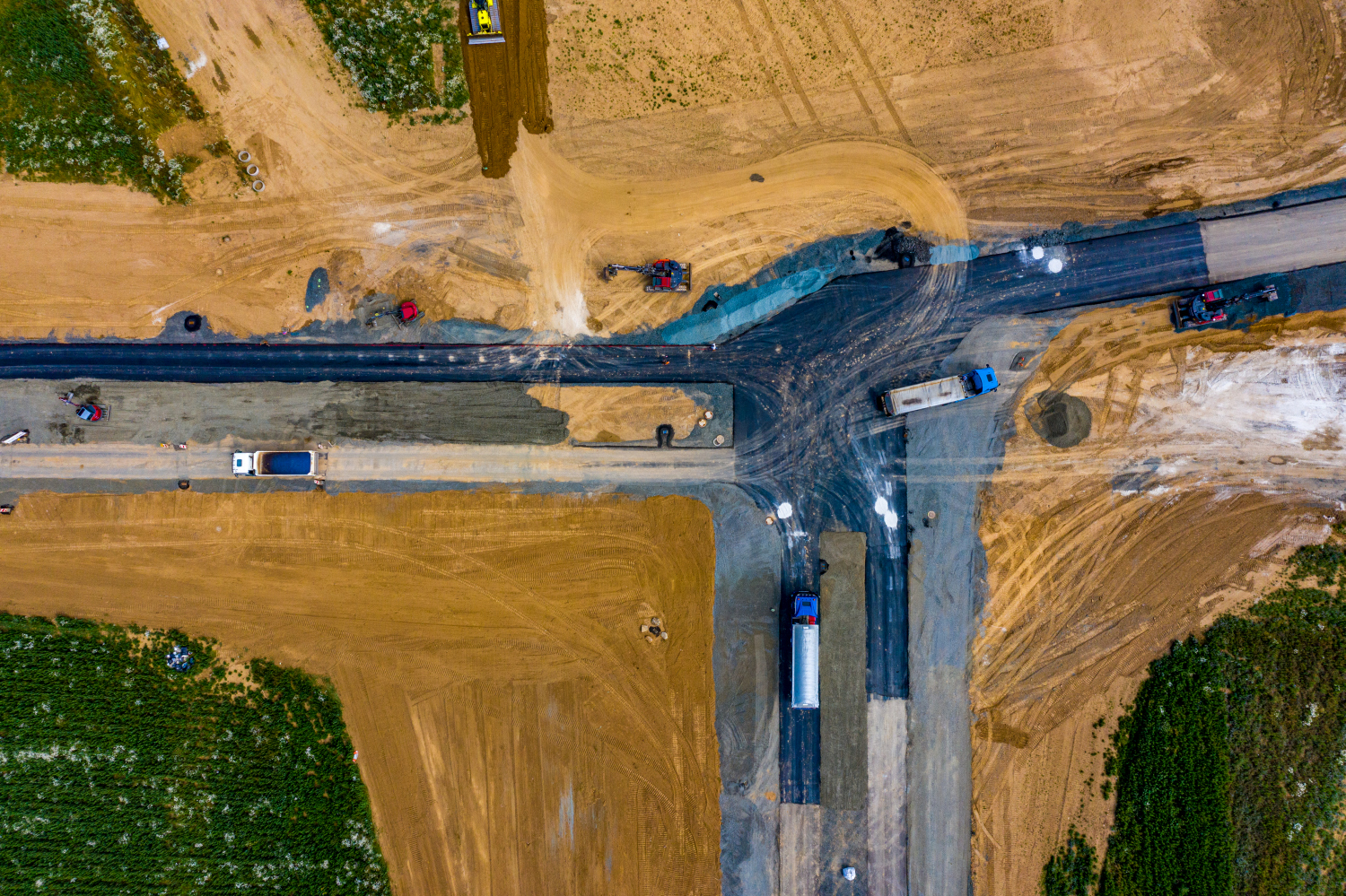
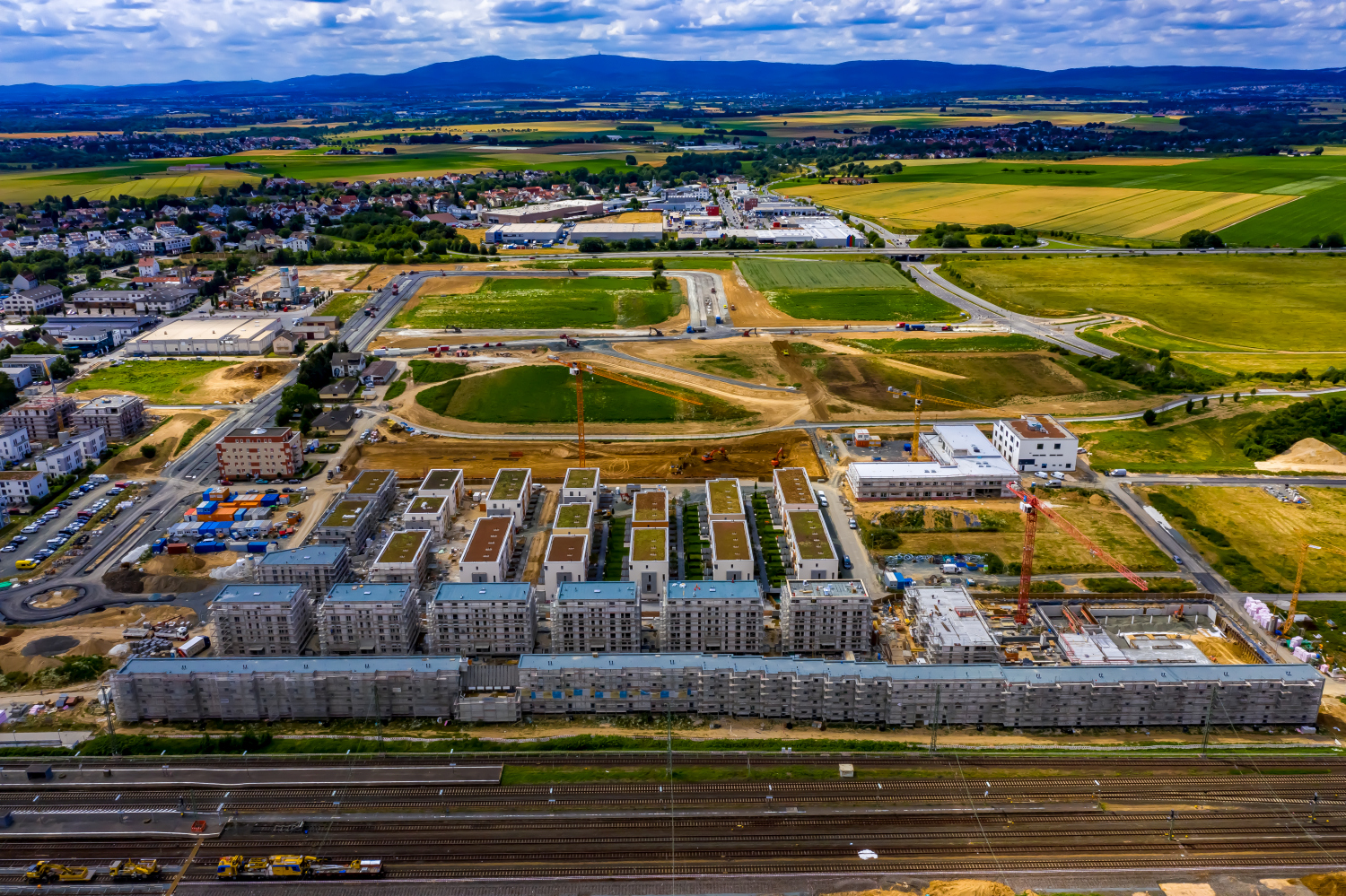
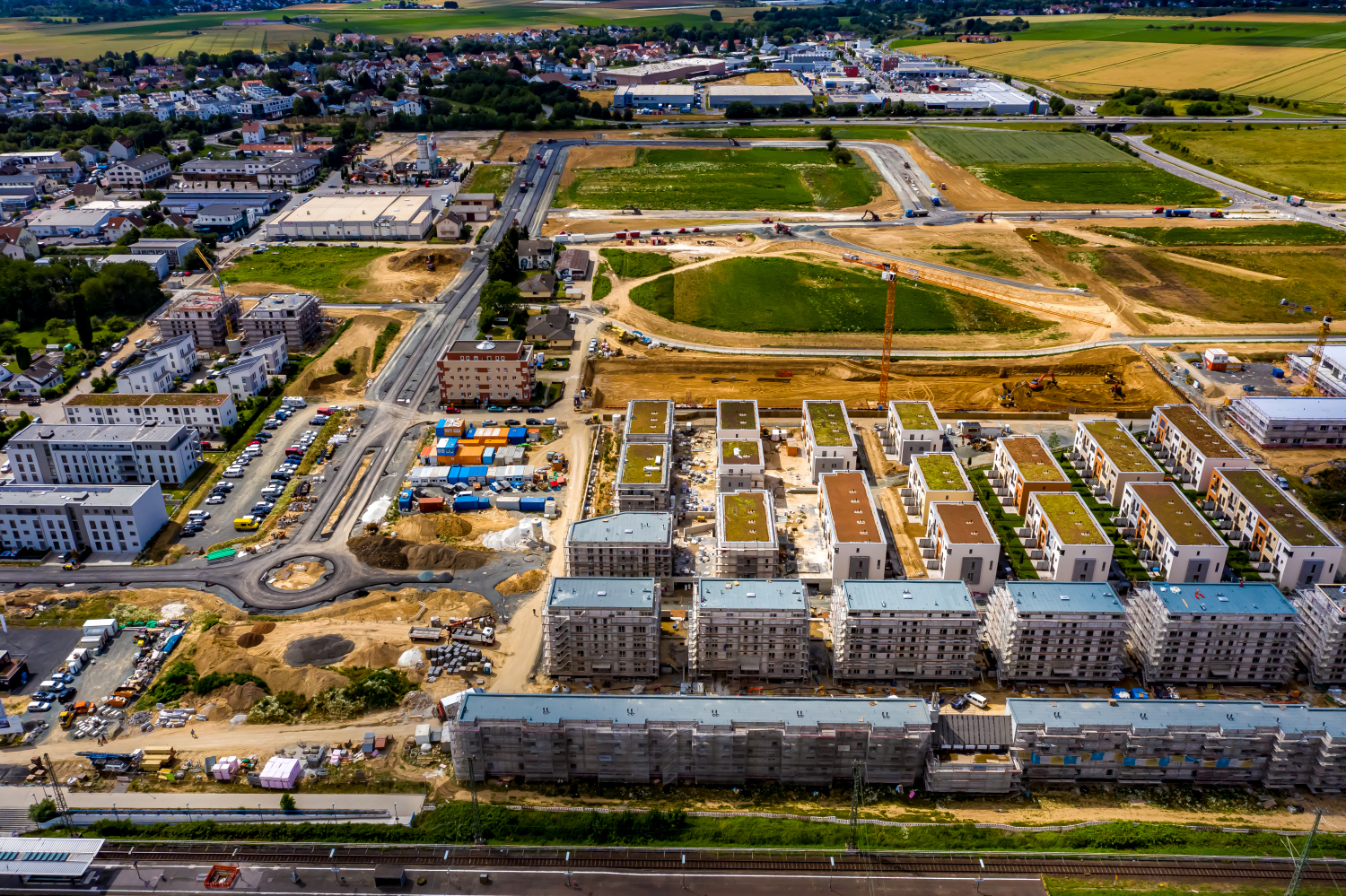
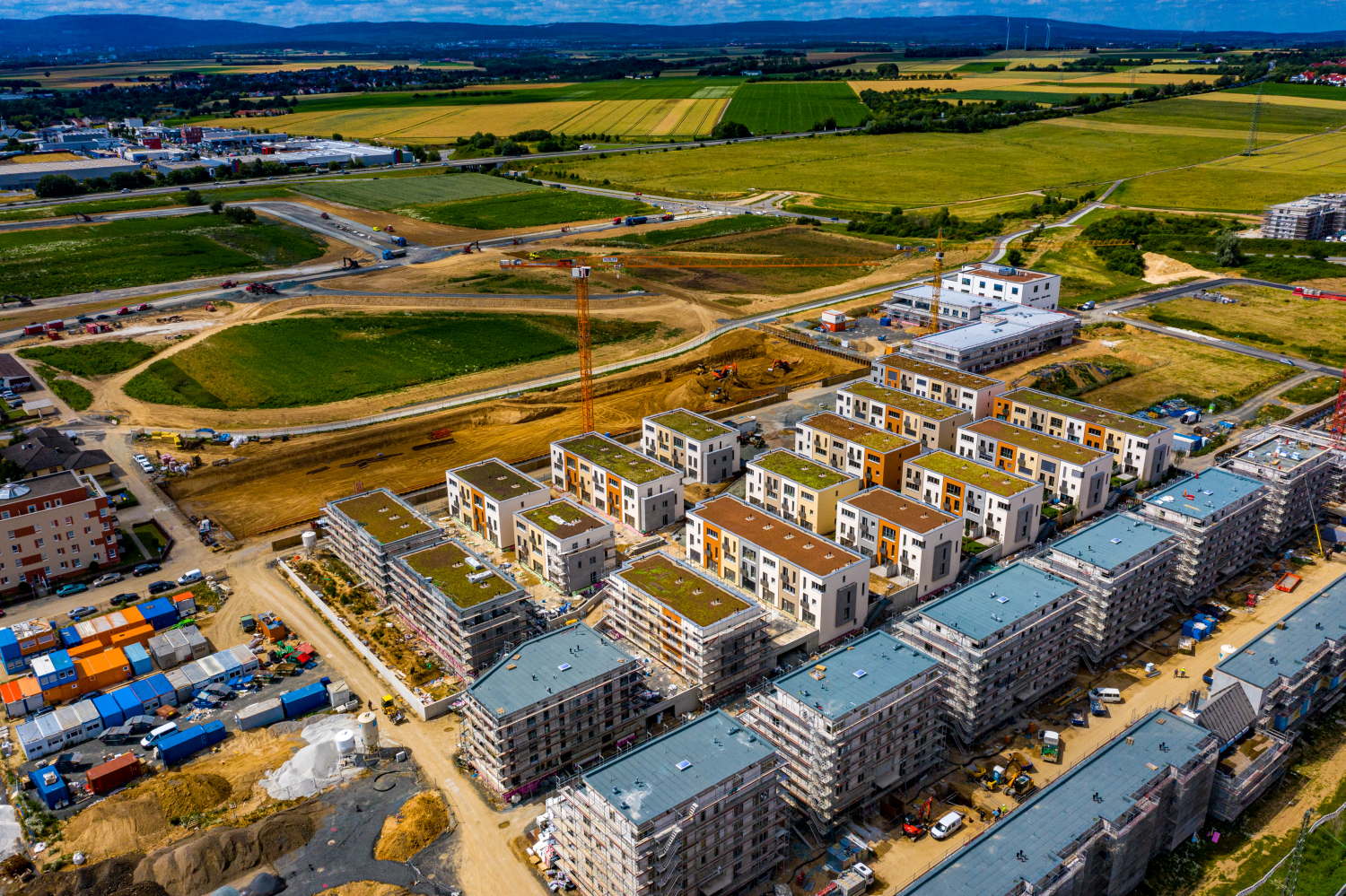
New streets and building sites in Bad Vilbel
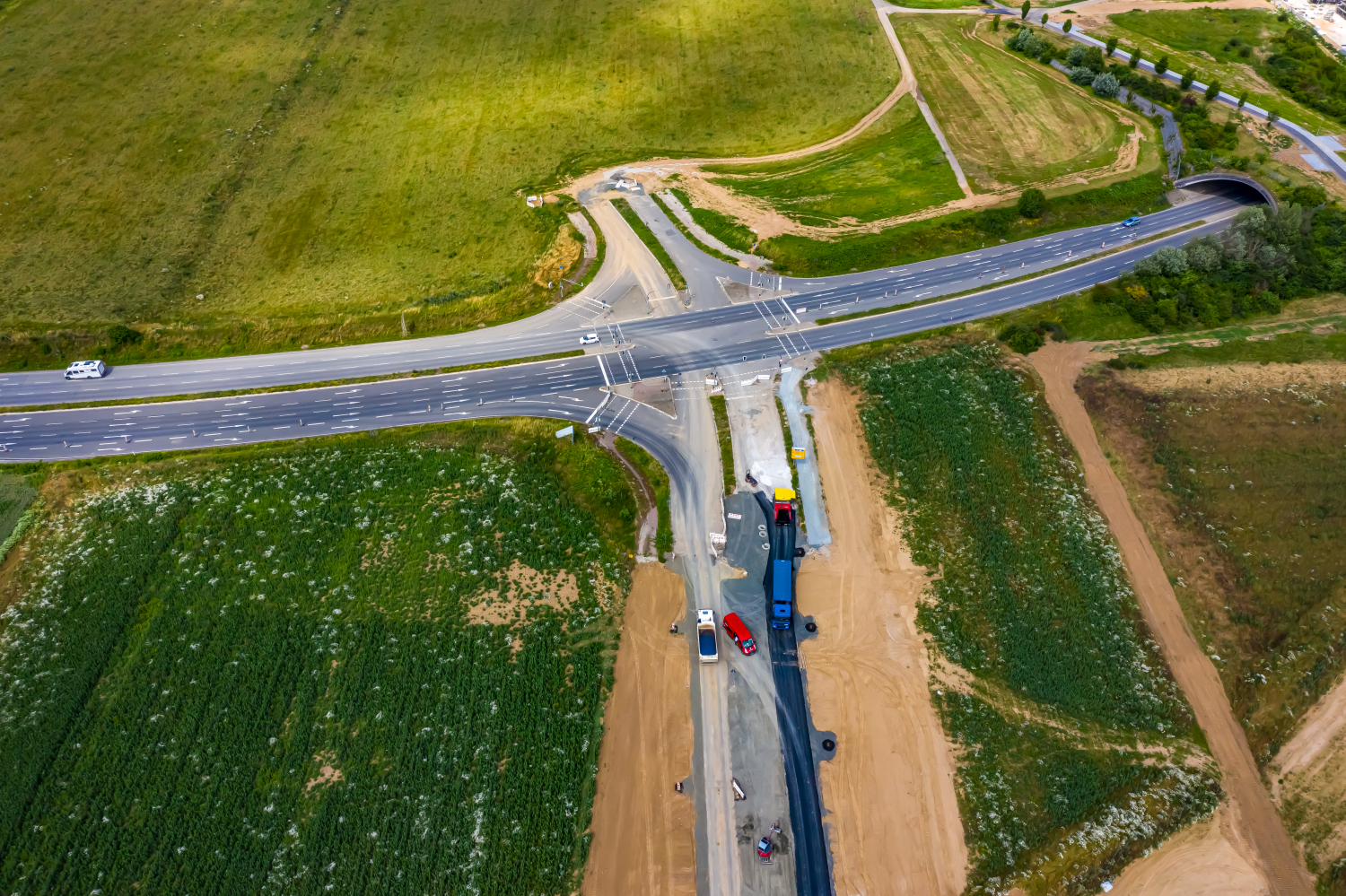
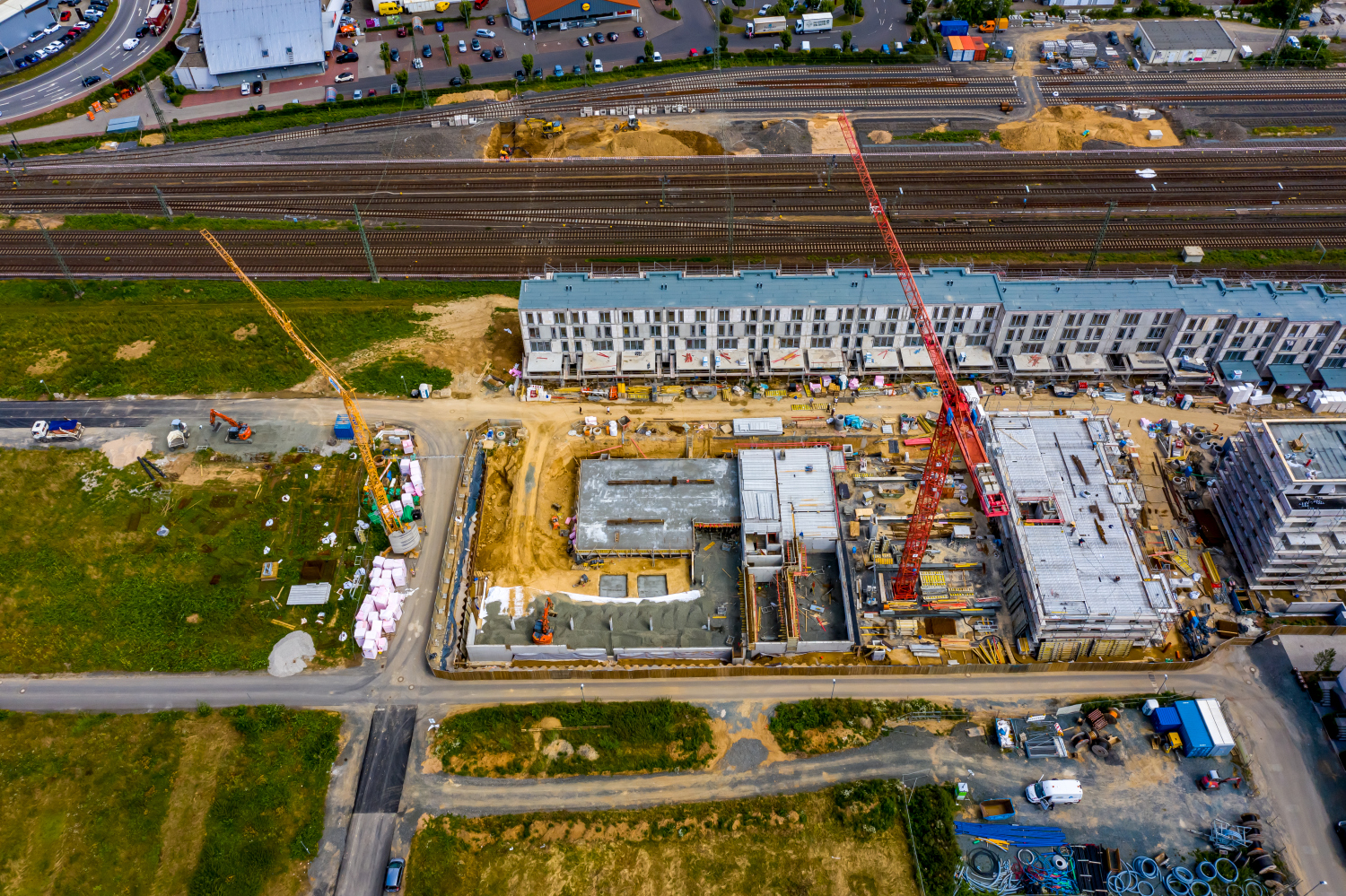
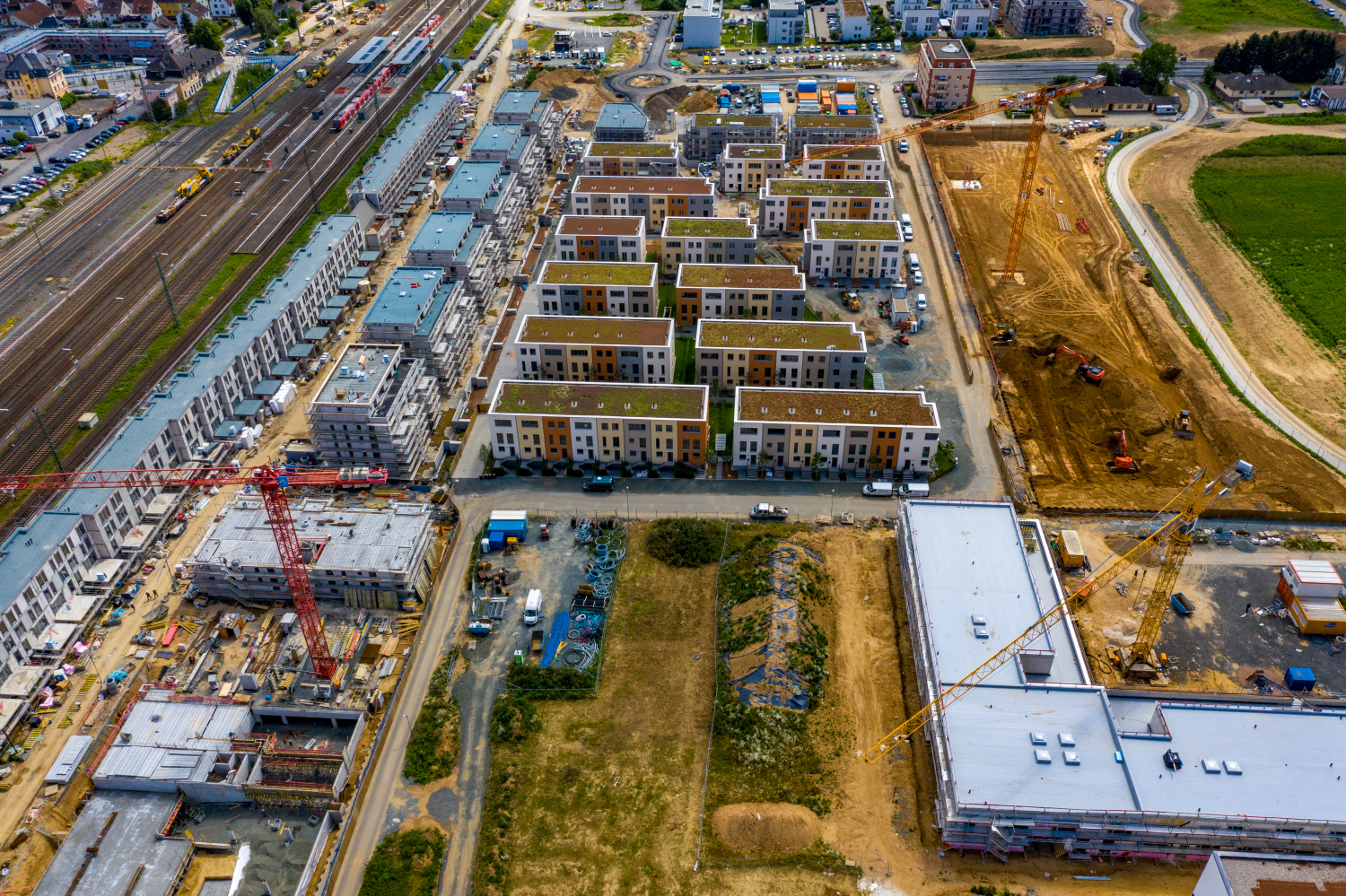
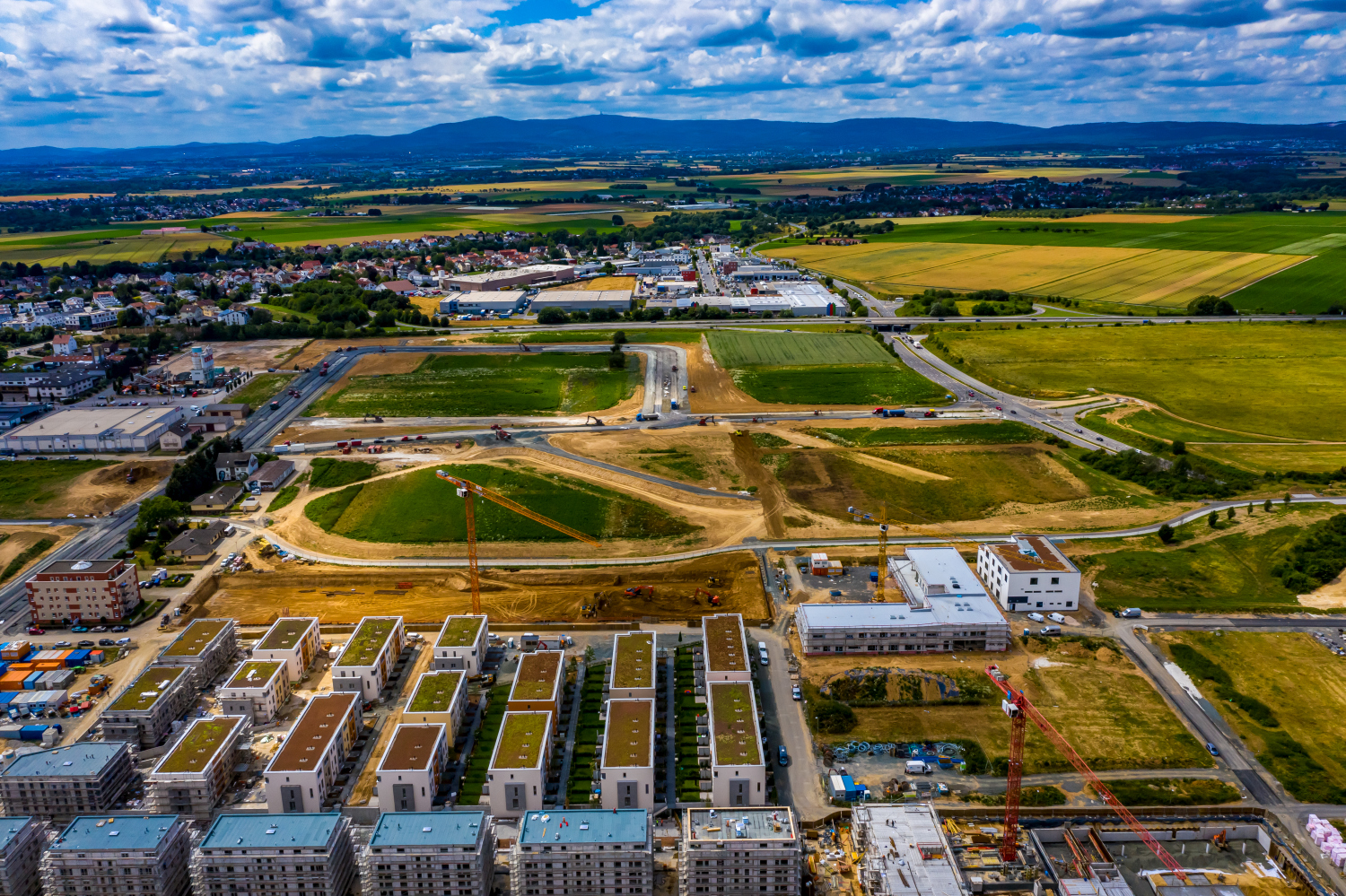
The series from Bad Vilbel focuses on an area under construction. Dark streets, rectangular plots and already occupied areas can be viewed side by side. The aerial photographs are therefore particularly suitable for describing a certain level of development in the urban area.
Read construction sites and development
In the Bad Vilbel series, the documented condition is more important than a general city silhouette. Vacant plots and already developed streets should appear in the caption as the situation at the time. This makes the recordings usable for later review.
When it comes to documentation, what matters most is which condition was recorded from which direction. Visible construction areas, paths already in use and open floor areas can be related to one another in the overview image. For later comparison, the chosen perspective should contain a fixed point that can be found even after the work has been completed. A neighboring street is usually better suited for this than a variable stack of materials. An exact statement of the time of recording, if known, is included in every published comparison.
Follow a line through the area
A traffic route gives direction to an aerial view. From above you can see where the route is, where it adapts to the terrain and where another path crosses it. An easily recognizable crossing is particularly useful for an illustration. It arranges the section in the larger network and brings together different proportions. A second look along the route can then show how the line from the first image continues into the adjacent landscape.
What becomes visible on the edge of town
On the edge of town, several scales come together in a small section. On one side there are individual buildings with gardens and driveways. On the other hand, a single open area sometimes takes up as much space as several streets. This change can be shown in the picture over a common edge. A section in which the border between the two areas remains visible even when displayed narrowly is suitable for a website. The motif then retains its local reference even in the mobile view.
Warm tones within the series
To switch between two of the 14 aerial photos, shot 8 and shot 7 can be called up directly in the gallery. In the second view, warm reds and browns have more weight than in the first. Red-brown and yellowish areas are particularly noticeable next to cooler surfaces. What is interesting when comparing is whether they are concentrated on a single object or appear spread out across the entire view.
Shot 1 and Shot 14 are among the views from June 30, 2020. According to the camera's time information, there are approximately 6 minutes between the two images. ISO 100 and an exposure time of 1/800 second are recorded for both files.
A moving view is also available. Under Aerial videos you can find the clip “Construction site Bad Vilbel Stadthäuser Stadtgarten”. The linked preview leads to inclusion in the aerial photographer's portfolio on Adobe Stock.
An image for spatial documentation
For documentation over several years, the exact excerpt is just as important as the date it was taken. It makes sense to have a fixed reference point that should also exist at the next appointment. Temporarily parked vehicles are of little help. A street intersection or the corner of a building is usually easier to find again. An aerial photographer can record the direction of view along with the image number. If you later put two prints next to each other, you can more easily see the difference between a structural change and a simply different perspective.
Related motifs in the aerial photo archive
Two additional views can be used in the archive for comparison. The first can be found at RTW West near Eschborn from a bird's eye view. At Eschborn, the course of the regional tangent west can first be recognized by the breaks in the green. The second belongs to the article Bad Soden. Above Bad Soden, the distant buildings are lost in the haze, but the houses in the foreground remain easily distinguishable.
Aerial photos of Bad Vilbel
Request a quote10 things you should know about Bad Vilbel
The location of Bad Vilbel
Bad Vilbel is located in the Darmstadt administrative district in Hesse. It is part of the district town of Offenbach am Main and has around 19,000 inhabitants.
Bad Vilbel has been known since 1161, when it was founded by Emperor Friedrich I Barbarossa. At that time it was a pagan place where water healers worked. In the 14th century, Bad Vilbel became an ecclesiastical center and developed into an important health resort.
Today Bad Vilbel is a popular tourist location where many sights and attractions can be found. There are several hot springs that can be used for hot baths and a variety of shops and restaurants where one can eat or shop. Those interested in culture will also find what they are looking for in Bad Vilbel, as there are many museums and theaters here.
Sights in Bad Vilbel
The city of Vilbel is rich in sights that are worth visiting. One of the most popular attractions is the outdoor swimming pool, which is located in the center of the city. The outdoor pool is open every day from 6 a.m. to 10 p.m. and offers a great atmosphere for all ages. There are different areas for children and adults, a water playground and even a wellness area with a sauna and steam room. The public swimming pool in Vilbel is also very popular. It is located in the immediate vicinity of the center and offers everything your heart desires: from slides and sauna areas to massage and cosmetic studios.
Travel to Bad Vilbel
Bad Vilbel is a beautiful city on the Lahn that has many sights to offer. If you want to travel to Bad Vilbel, you should definitely take the time to explore this city. Here are some things you should know about Bad Vilbel:
1. The Lahn is the main attraction of Bad Vilbel. This river offers both water sports enthusiasts and anglers the perfect opportunity to rest and relax.
2. The city is close to the Rothaar Mountains, which means it is also a perfect starting point for hikes.
3. Bad Vilbel is known for its healing springs and thermal baths. These baths are particularly suitable for people with rheumatism or similar illnesses and can help them relieve their pain.
4. There are also some historical buildings to see in Bad Vilbel, including Wilhelmshöhe Castle and the Old Town Hall. Both buildings are very elegant and suitable for a vacation in this beautiful city.
Hotels in Bad Vilbel
1. Bad Vilbel is a well-known and popular travel destination in Hesse.
2. The city is located at the foot of the Taunus, about 30 minutes from Frankfurt.
3. Bad Vilbel offers a variety of hotels, from budget guesthouses to modern suites in the city center.
4. Most of the hotels are located on Königsstraße, the center of Bad Vilbel.
5. Some of the best hotels in Bad Vilbel are the Hotel Villa Marguerite, the Hotel Rheinischer Hof and the Steigenberger Grandhotel Bremen.
Eating and drinking in Bad Vilbel
Bad Vilbel is known for its delicious specialties and excellent ambience. Here are some of our favorite places to eat and drink:
1. Café am Brunnenplatz – The Café am Brunnenplatz is our favorite place for a coffee or tea at any time of the day. The ambience is modern and stylish, and the food and drinks are outstanding!
2. The Wine Bar – The wine bar is a great place to spend a nice evening with friends or family. The selection of wines and other drinks is great, and the food is very good too.
3. The Italian - If you want to enjoy Italian cuisine, you should definitely visit the Pizzeria Der Italianer in Bad Vilbel! The pizza here is absolutely heavenly!