 F4LUFTBILDER
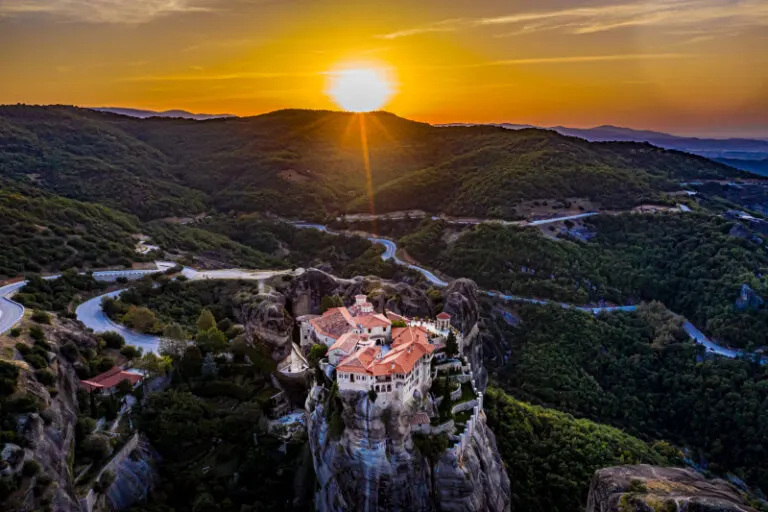


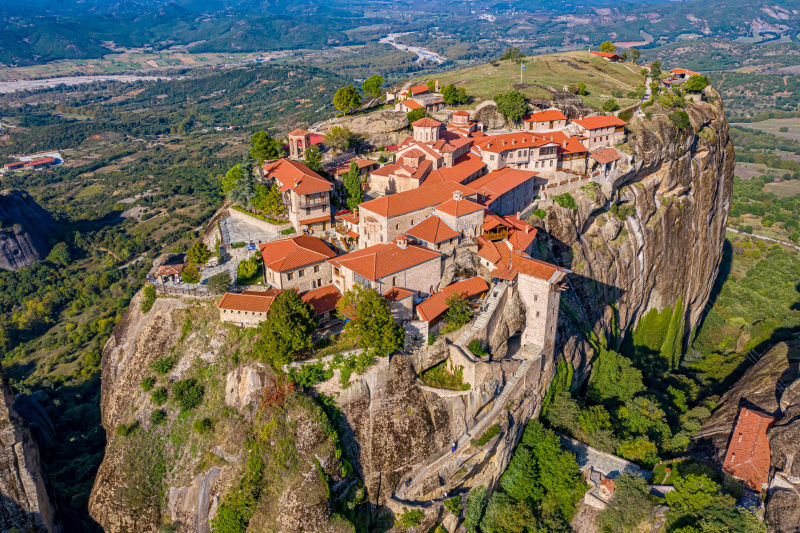
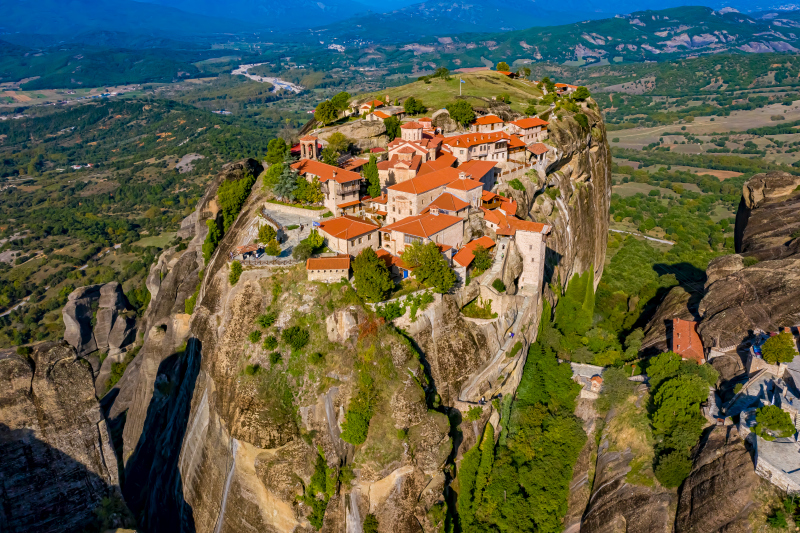
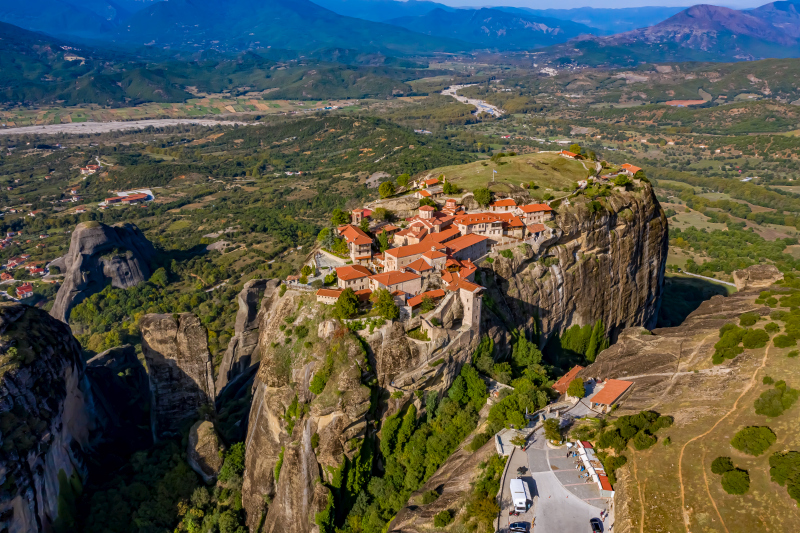
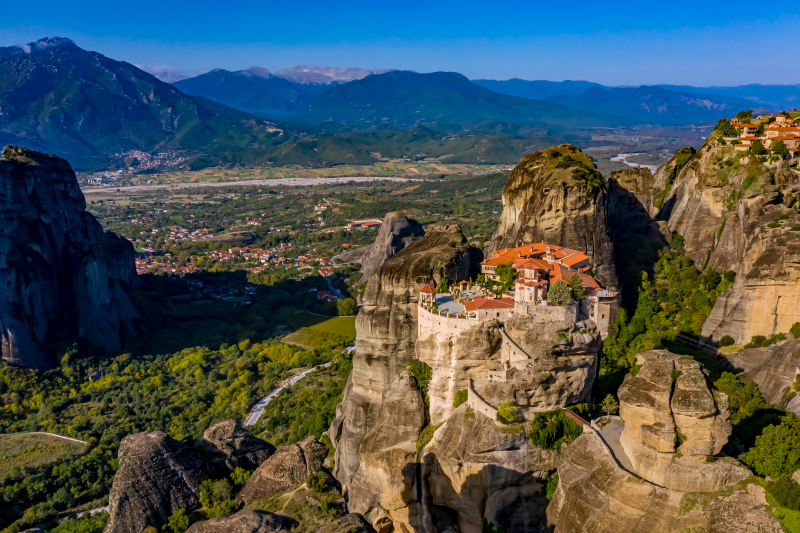
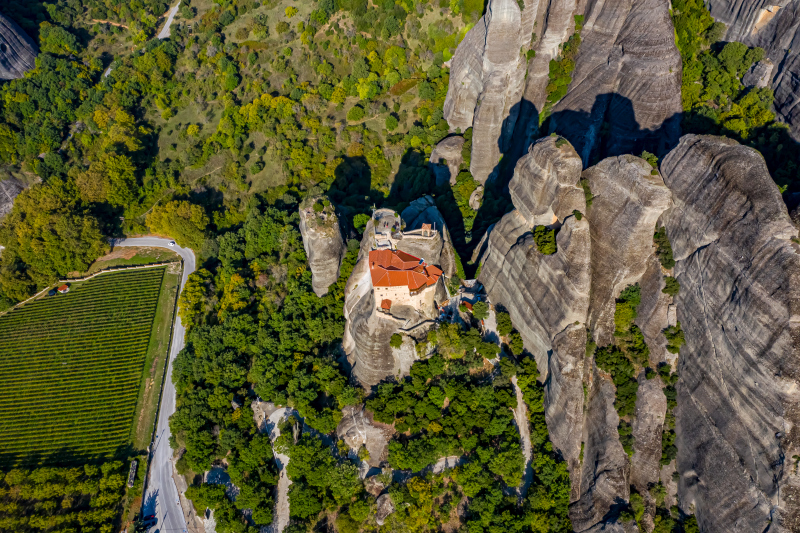
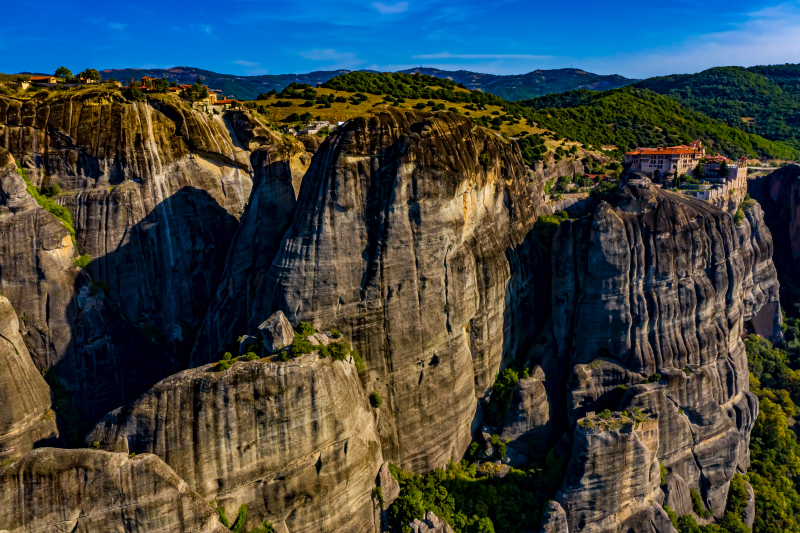
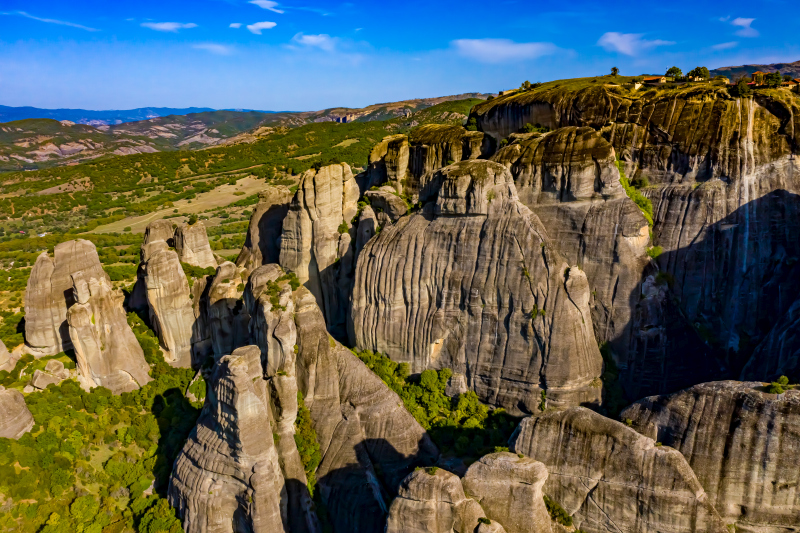
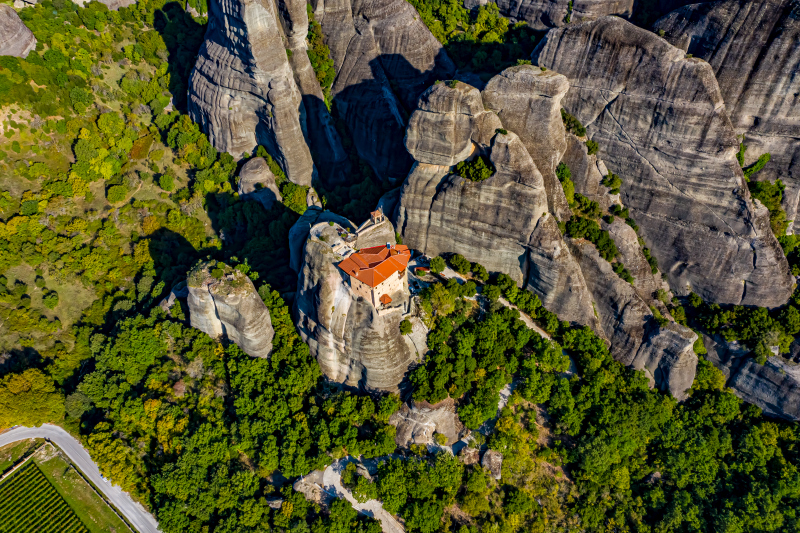
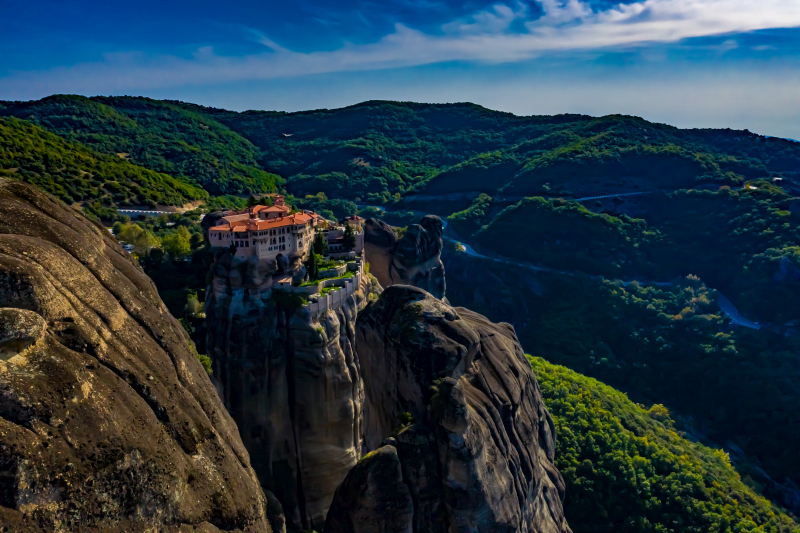
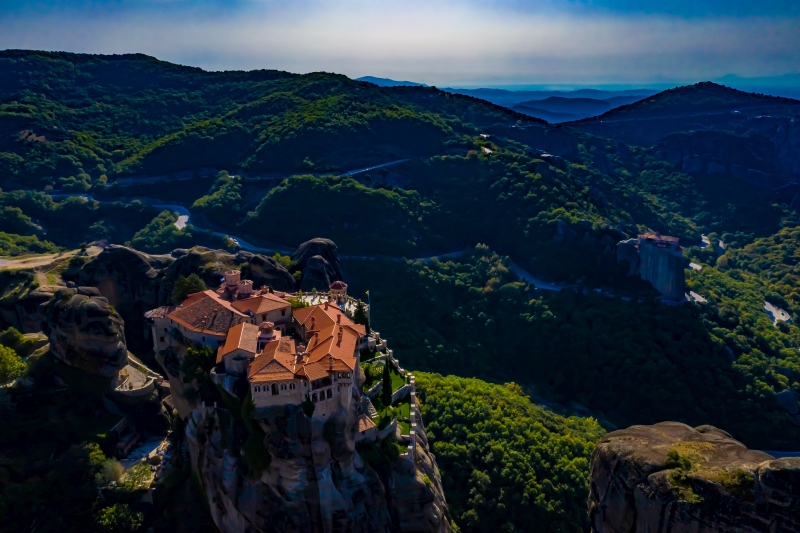
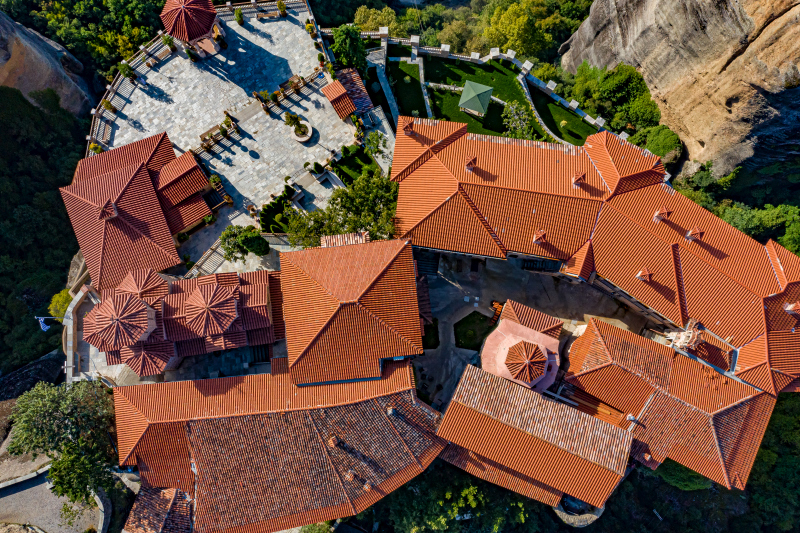
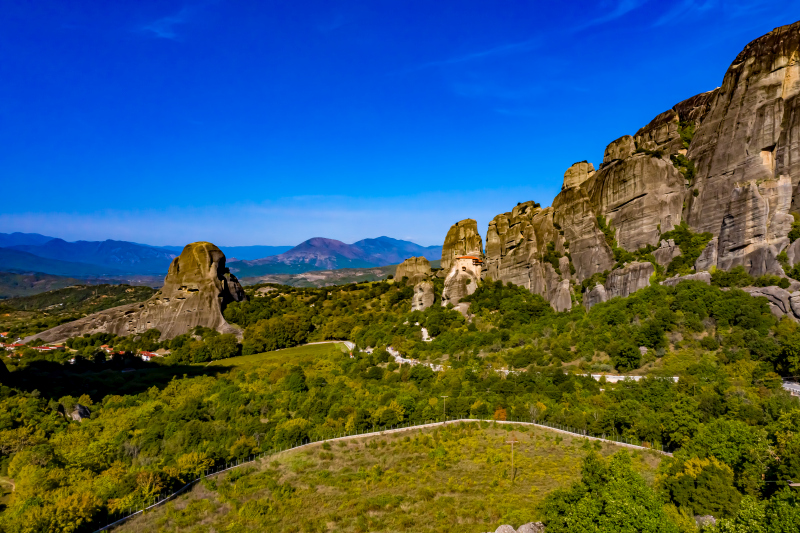

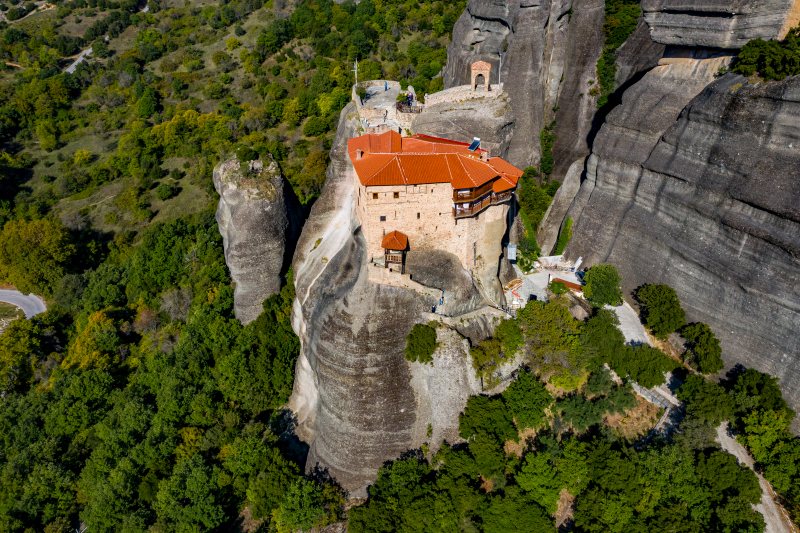
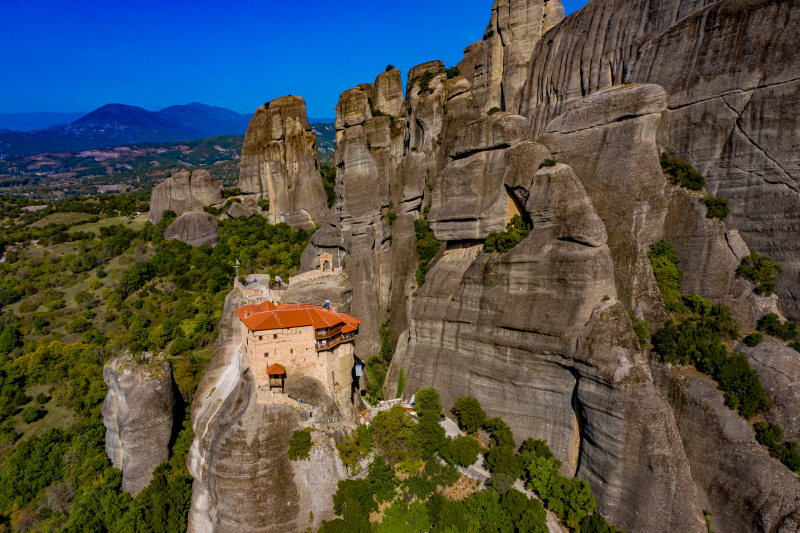
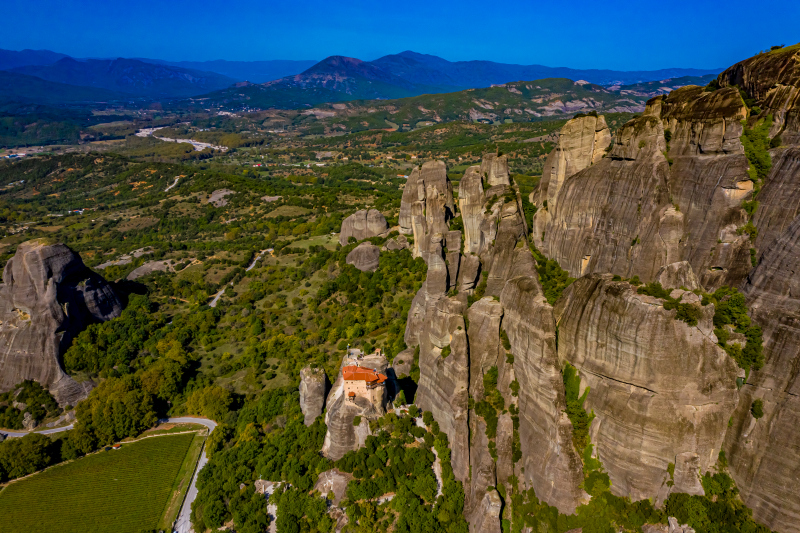
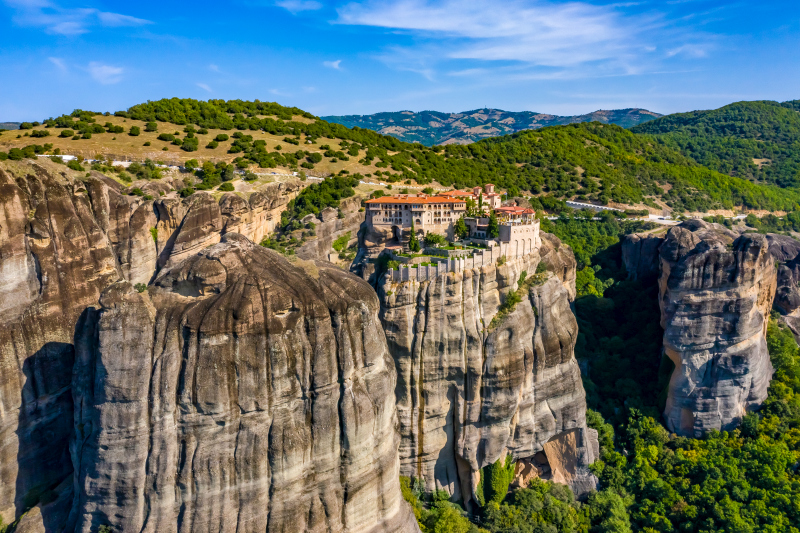
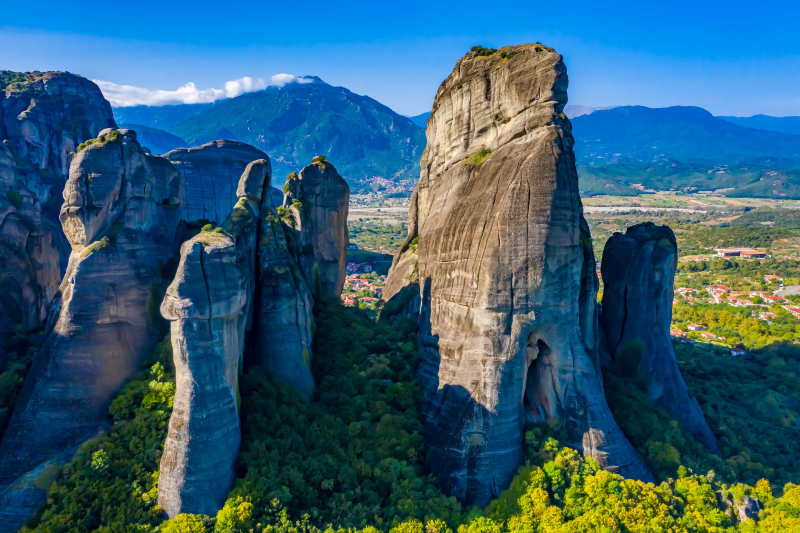
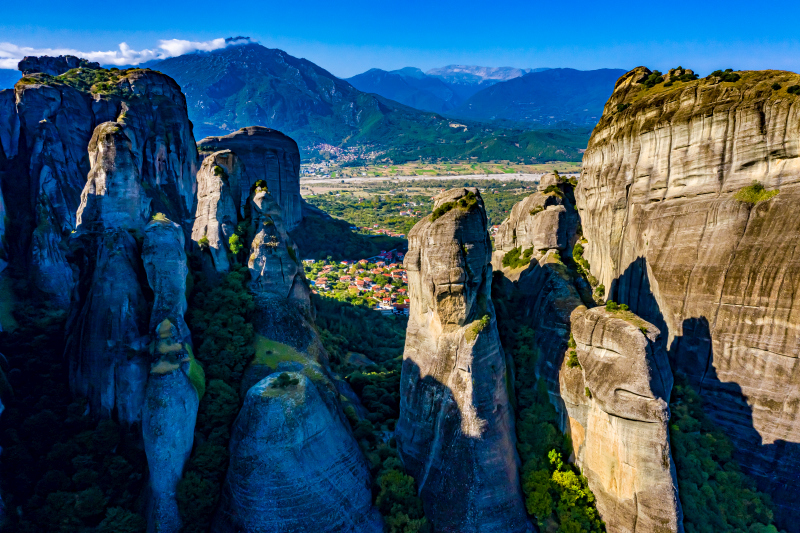
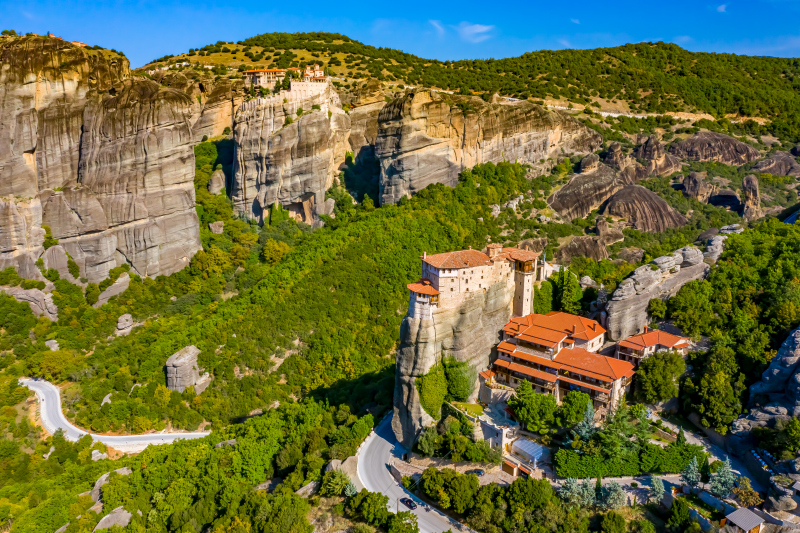

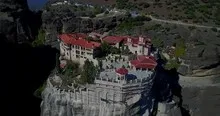
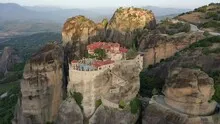
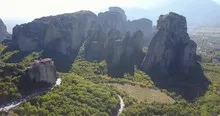
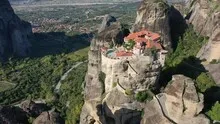
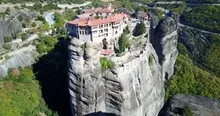
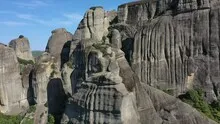
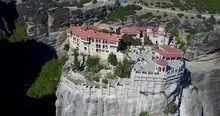
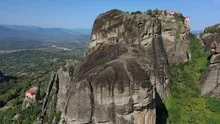
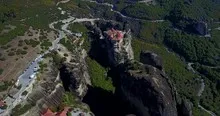
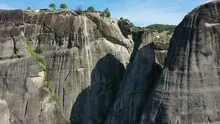
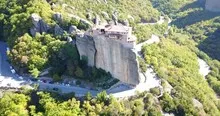
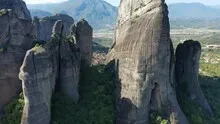
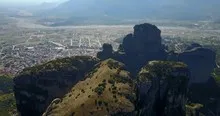
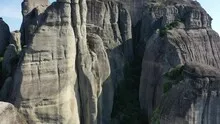
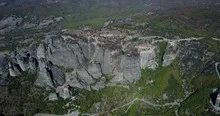
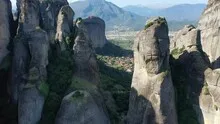
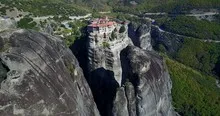
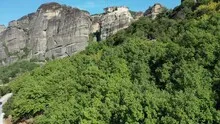
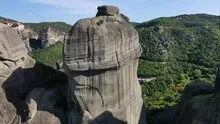
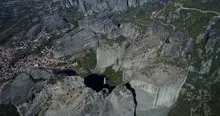

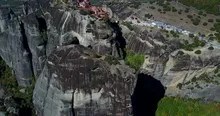
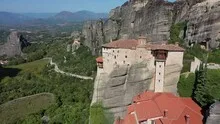
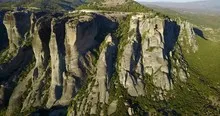
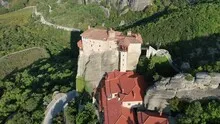
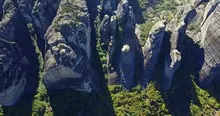
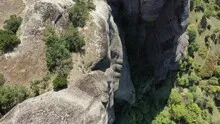
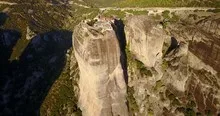
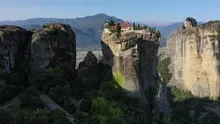
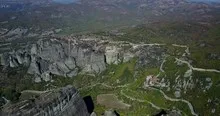
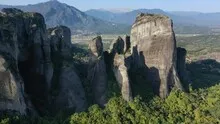
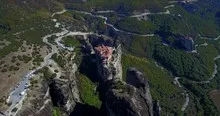
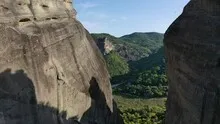
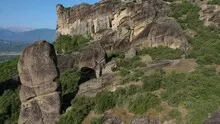
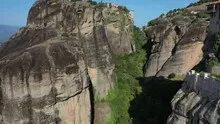
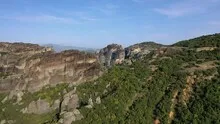
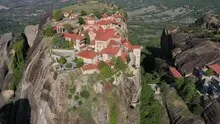
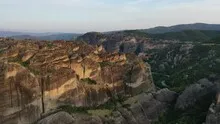

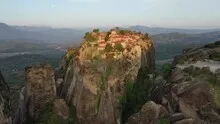
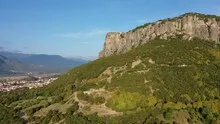
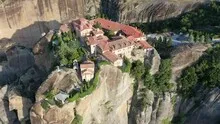
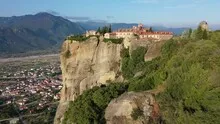
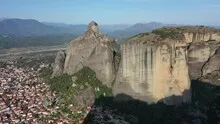
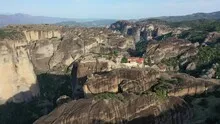
Meteora between the monastery roof and the rock face
At the Meteora monasteries, red roofs meet steep rock faces. When viewed from a steep angle, the built-up area appears surprisingly small. From the side you can see the height between a monastery courtyard and the wooded valley floor.
How the rocks determine the monastery floor plan
In Meteora, the rock and the monastery share a visible outer edge. Only the roofs make it clear how narrow the buildable area is on some of the high rock towers.
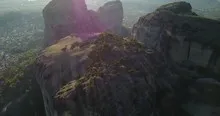
Rock surfaces are often harder to read in an aerial photograph than their sharp outline suggests. A dark area can be a deep crevice or just in shadow. The connection of several visible edges provides information. Where they converge and cover a surface, a spatial jump is understandable. A location with clear rock contours is suitable for publication with smaller images. In a larger format, the eye can wander more over the finer differences in the surface.
Church building and neighborhood
A church can often be identified in the townscape by its height. In an aerial view, the arrangement of the roof surfaces also helps. It shows the length of the ship, the orientation of the building and its relationship to paths and adjacent areas. A particularly clear angle is where the tower only covers a little of the rest of the building. To create a portrait of the location, some of the surroundings can be included in the picture. Only it turns the individual church building into a concrete place with a neighborhood.
The graduation of the mountain ranges
The silhouette of a mountain range is a good way to start looking. First you notice the highest point, then the succession of saddles and flatter sections. In an oblique shot, this profile connects with the shapes in the foreground. A steeper perspective takes more interest in the surface of the slope. A direct comparison makes it understandable why a location can change significantly when the viewing angle changes, even though the recognizable heights in the background remain the same.
The distribution of blue tones
To switch between two of the 80 aerial photos, shot 74 and shot 70 can be called up directly in the gallery. In the first excerpt, shades of blue play a smaller role. In the second shot, blue areas take up more space. Blue can extend over a large contiguous area or only appear in individual parts. What also counts for the effect is whether these areas extend to the edge of the picture or surround the main subject.
Shot 1 and Shot 80 are among the views from October 3, 2020. According to the camera's time information, there are approximately 204 minutes between the two images. The exposure time was 1/200 second for the first of the images mentioned and 1/800 second for the second.
For a selection of moving images, the gallery contains 47 linked clips. Among them is “Meteora Monasteries in Greece”. Under Aerial Videos the preview leads to the aerial photographer's respective offer at Adobe Stock.
Show the proportions of the landscape
For a series of natural history images, an observable form is the best starting point. Where does a surface end, what structure continues next to it, and how much environment do you need to tell the two apart? The questions can be followed directly from the photo. Statements about origin, depth or age, however, require additional sources. An aerial photographer can capture the visible traces and draw attention to a detail. In the later caption you can then clearly explain what can be seen in the photo and what comes from the technical classification.
Related motifs in the aerial photo archive
Two additional views can be used in the archive for comparison. The first can be found under Bulgaria – Rila Monastery. In the Rila Monastery, the red roofs form an almost closed enclosure around the courtyard and the church. The second belongs to the article Romania – Cheile Turzii. In the Cheile Turzii gorge in Romania, bright rock faces stand above a green valley floor.
Aerial photos of the Meteora monasteries
Your aerial photographer across Europe
Request a free quote