 F4LUFTBILDER
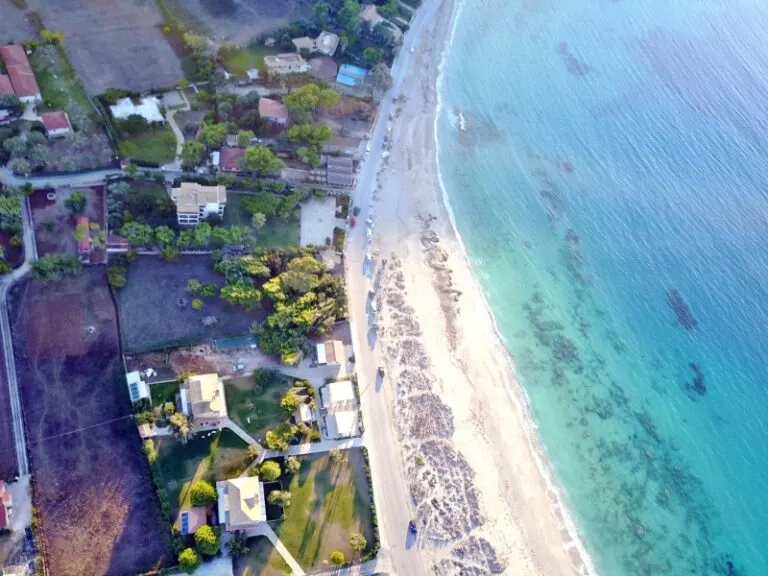


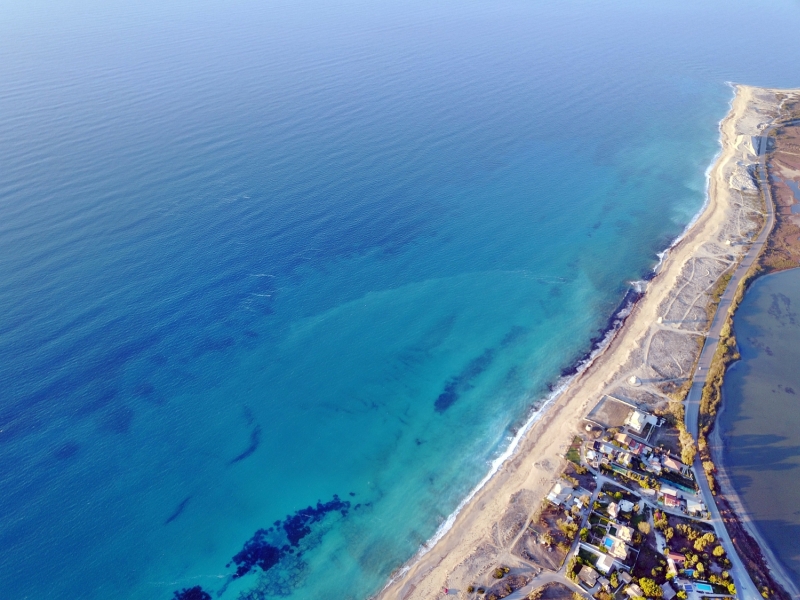
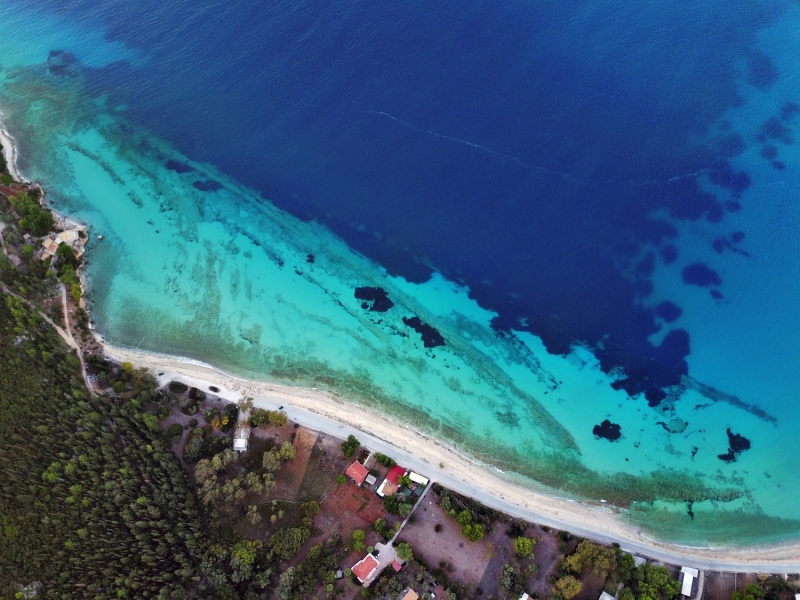
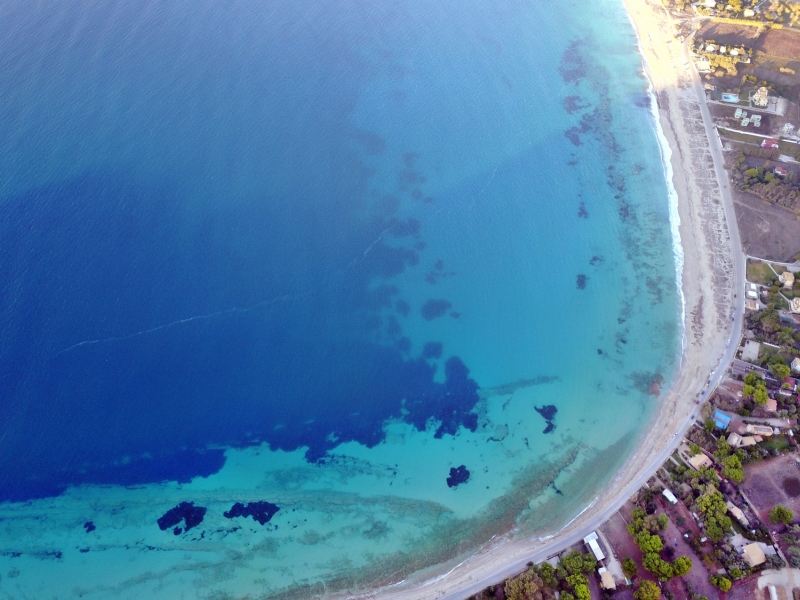
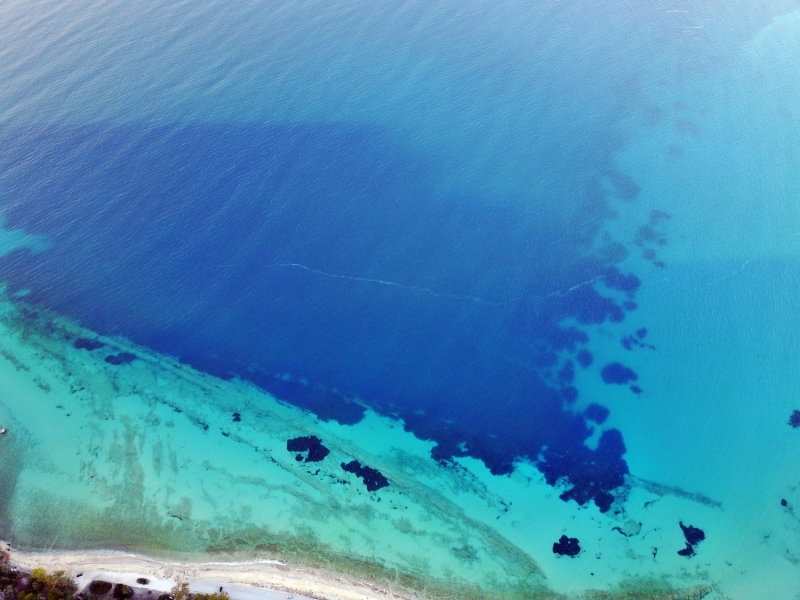
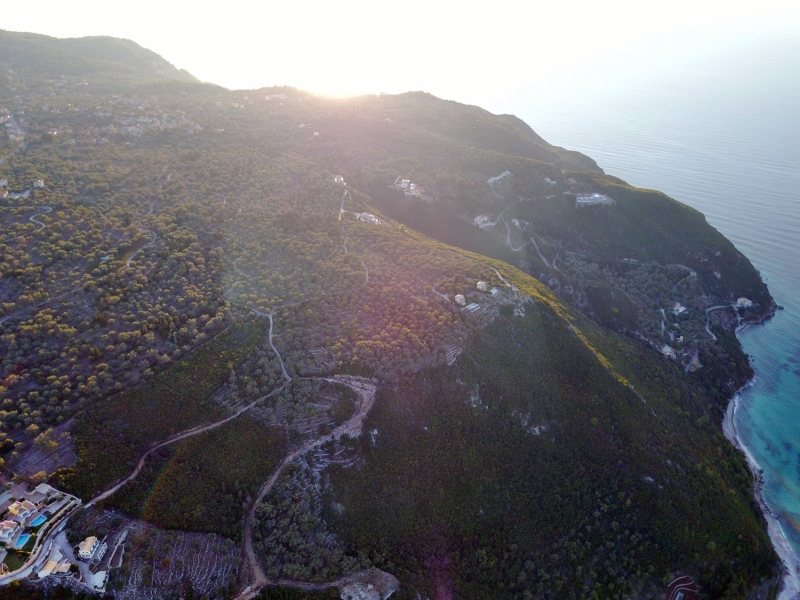
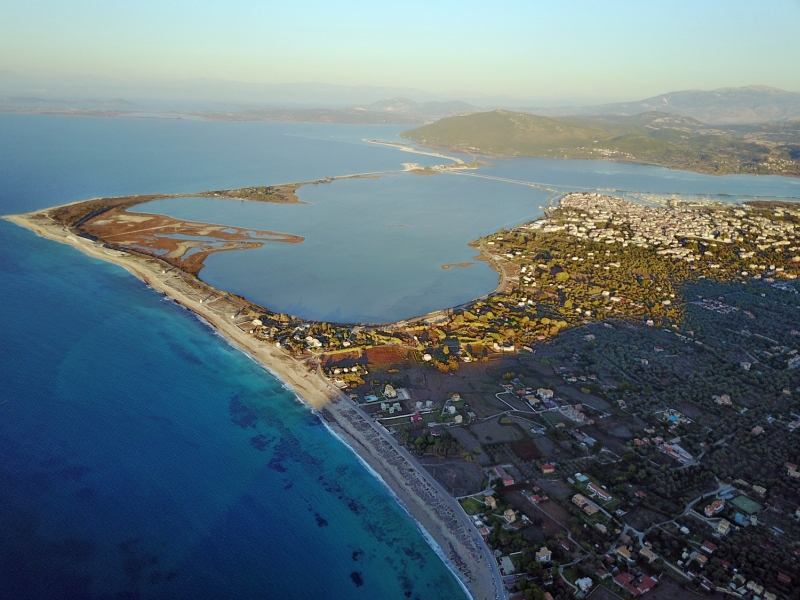
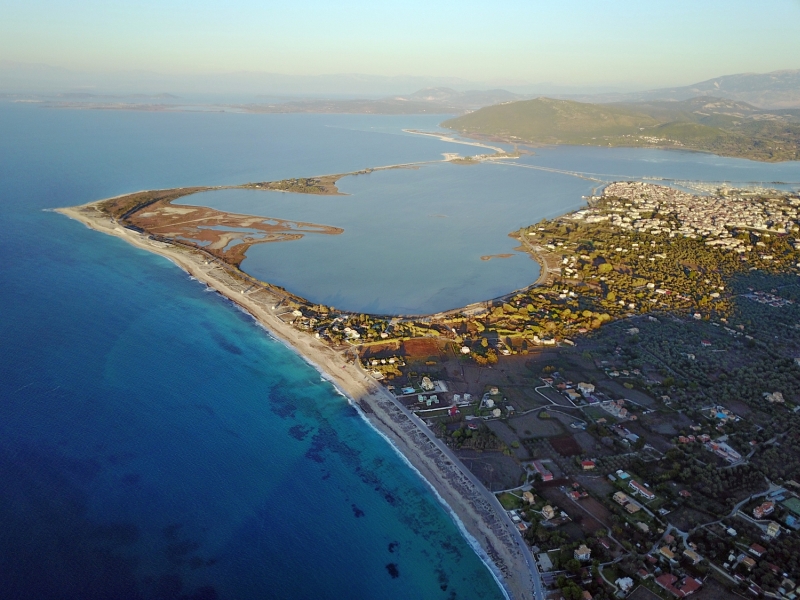
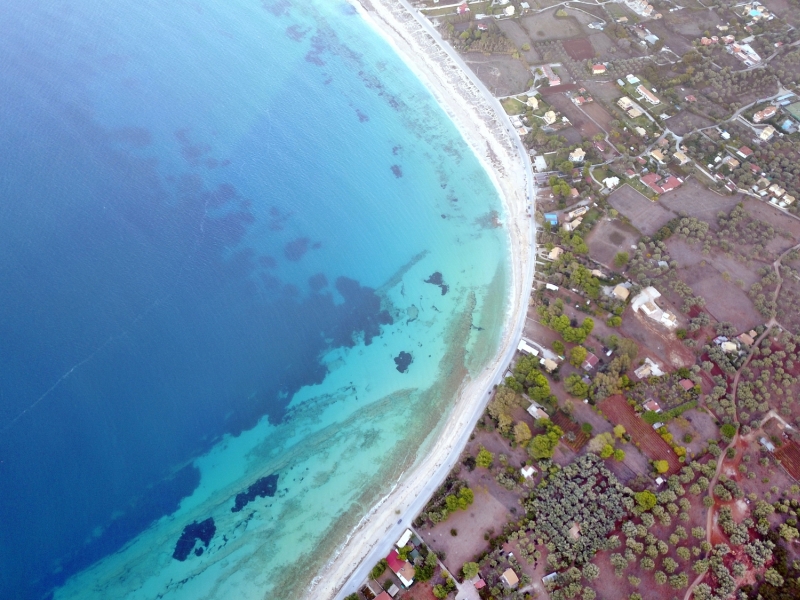
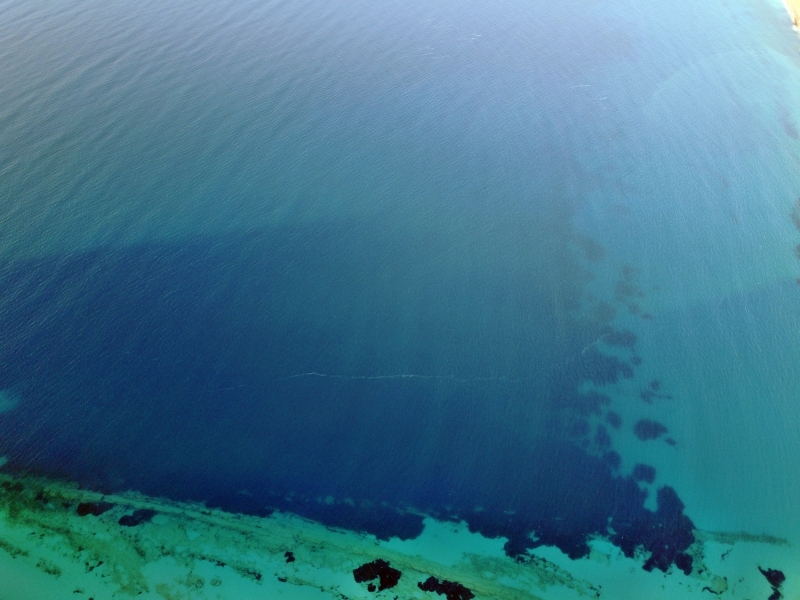
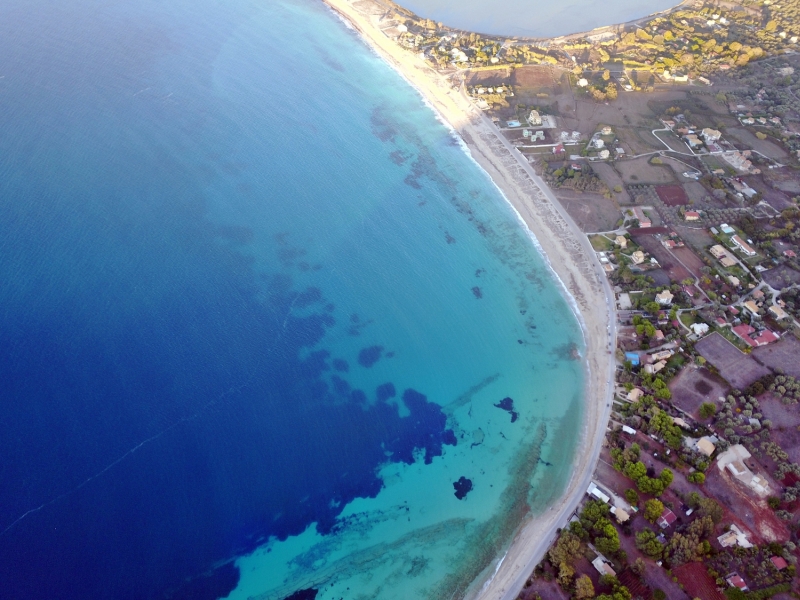
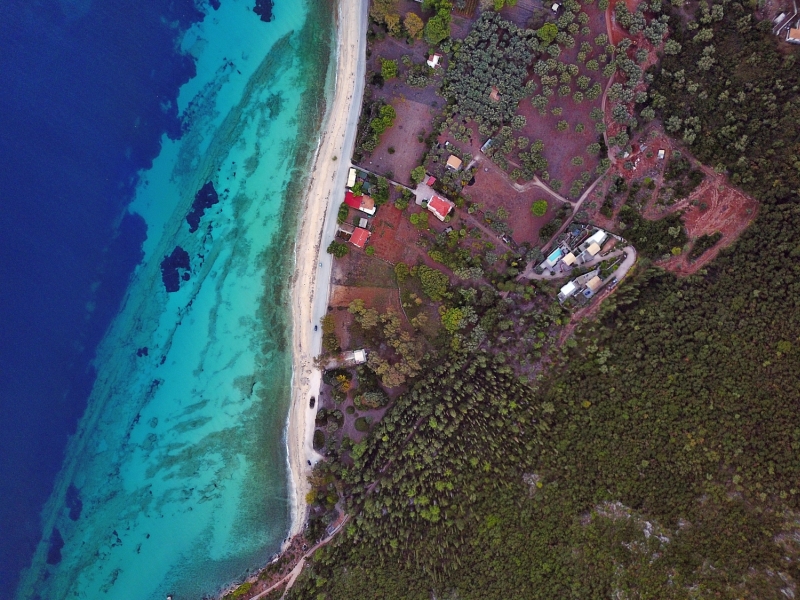
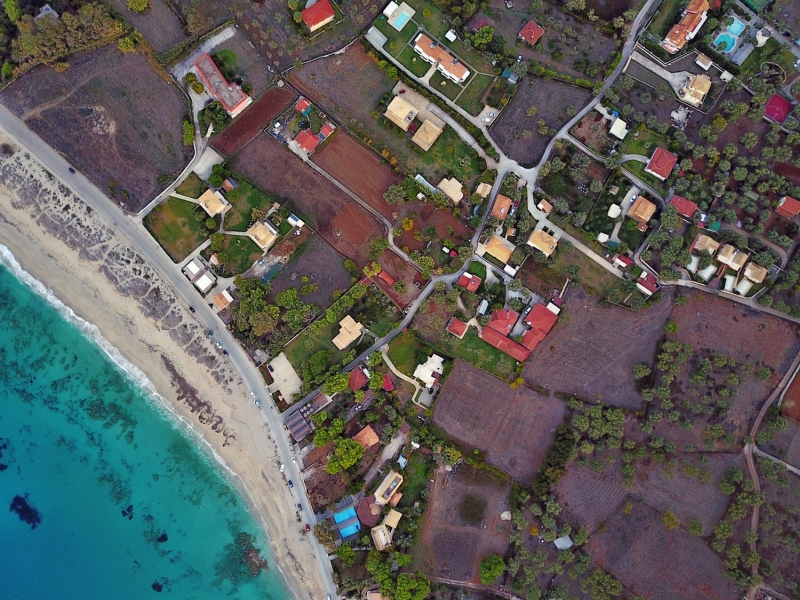
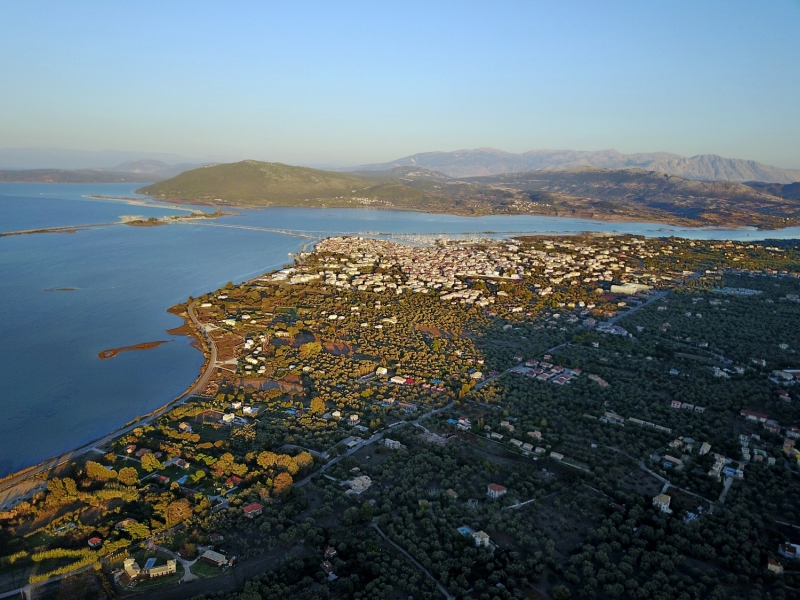
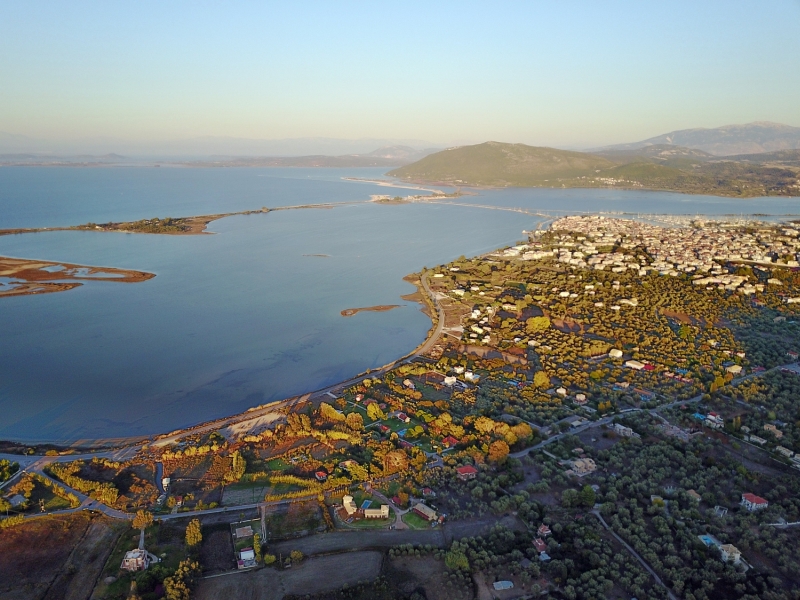
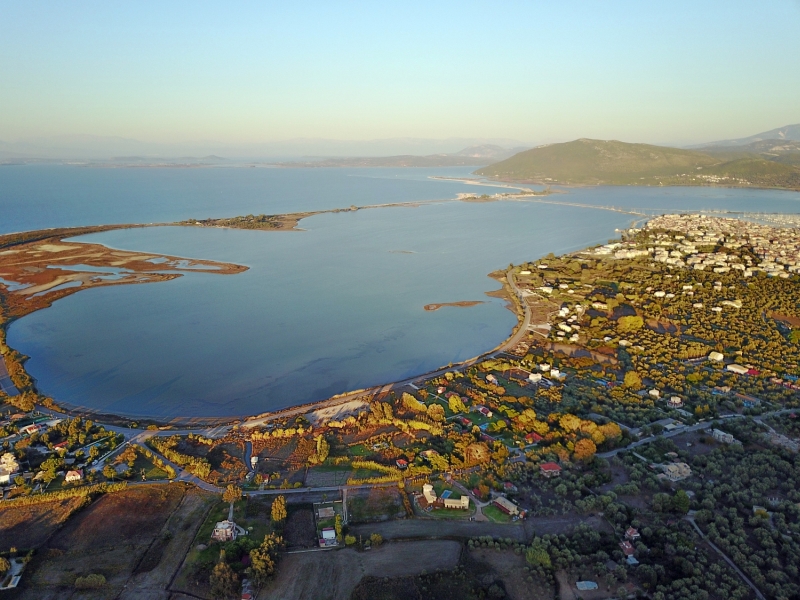

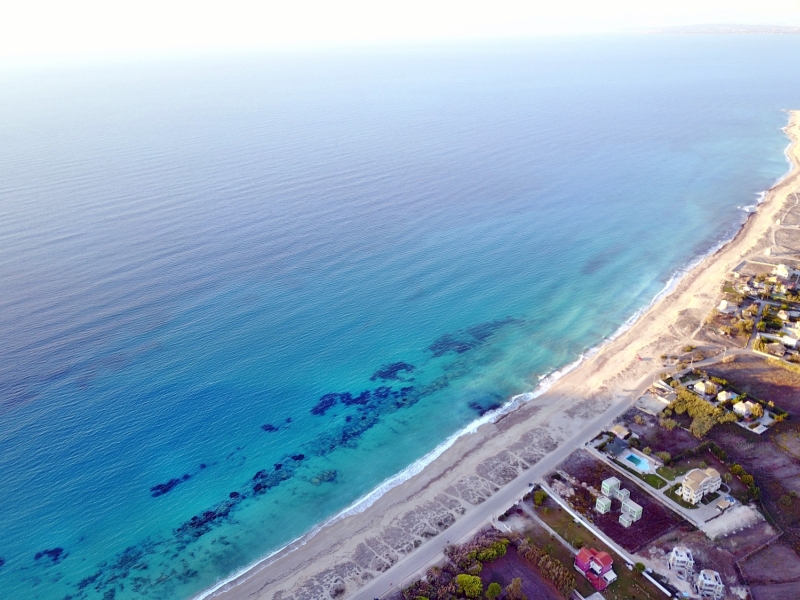
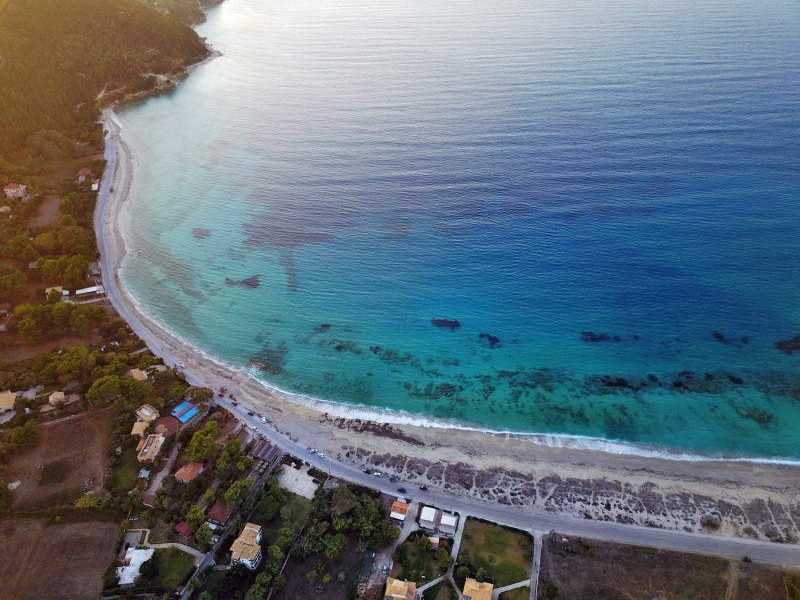
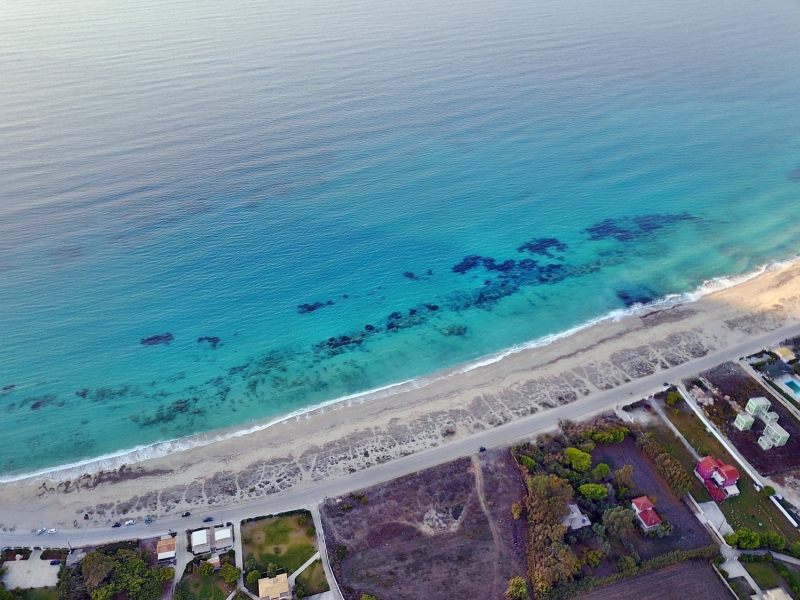
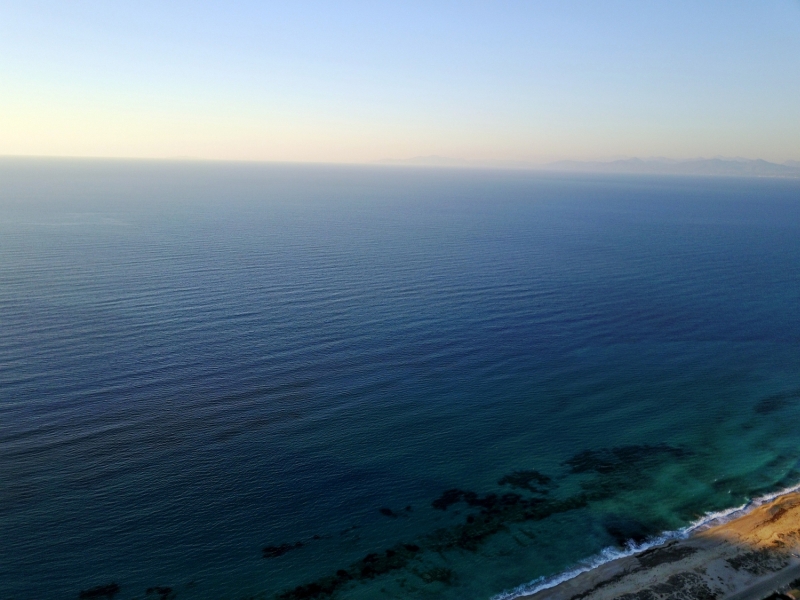
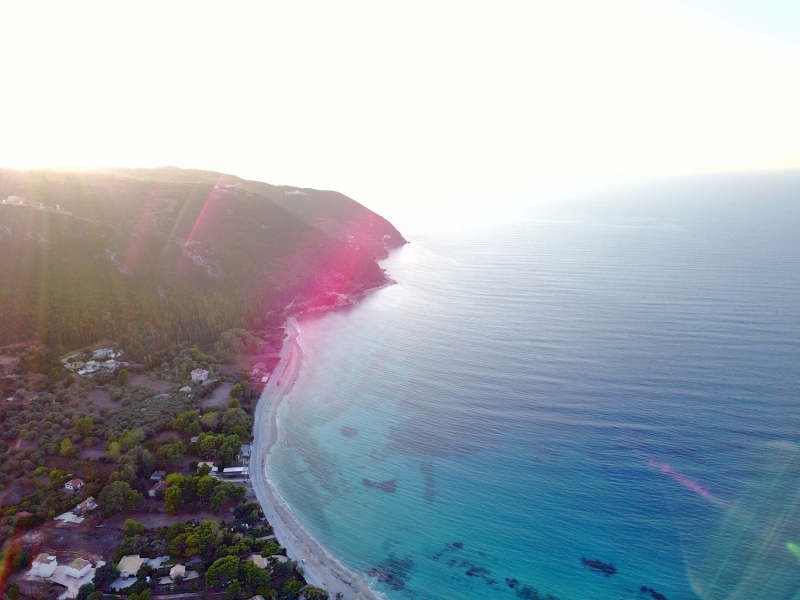
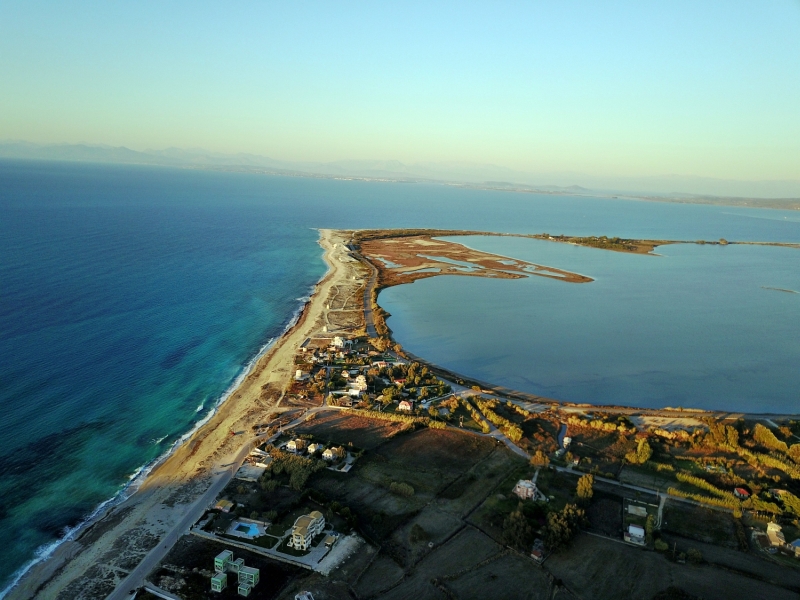
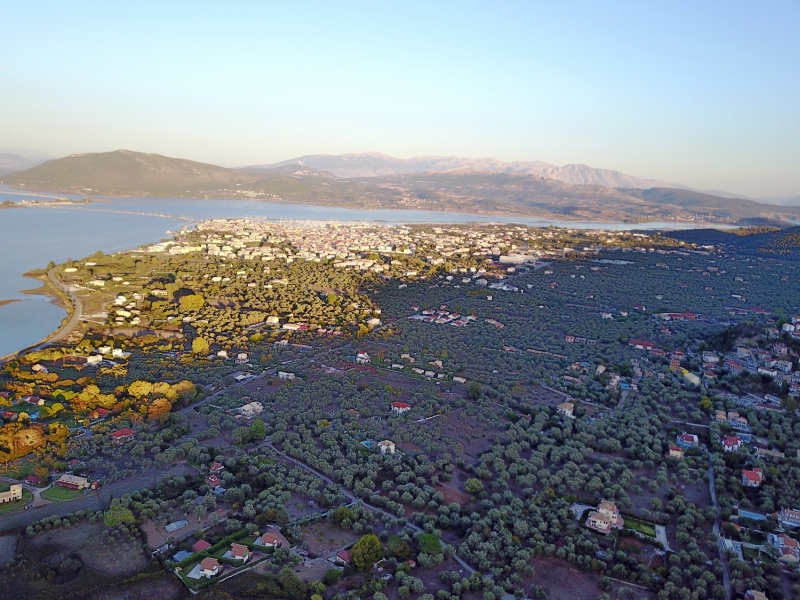
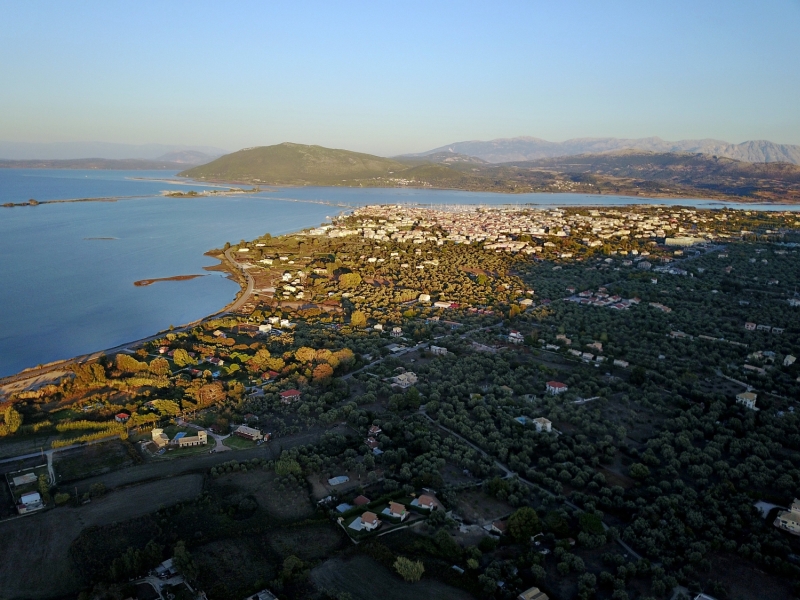
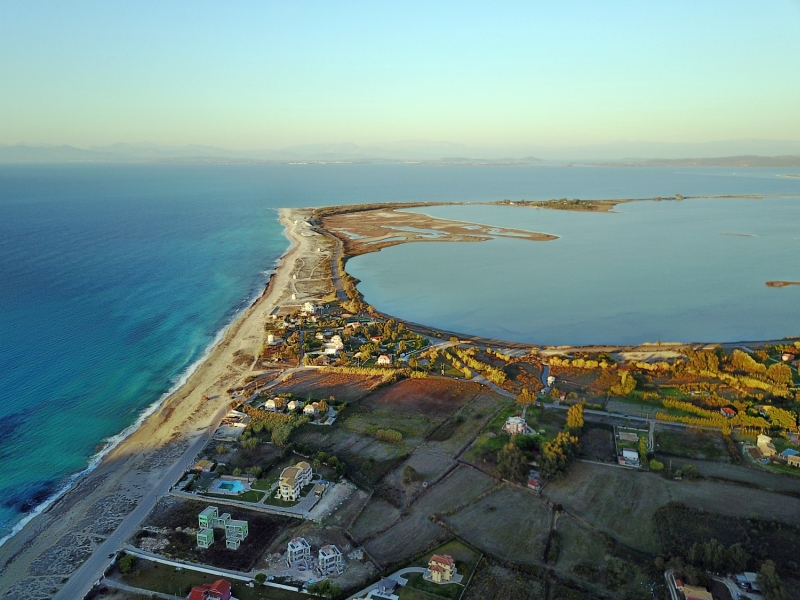
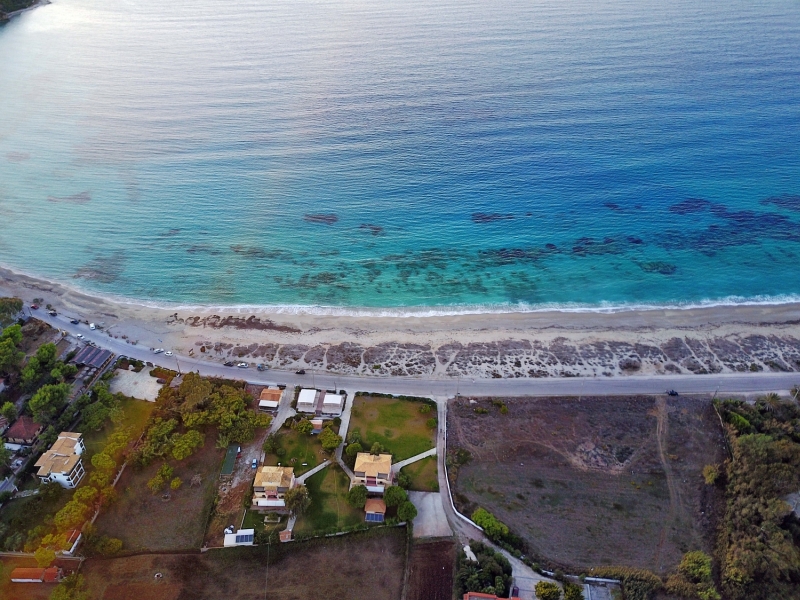
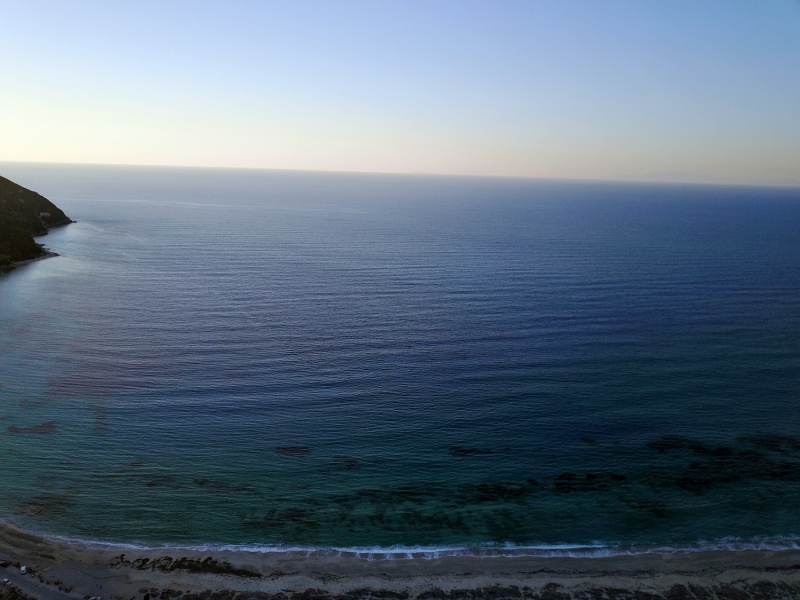
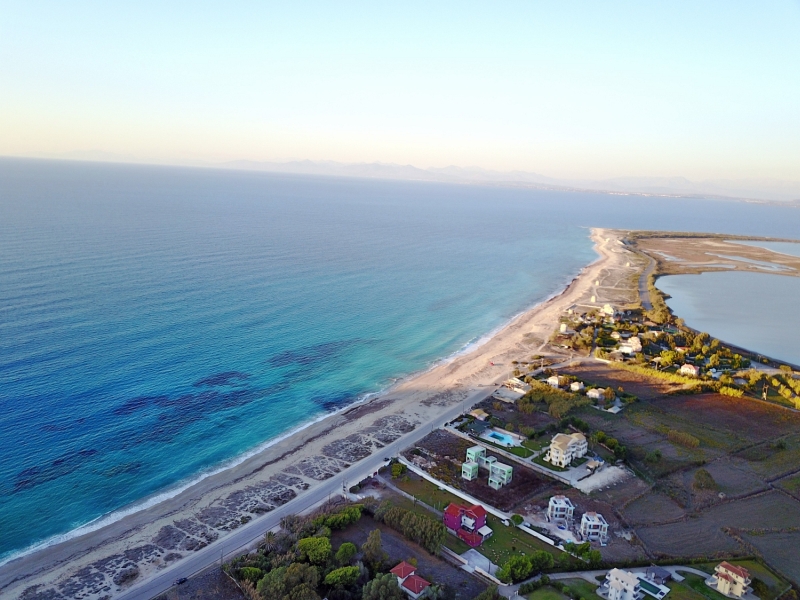
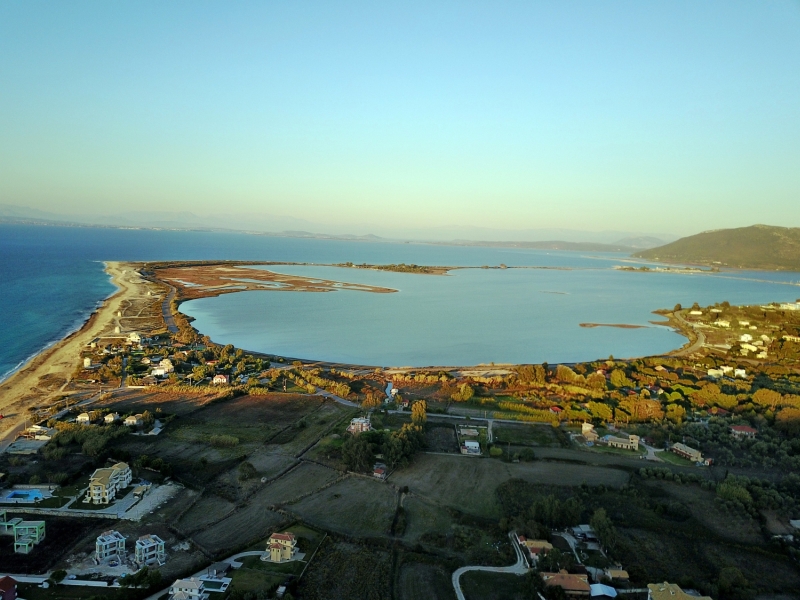
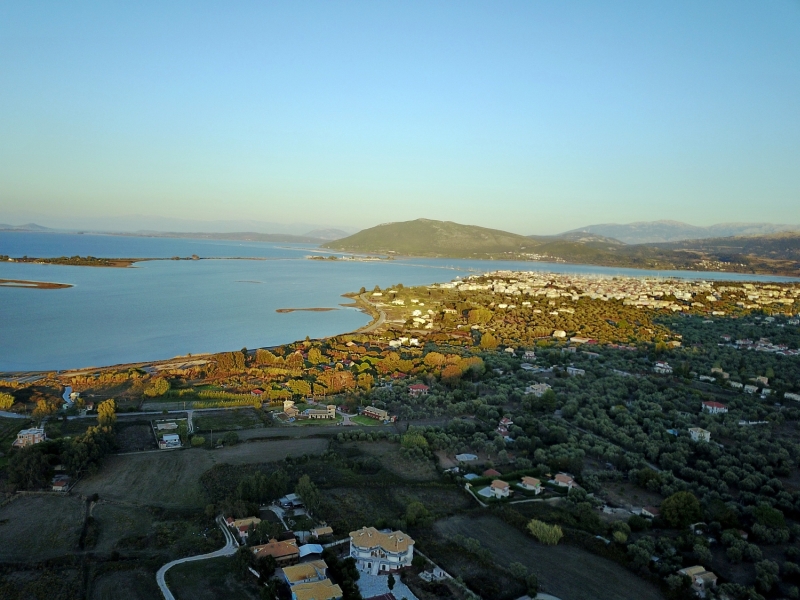
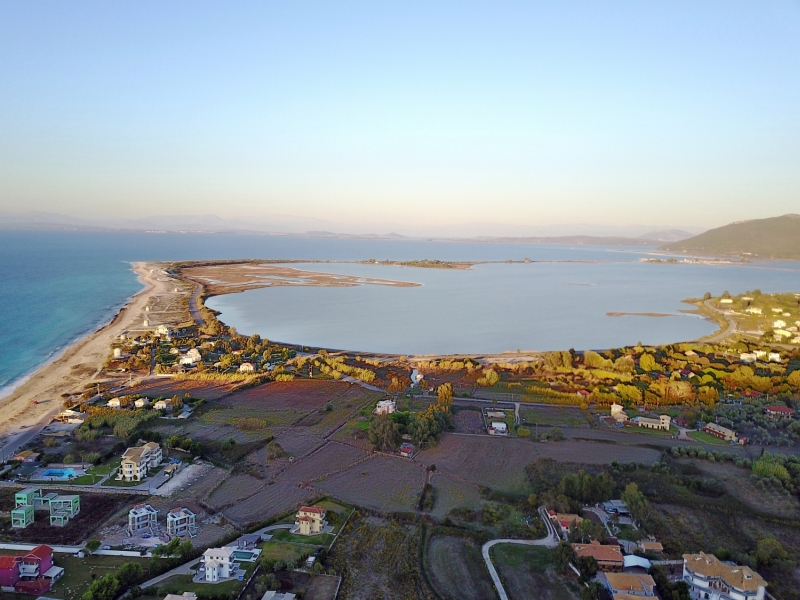
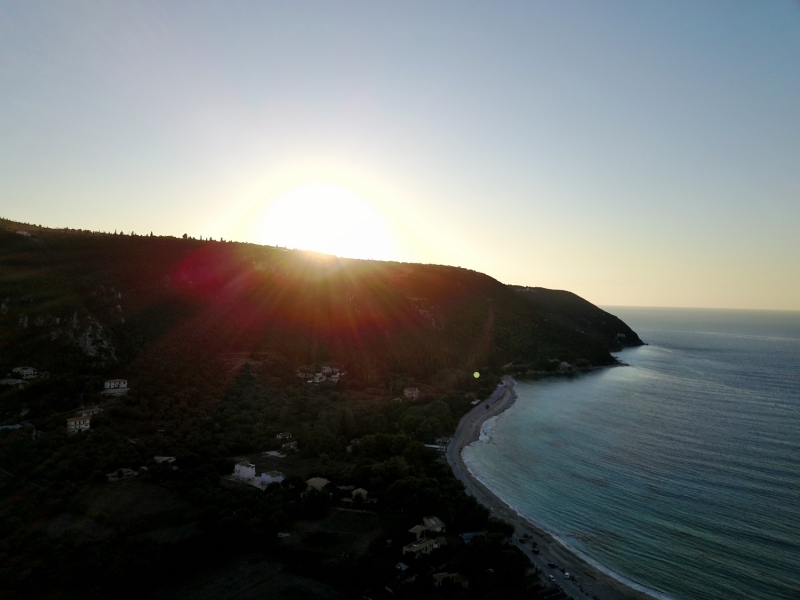
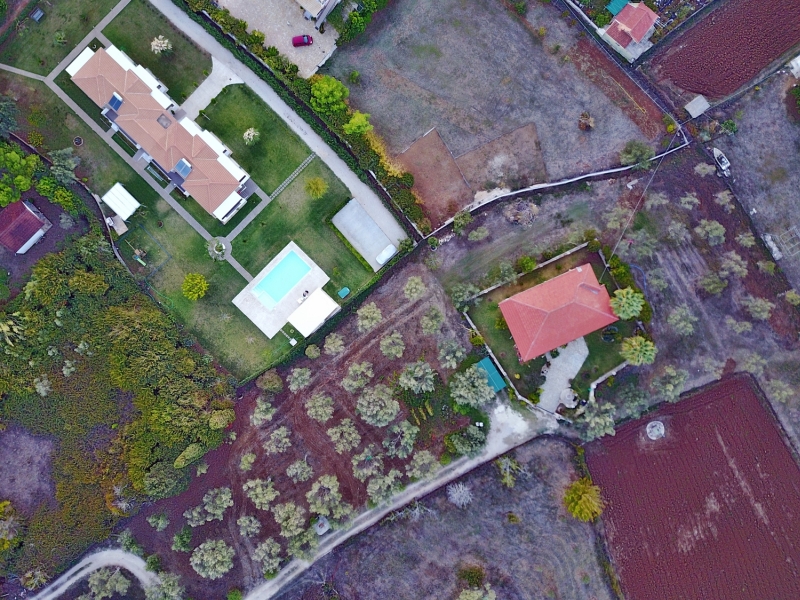
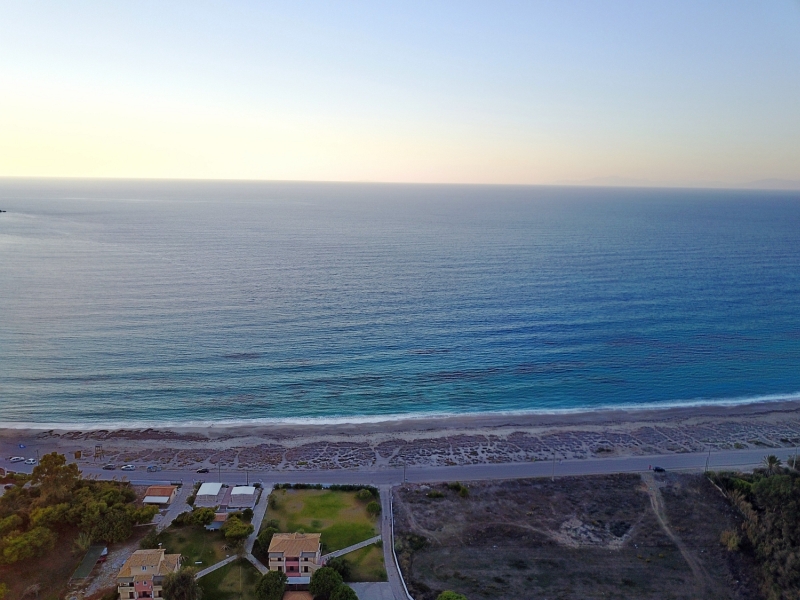
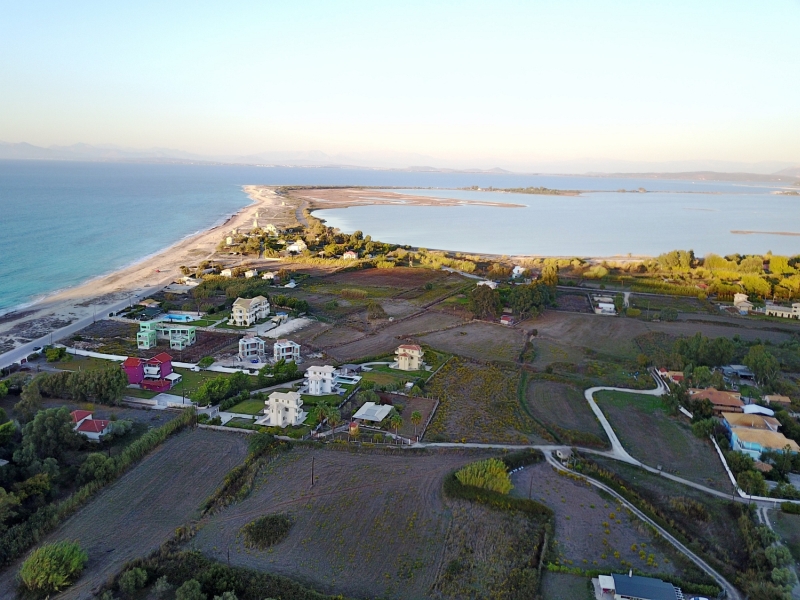
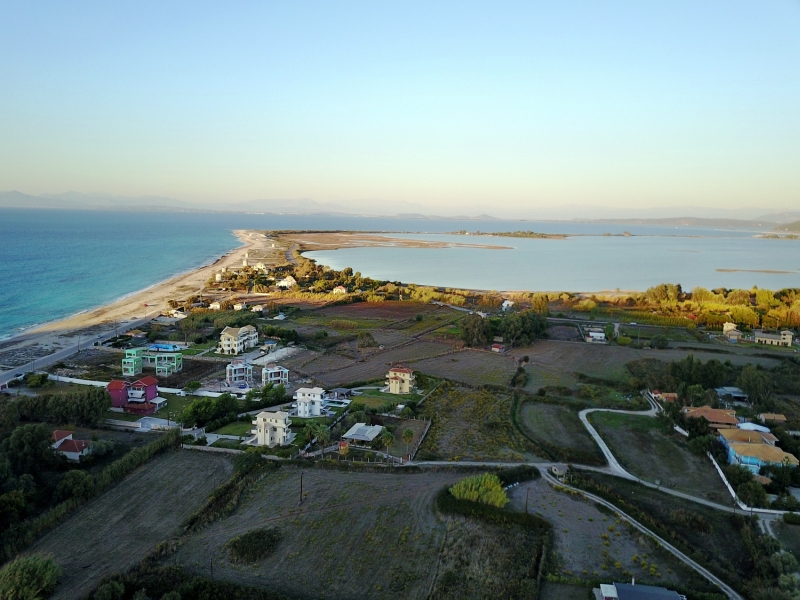
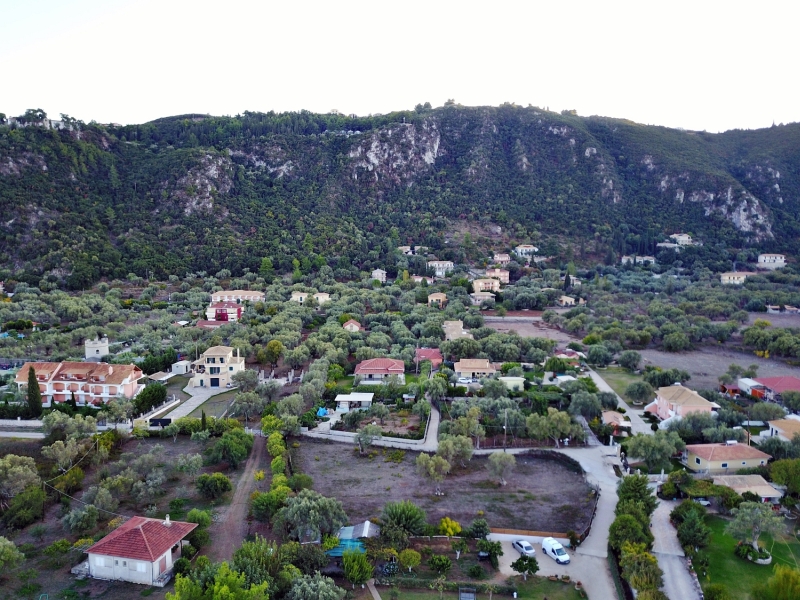
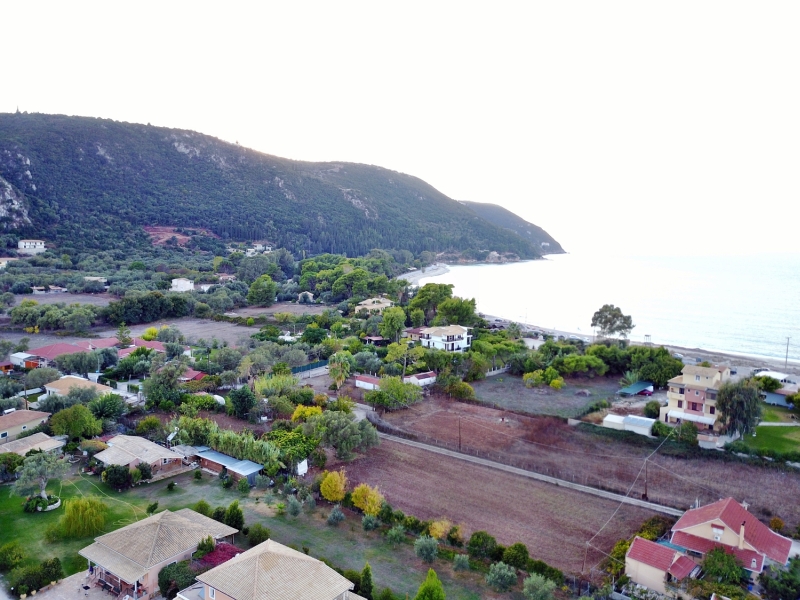
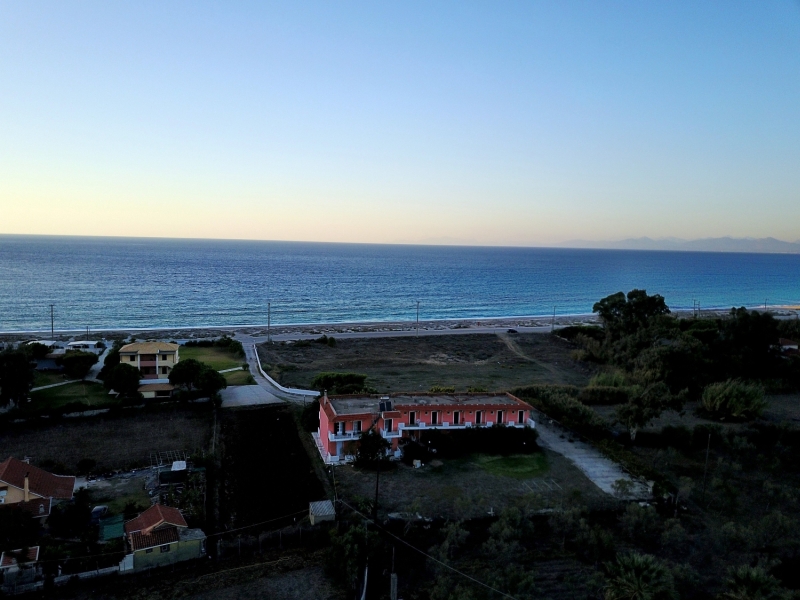
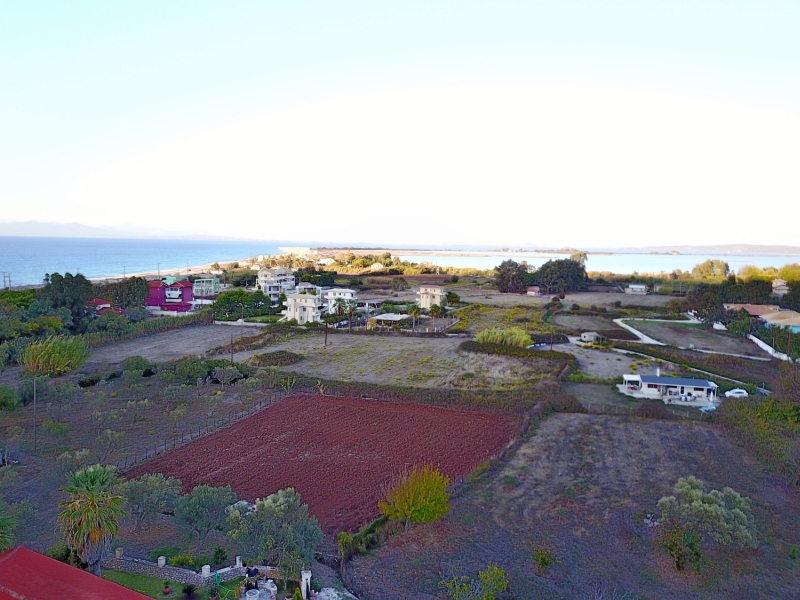
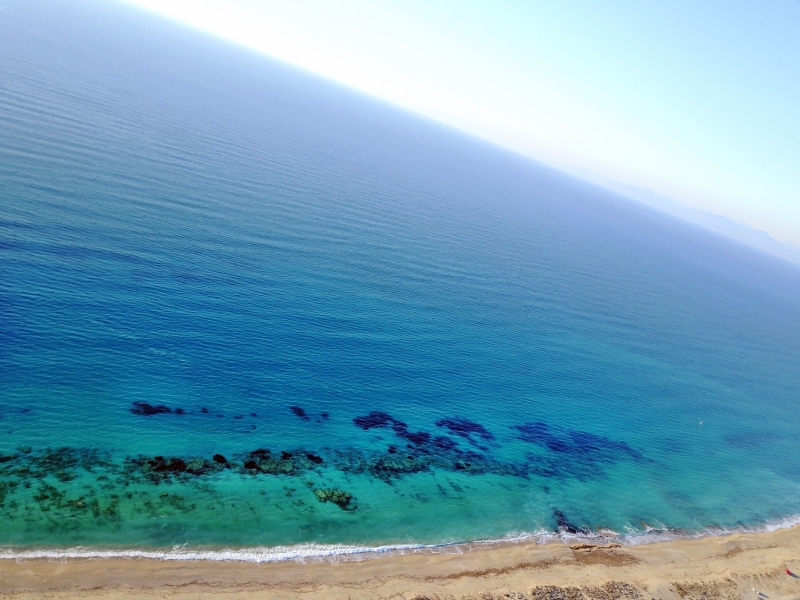
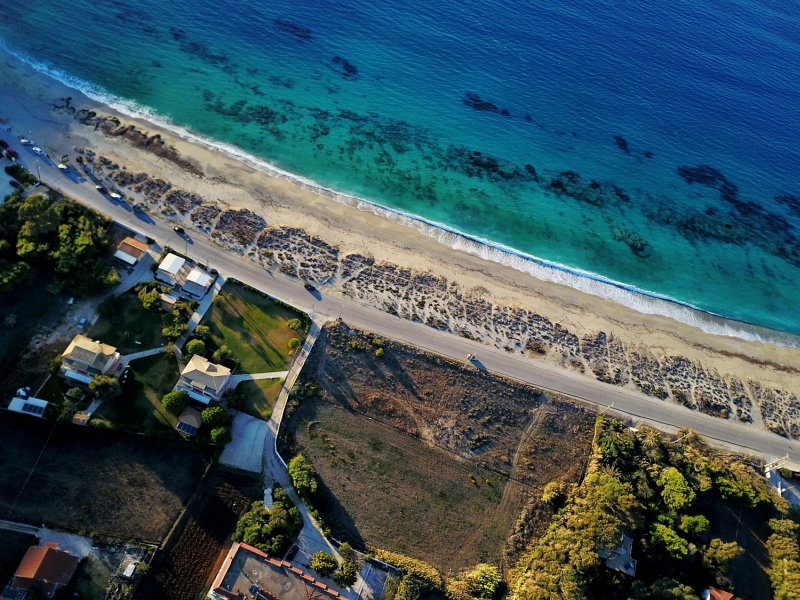
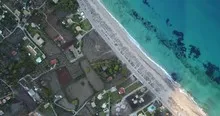
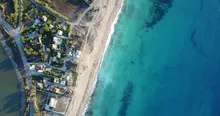
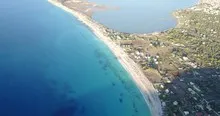
Lefkada's beaches seen from the water
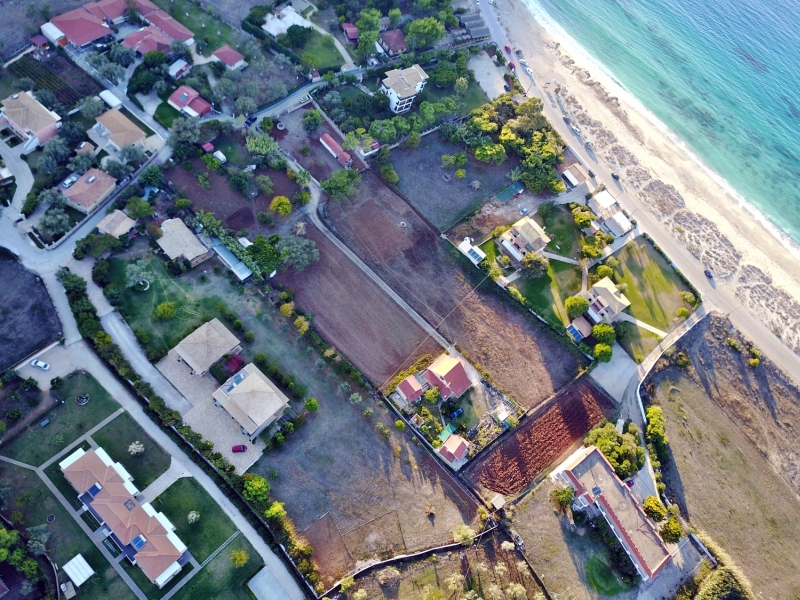
On Lefkada, the colors change from light turquoise to dark blue off the edge of the beach. On the land side, rocks and vegetation move close to the sand. The almost vertical view shows this narrow seam, while the oblique view makes the steep slopes behind it tangible.
The narrowness between rock and water
On Lefkada the rock face moves directly behind the beach. The relationship between the bright bank strip and the steep side can be seen particularly well in a photo taken from the water.
From a low angle, a beach often looks like a narrow, light fringe. The bird's eye view reveals its actual shape and shows where it widens or ends at a protrusion. In addition, connections to the hinterland emerge. The section where a path or buildings reach the beach can be particularly interesting for a townscape. There the location can be specifically named and the individual motif can be found within a longer stretch of coast.
The shape of the rock in the light
Rock surfaces are often harder to read in an aerial photograph than their sharp outline suggests. A dark area can be a deep crevice or just in shadow. The connection of several visible edges provides information. Where they converge and cover a surface, a spatial jump is understandable. A location with clear rock contours is suitable for publication with smaller images. In a larger format, the eye can wander more over the finer differences in the surface.
Light and surface of the water
On water, colors and brightness change with the direction of the light. A bright spot can be a reflection, a darker stripe can be caused by the shadow on the bank. The easiest way to describe such differences is to use a solid bank edge or an object in the water as a comparison. Two different distances are attractive for a sequence of images. The closer view shows small surface structures, while the overview makes their location in the entire water surface understandable.
The distribution of blue tones
For a direct image comparison, use shot 49 and shot 61 from the gallery with 98 aerial photos. In the first excerpt, shades of blue play a smaller role. In the second shot, blue areas take up more space. Blue can extend over a large contiguous area or only appear in individual parts. What also counts for the effect is whether these areas extend to the edge of the picture or surround the main subject.
According to camera data, shot 98 and shot 50 were taken on October 15, 2017. There is a gap of around 19 minutes between the two images. The exposure time for the first of the images mentioned was 7/4940 seconds and for the second 34/5807 seconds.
In the Aerial Videos section there are 5 clips for this article. An example is “Lefkada & Surroundings”. Its preview leads directly to the video in the aerial photographer's Adobe Stock portfolio.
Select the coastal view for a photo series
When telling a story about a coast, the order of the images counts. A further look first explains the course of the bank. A closer view can then show the transition from land to water. If an image series begins with a narrow section, readers usually need an additional location reference. The planned size is also important for the aerial photographer. A small indentation can be a clear reference point on a double page spread and almost disappear completely in a narrow column. The caption should match the actual section used.
Related motifs in the aerial photo archive
The article Koronisia offers another perspective. On the way to Koronisia, a very narrow road runs through a wide watery landscape. In the gallery Greece – Volos & Surroundings there is a different focus. In the series, the area around Volos appears as an open coastal strip and as a densely built-up city.