 F4LUFTBILDER
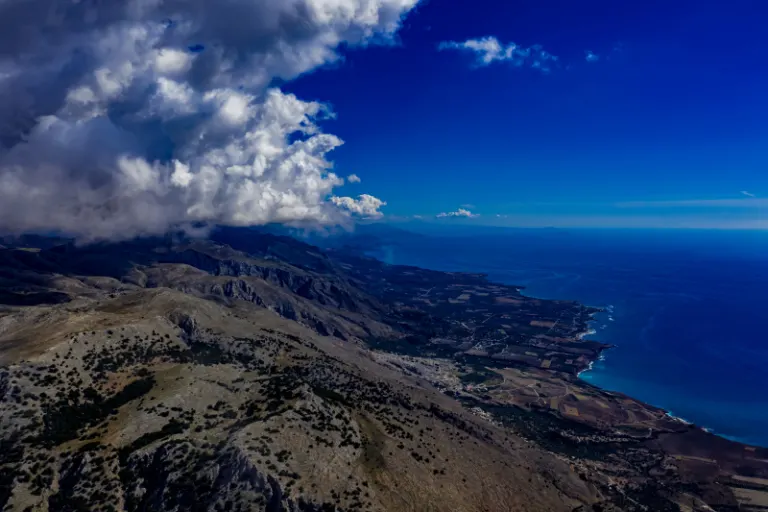


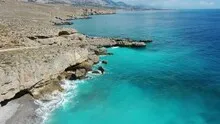
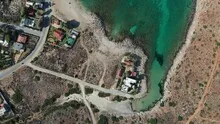
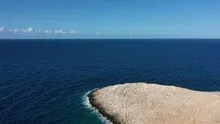
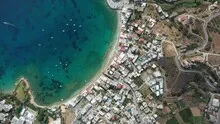
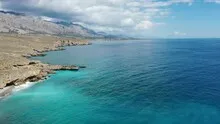
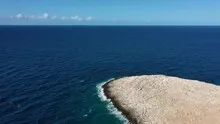
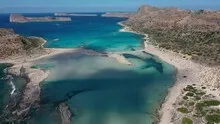
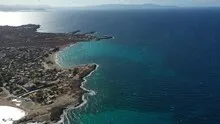
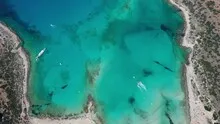
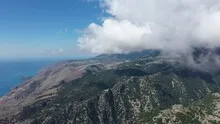
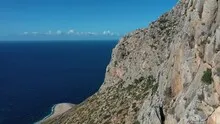
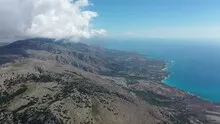
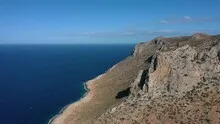
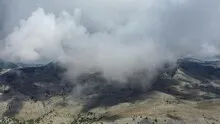
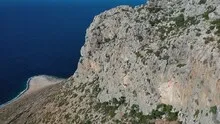
Crete's coast and steep hinterland
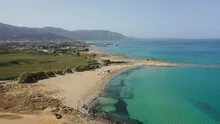
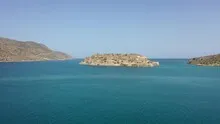
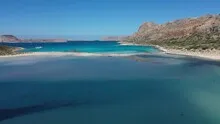
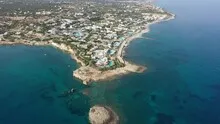
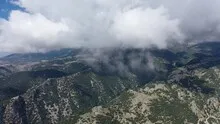
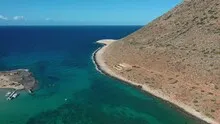
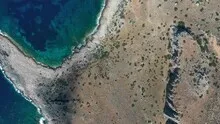
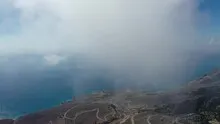
The Crete series ranges from an almost vertical view of rocky slopes to the vast coastline under clouds. Narrow paths make the distance between the sea and higher ground tangible. A pair of pictures shows how quickly the landscape on the island changes its character.
From the coastal fringe to the heights
On Crete it is worth looking for the first closed mountain line from the shore. The distance between them determines how much space remains visible for villages or open coastal areas.
From land the first thing you notice is the open water. In an aerial view, the process can be reversed and the coast can be seen from the sea. Wherever it changes direction, small protected spaces are created. Other sections extend almost straight to the edge of the picture. When selecting a motif, it is worth comparing these transitions with each other. A single, striking rocky outcrop can identify a location more clearly than a much larger expanse of water with only light and waves visible.
The graduation of the mountain ranges
The silhouette of a mountain range is a good way to start looking. First you notice the highest point, then the succession of saddles and flatter sections. In an oblique shot, this profile connects with the shapes in the foreground. A steeper perspective takes more interest in the surface of the slope. A direct comparison makes it understandable why a location can change significantly when the viewing angle changes, even though the recognizable heights in the background remain the same.
Shapes in the side light
Deep light places a bright side and a shadow side on the same shape. In this way, even small elevations gain a clear profile. However, a particularly bright area can also distract from the main subject. When selecting an image, it is helpful to briefly look at the photo in a reduced size. What first catches the eye will often be the introduction to a publication. Another crop can take advantage of the light accent while still showing enough surroundings to see the location.
The distribution of blue tones
Among the 19 photos in the gallery, shot 7 and shot 13 provide a good starting point for the comparison. In the first excerpt, shades of blue play a smaller role. In the second shot, blue areas take up more space. Blue can extend over a large contiguous area or only appear in individual parts. What also counts for the effect is whether these areas extend to the edge of the picture or surround the main subject.
The camera captured October 30, 2020 for shot 1 and shot 19. The time interval between these two views is approximately 132 minutes. ISO 100 and an exposure time of 1/500 second are recorded for both files.
For a selection of moving images, the gallery contains 23 linked clips. Below is “Anissaras on Crete from the air”. Under Aerial Videos the preview leads to the aerial photographer's respective offer at Adobe Stock.
Select the coastal view for a photo series
When telling a story about a coast, the order of the images counts. A further look first explains the course of the bank. A closer view can then show the transition from land to water. If an image series begins with a narrow section, readers usually need an additional location reference. The planned size is also important for the aerial photographer. A small indentation can be a clear reference point on a double page spread and almost disappear completely in a narrow column. The caption should match the actual section used.
More aerial photos for comparison
Two further articles invite comparison. In the first, Balos Lagoon, a different detail is in the foreground. In the Balos Lagoon, light sandy areas combine several shades of turquoise to form a wide, flat zone. Then Stavros Beach – Crete is a good option. At Stavros Beach on Crete there is a surprisingly closed area of water behind the curved beach line.
Buy now >>>