 F4LUFTBILDER
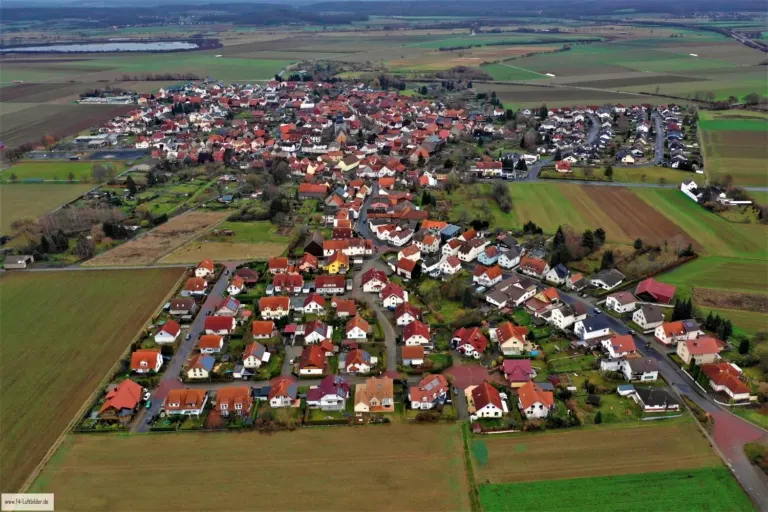
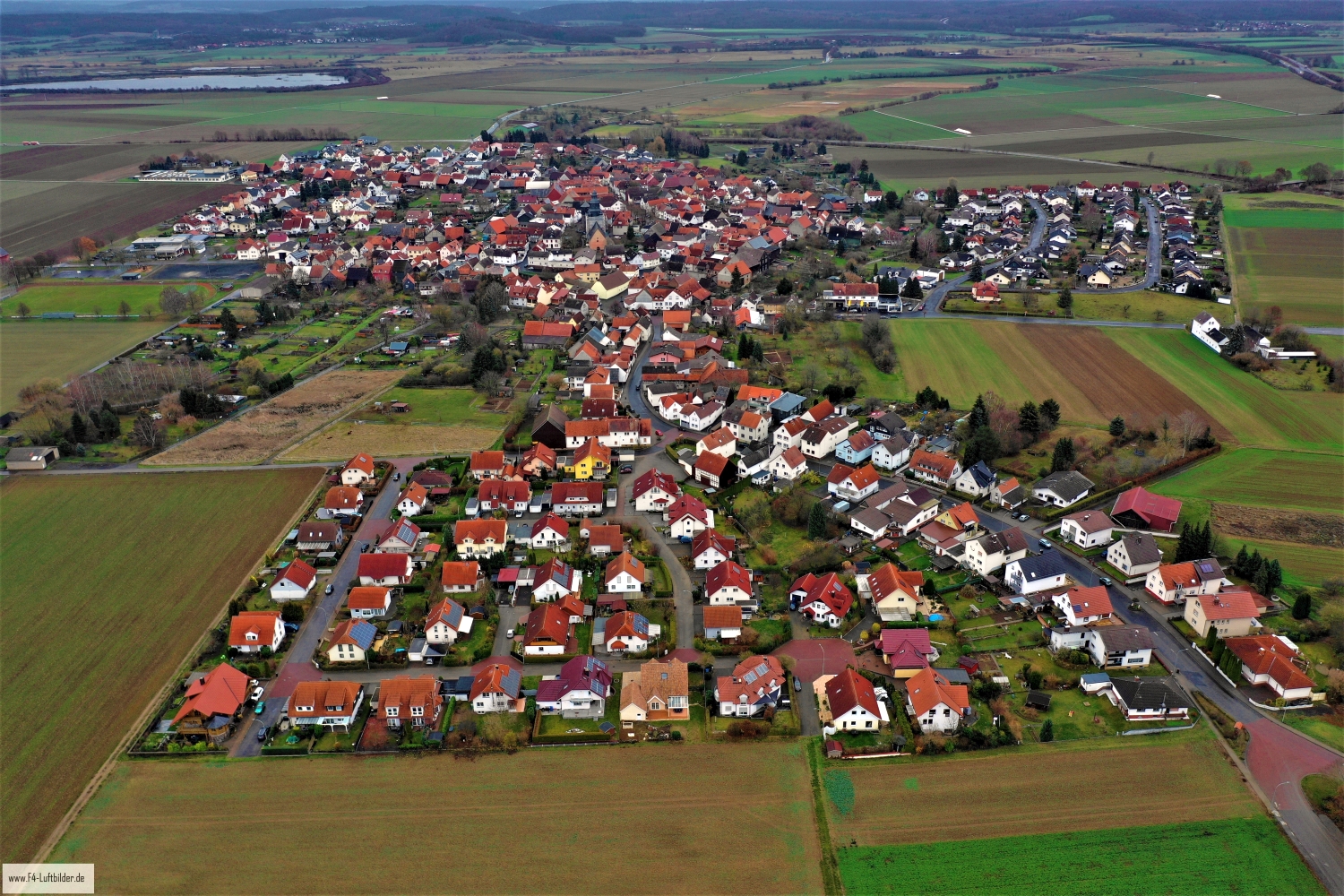
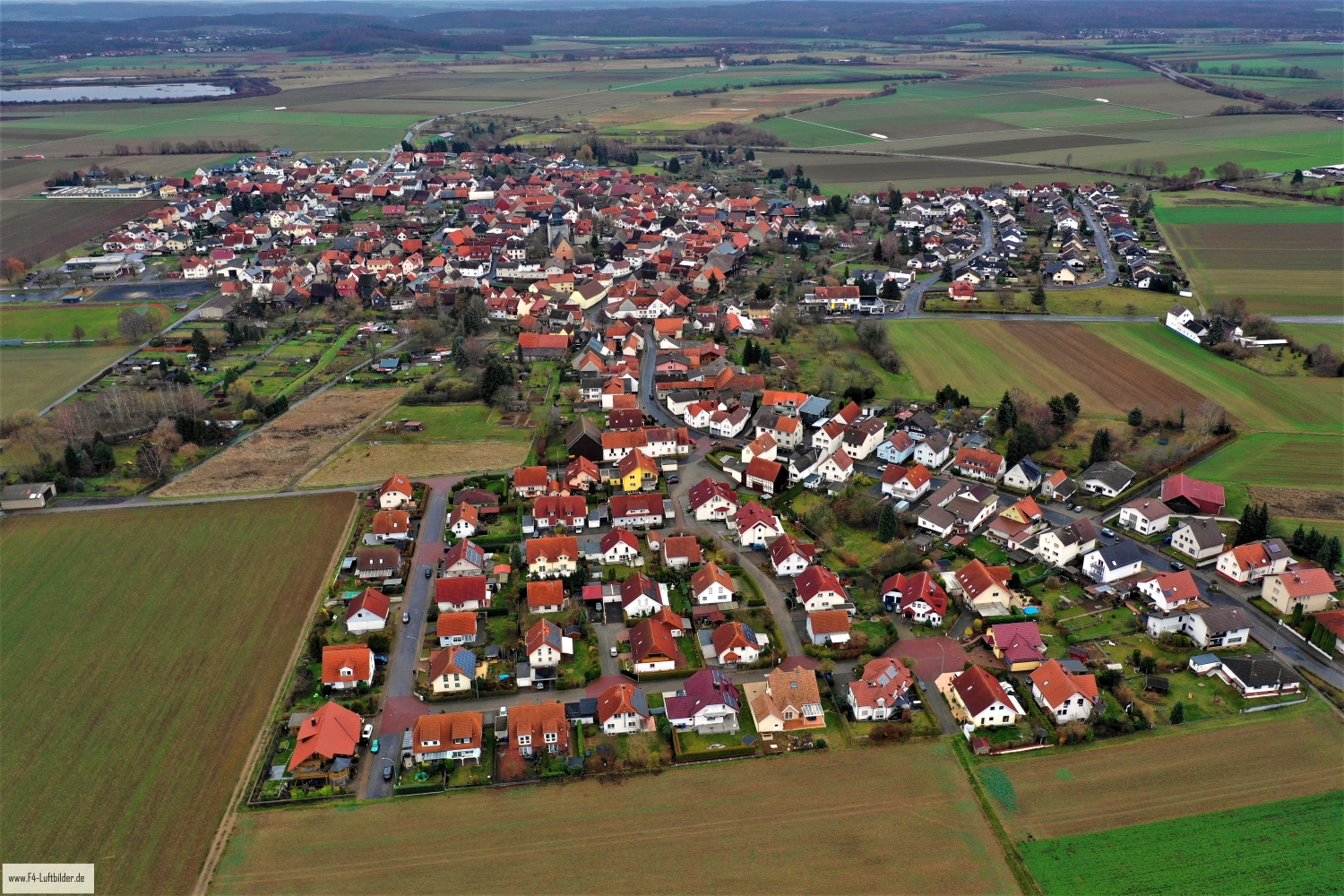
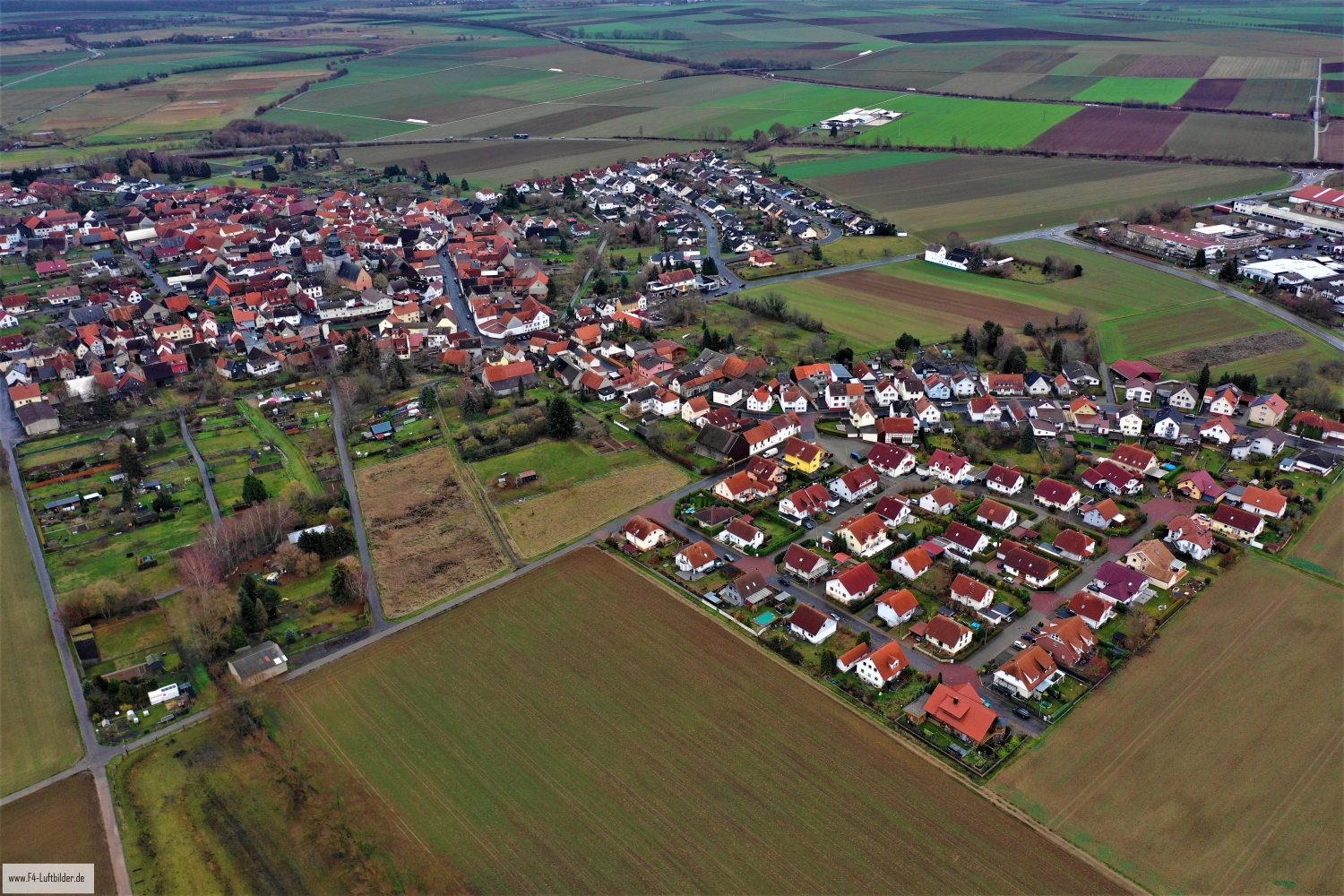
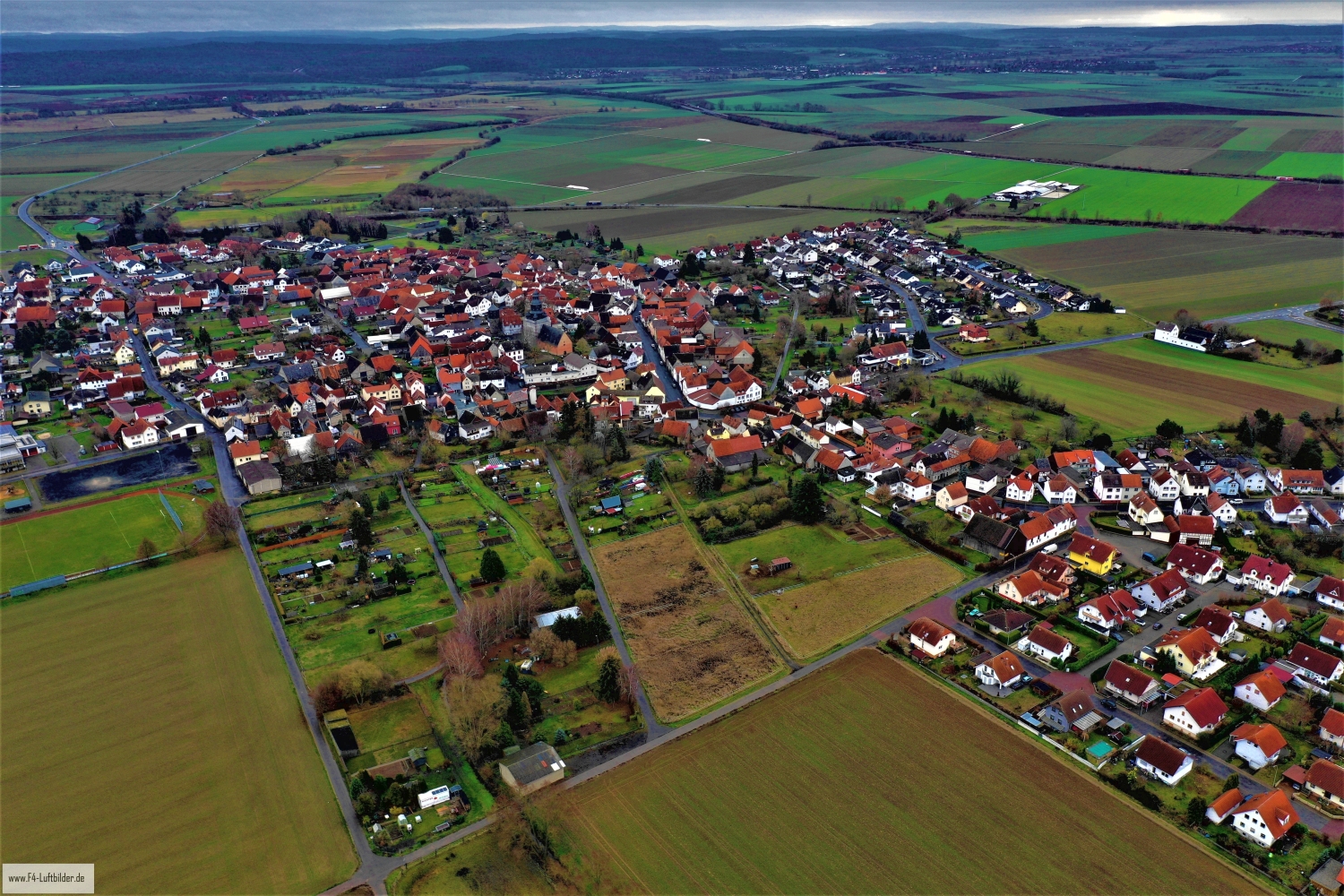
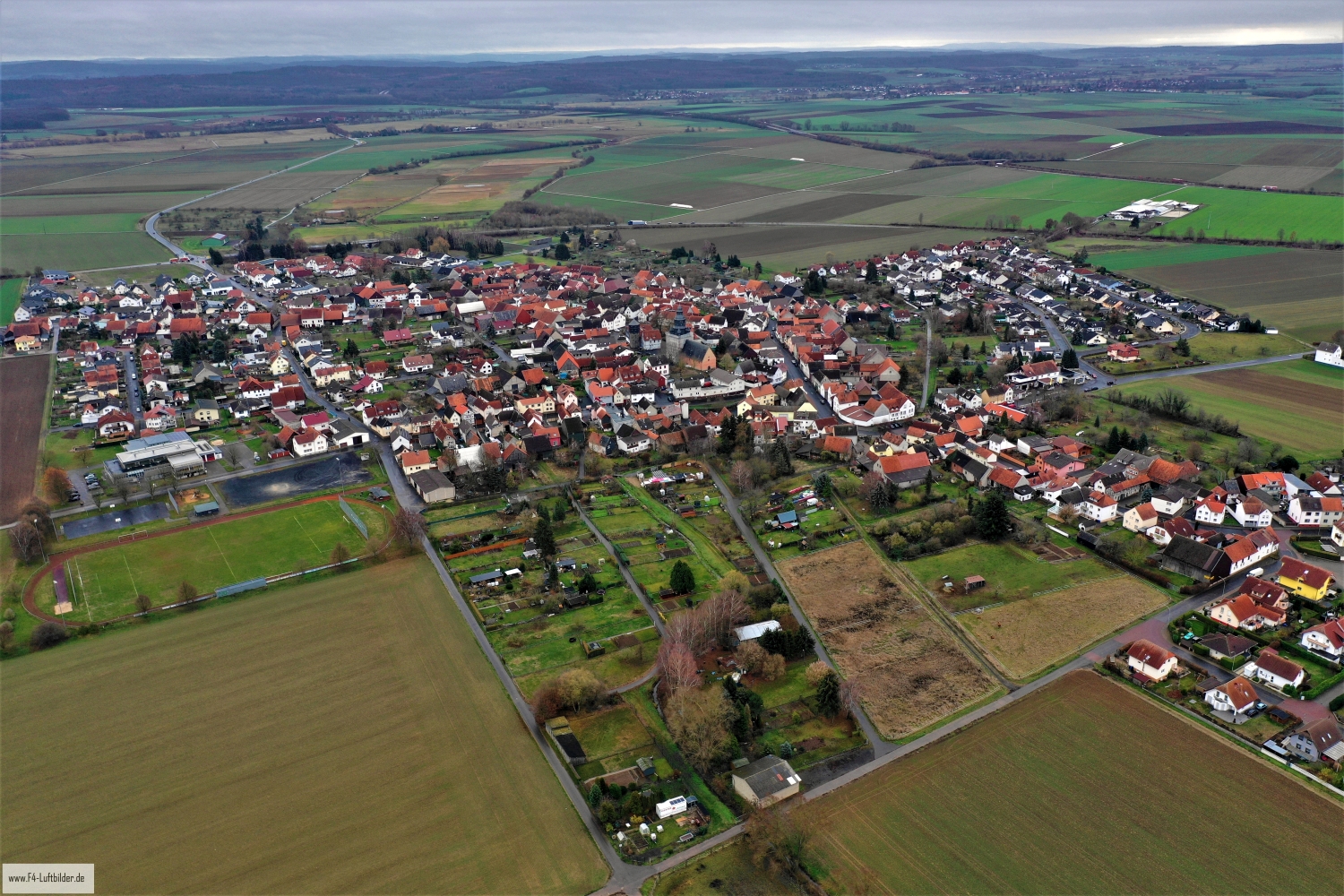
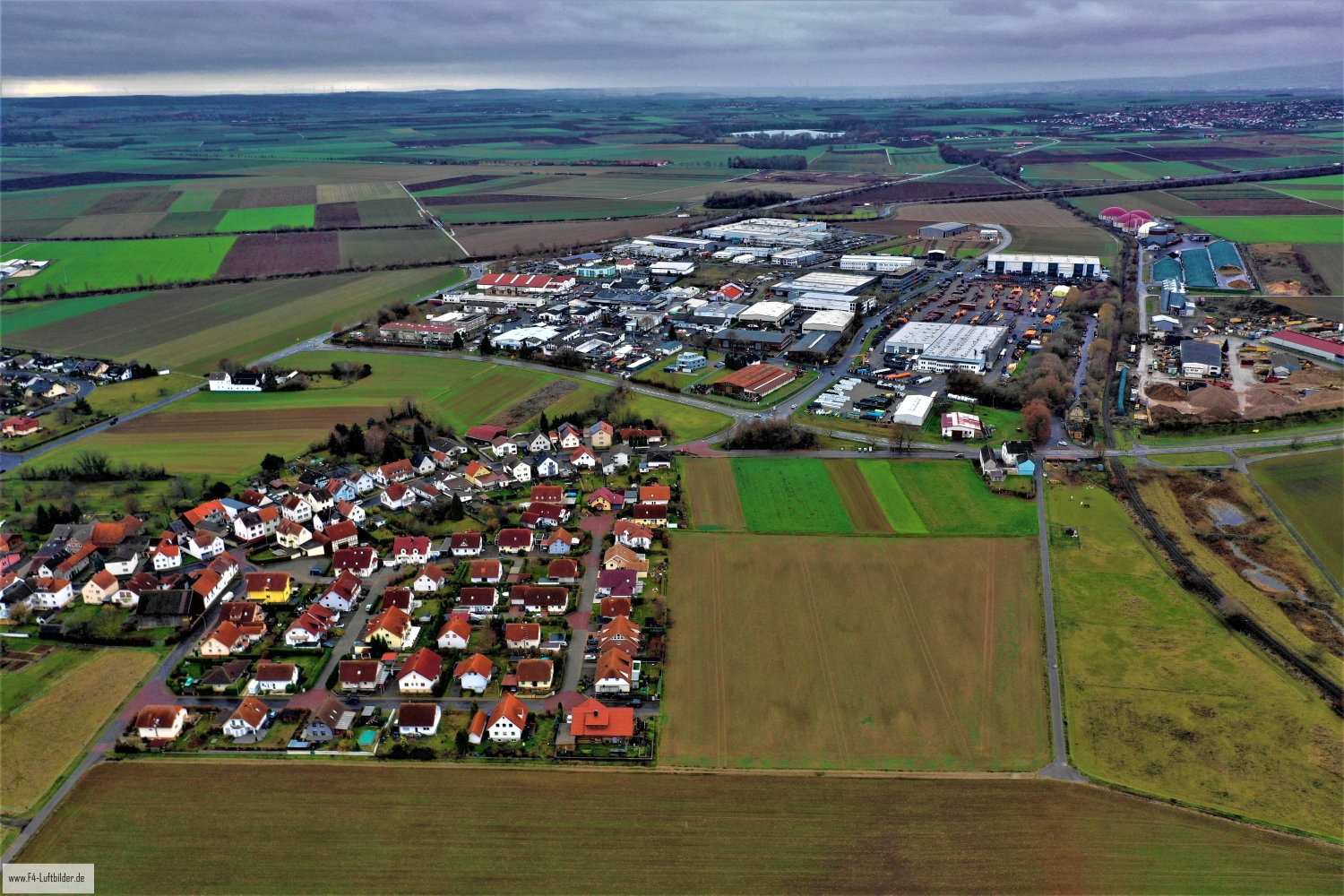
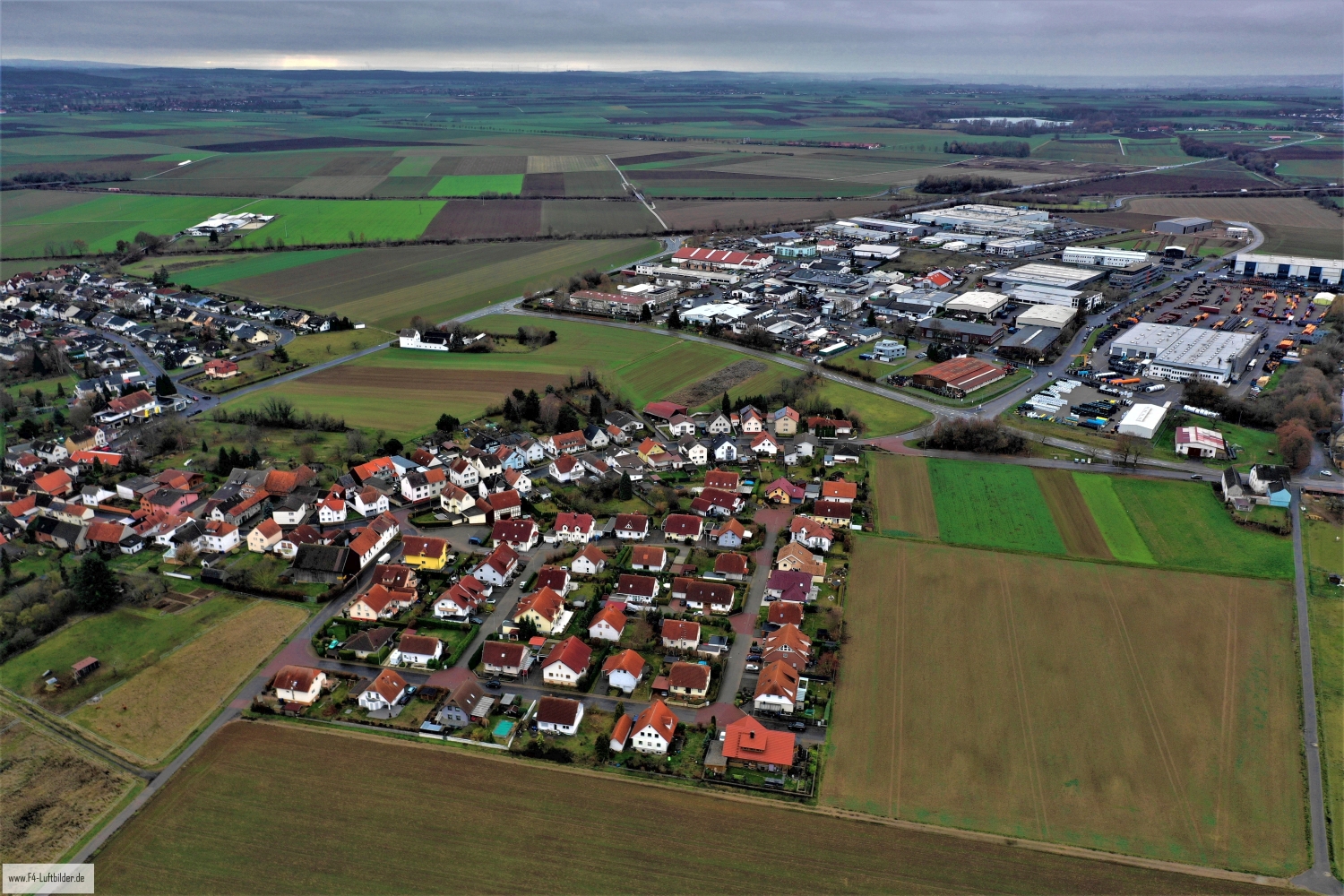
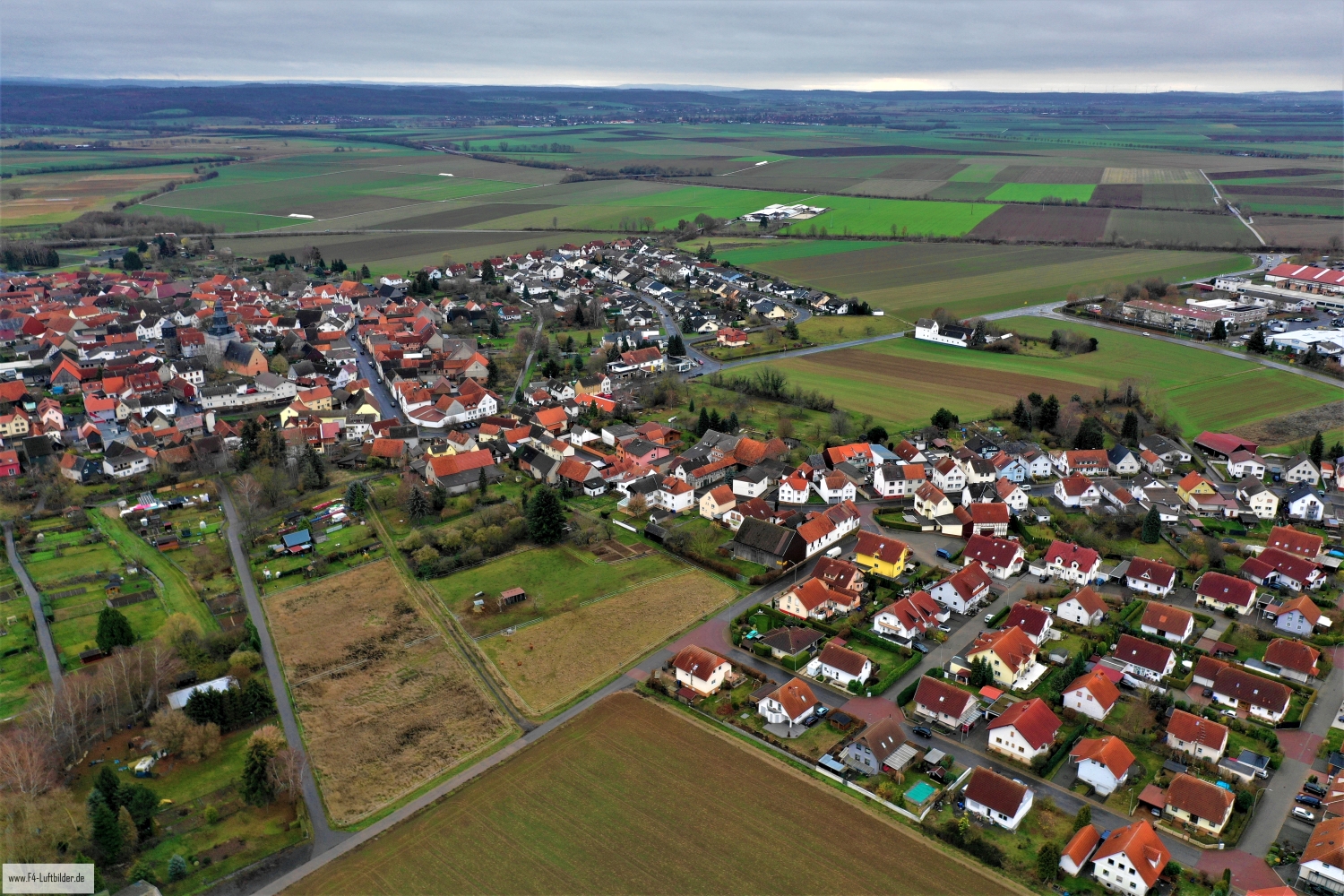
Berstadt's roofs in the Wetterau
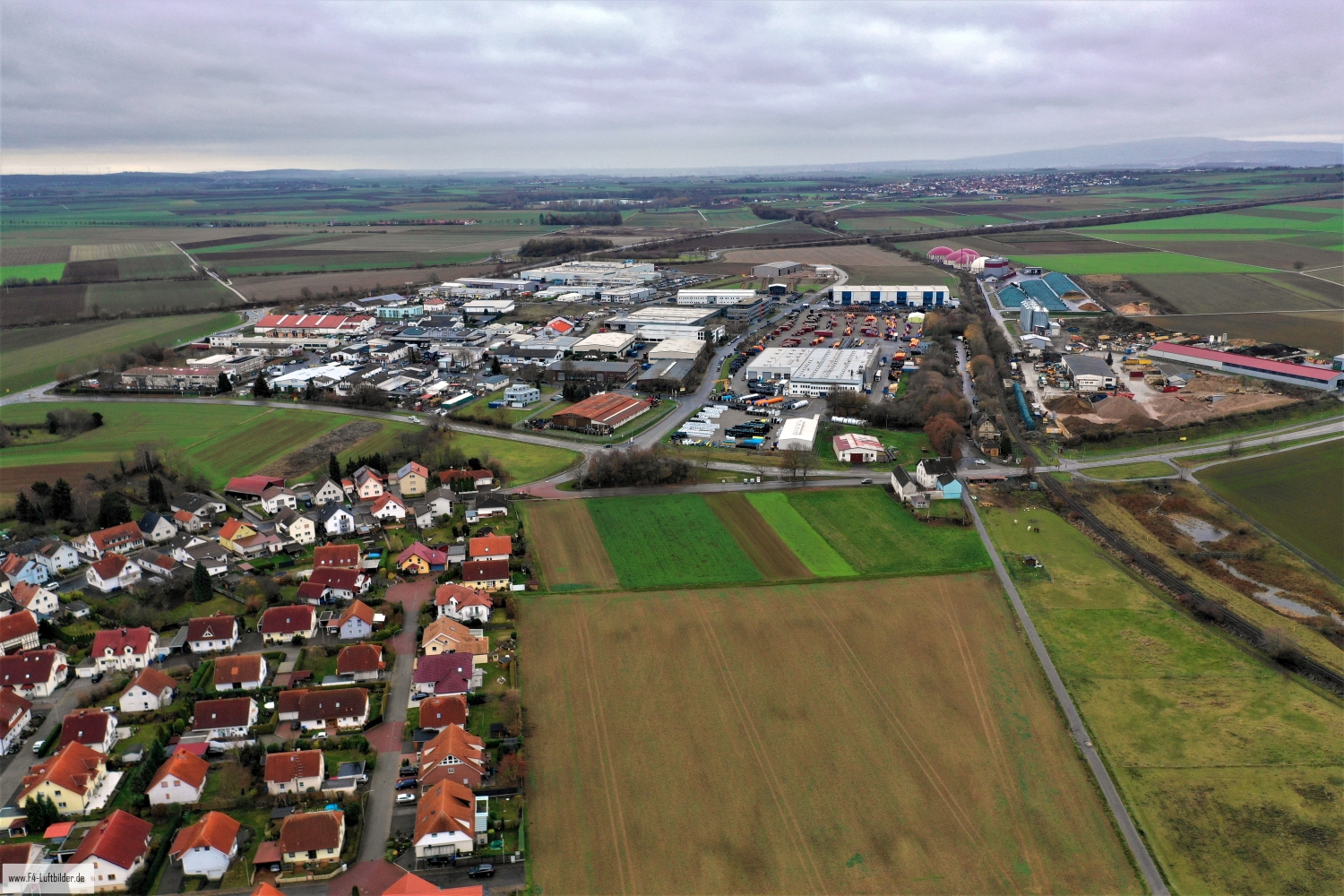
Berstadt stands out in the overview due to its densely built-up core and the longer rows of houses towards the outside. The fields take over at the edge of the picture. A photograph along the edge of town shows how little space remains between the last gardens and the cultivated plots.
Trace the shape of the village
In Berstadt, the streets that approach the town from the outside provide a recognizable direction. From the first group of houses the view can be taken all the way to the denser center. A long field edge in the foreground provides a quiet starting point.
The center of a town can often be recognized from the air by the intersection of several streets. These lines diverge towards the open landscape, the properties become longer and the distances between the houses become larger. Anyone who chooses an image for a location portrait can pay attention to these transitions. A motif with a piece of the surrounding area tells where the place is. A narrower shot, on the other hand, gives people who live or have lived here more opportunities to find familiar buildings in the picture.
What becomes visible on the edge of town
On the edge of town, several scales come together in a small section. On one side there are individual buildings with gardens and driveways. On the other hand, a single open area sometimes takes up as much space as several streets. This change can be shown in the picture over a common edge. A section in which the border between the two areas remains visible even when displayed narrowly is suitable for a website. The motif then retains its local reference even in the mobile view.
Field boundaries as a benchmark
On a map, fields become similar areas. In the aerial photo they differ in color, structure and processing direction. A bright dirt path divides two plots, a row of trees interrupts the straight lines. In such places, the size of the open hallway is better understood than by just looking at the horizon. Color changes should initially be left as an observation. Which crop is growing in a field or when it was cultivated can often only be determined from a single photo with additional local knowledge.
Light and dark areas of the image
To switch between two of the 9 aerial photos, shot 3 and shot 9 can be called up directly in the gallery. In the first photo, light and dark areas are closer together in tonal value. In the second shot the contrast is more pronounced. When switching between photos, it is worth looking from the lightest area to the dark areas. The greater the distance, the more individual contours can stand out, even in a small preview.
Shot 1 and Shot 9 are among the views from December 7, 2018. According to the camera's time information, there is about a minute between the two images. The exposure time was 1/50 second for the first of the images mentioned and 1/80 second for the second.
A townscape for chronicle and community
Anyone who wants to show their family their place of origin often first looks for their own house in the aerial photo. When publishing for the community, the task is different. Even a non-local reader should be able to easily follow the path from the core to the landscape. An aerial photographer can start from the same terrain for both purposes and choose the section differently. What counts for the family portrait is the recognizability of a specific property. When it comes to the townscape, however, it is worth adding a little more surrounding area, even if it means that the individual roof appears smaller.
Related motifs in the aerial photo archive
Two additional views can be used in the archive for comparison. The first can be found under Altenstadt. In the aerial photos of Altenstadt, the transition to open fields is clearly defined. The second belongs to the article Borsdorf. In Borsdorf the red roofs are arranged in a comparatively compact group.
Aerial photos of Berstadt
Request a quoteBerstadt – A small village in Hesse
Introduction
Berstadt is a small village in Hesse. It is located in the Marburg-Biedenkopf district in northern Hesse and has around 6,000 inhabitants. Berstadt is a small village in Hesse. It is located in the Marburg-Biedenkopf district in northern Hesse and has around 6,000 inhabitants.
Berstadt is a very idyllic village with old, partly Gothic buildings from the 12th and 13th centuries, which are still used by the people here today. The Church of St. James from 1250 is the oldest existing church in the town, but other buildings have also been very well preserved and invite you to linger. Berstadt is a very idyllic village with old, partly Gothic buildings from the 12th and 13th centuries, which are still used by the people here today. The Church of St. James from 1250 is the oldest church still in existence in the town, but other buildings have also been very well preserved and invite you to linger.
Another attraction of Berstadt is the town center with its half-timbered houses, which were supported by the craftsmanship of the citizens until the 19th century. Today these shops are mostly closed, but you can still feel that this place was once alive. The narrow streets invite you to stroll and many of the houses are decorated with flowers, which gives the whole thing a special charm.
Another attraction of Berstadt is the town center with its half-timbered houses, which date back to the 19th century. In the 19th century it was supported by the craftsmanship of the citizens. Today these shops are mostly closed, but you can still feel that this place was once lively.
Where is Berstadt?
Berstadt is located in Hesse, Germany. It is a small village with only around 300 inhabitants. Berstadt is located on the edge of the Taunus Mountains and is therefore an ideal starting point for hikes and excursions.
History of Berstadt
Berstadt is a small village in Hesse. The population is around 1,000 people. The village lies between Frankfurt and Wiesbaden. The nearest larger city is Darmstadt, which is about 30 kilometers away.
Berstadt was first mentioned in 1067 in a document from Count Konrad of Wiesbaden. At that time the village belonged to the count's domain. Over the centuries, Berstadt changed hands several times. Between the 16th and 18th centuries, the village was repeatedly affected by wars and conflicts between the various rulers.
In the 19th century, a certain level of prosperity slowly but surely began to spread in Berstadt. This was mainly due to the industrial revolution and the fact that more and more people were moving to the city to work. In the following decades, Berstadt continued to develop and grow steadily. Today it is a quiet place where people can spend their everyday lives in peace.
Sights in Berstadt
Berstadt is a small village in Hesse that has many attractions to offer. The Church of St. Laurentius is one of the oldest churches in the Hersfeld-Rotenburg district and dates back to the 12th century. The village church is quite small and has no tower, but it does have a very nice chime. Next to the church is the Zur Linde inn, where you can eat and drink excellently.
The mill on Steinberg is also well worth seeing. It was built in 1869 and is now a museum for Müller technology. The mill has three water wheels and offers a guided tour for visitors every day at 2 p.m. If you don't feel like taking the tour or don't have the time, you can simply admire the course of the Steinberger Bach or relax at the mill pond.
Berstadt is a very beautiful village with many sights. I'm sure everyone who comes here will have a great stay!
Festivals and holidays in Berstadt
Berstadt is a village in Hesse, Germany. It is known for its festivals and holidays. Every spring the May Festival takes place, a folk festival with market stalls, rides and live music. In autumn there is Thanksgiving, a festival where farmers celebrate their harvest. At Christmas the village is transformed into a winter wonderland, with Christmas markets, ice skating and ice skating.